


 Bachelet Pushes Forward With UN Secretary-General Bid Despite Chile's Withdrawal
  Asian Currencies Stay Muted as Dollar Holds Firm Amid Iran Uncertainty
  Middle East War Rattles Global Markets as Oil Tops $100 and Dollar Surges
  Kristi Noem Ends Western Hemisphere Tour in Diminished Role After DHS Firing
  Iran-Israel Missile Strikes Continue Amid Mixed Signals on U.S.-Iran Diplomacy
  U.S.-Iran Peace Talks Gain Momentum Amid Ongoing Conflict
  Bank of Japan Eyes April Rate Hike Despite Inflation Dip, ING Says
  Denmark Election 2026: Frederiksen Eyes Third Term Amid Trump-Greenland Tensions
  ICE Arrest of Guatemalan Woman at San Francisco Airport Sparks Outrage
  Denmark Election 2025: Social Democrats Suffer Historic Losses Amid Migration and Cost-of-Living Tensions
  Cuba Receives Humanitarian Aid Convoy Amid U.S. Sanctions
  Trump Backs Down on Iran Strikes After Gulf Allies Sound the Alarm
  Trump Says Iran Offered Major Energy Concession Amid Ongoing Negotiations
  Currency Markets Show Caution Amid U.S.-Iran Negotiations
  Federal Reserve Balance Sheet Reduction: Brookings Research Outlines Possible Path Forward
  Suspicious Oil Market Trades Precede Trump's Iran Peace Post by 15 Minutes
  Trump's Overhaul of American History: Museums, Monuments, and Cultural Institutions


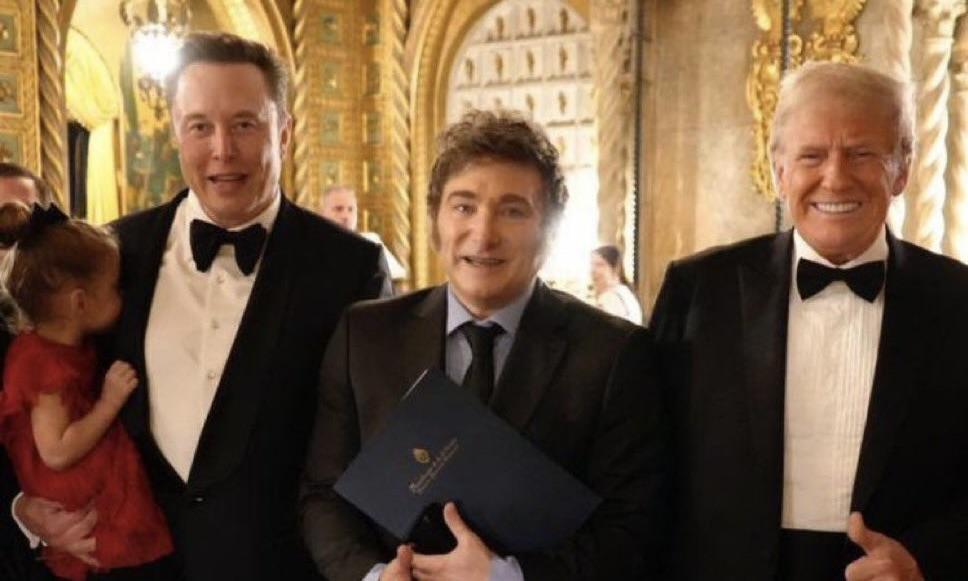
The U.S. Treasury finalized a $20 billion currency swap agreement with Argentina, marking a major step to stabilize the struggling South American economy. The move, fulfilling President Donald Trump’s promise to support Argentina, sent the peso and Argentine bonds soaring. Treasury Secretary Scott Bessent announced the measure on X, stating the U.S. was prepared to take “exceptional measures” to ensure market stability.
Following the announcement, Argentina’s 2035 bond rose 4.5 cents to 60.5 cents on the dollar, while the peso strengthened 0.8% to 1,418 per dollar. Local stocks climbed 5.3%, and Argentine shares listed in the U.S. jumped 13%. The action followed four days of meetings between Bessent and Finance Minister Luis Caputo, with participation from the International Monetary Fund (IMF), which maintains a $20 billion loan program with Argentina.
IMF Managing Director Kristalina Georgieva praised the U.S. intervention, emphasizing alignment with Argentina’s economic program centered on fiscal discipline and foreign reserve buildup. The Treasury declined to reveal details of the peso purchases or swap structure.
Bessent clarified on Fox News that the deal was not a bailout, stressing that no funds were transferred to Buenos Aires and that the Exchange Stabilization Fund (ESF) “has never lost money.” He also cited strategic U.S. benefits, including Argentina’s cooperation to reduce Chinese influence and expand U.S. investment in rare earth and uranium resources.
The backstop is also seen as a political boost for President Javier Milei ahead of Argentina’s October 26 midterm elections, where his party seeks to expand legislative power amid rising dissent over austerity. Analysts believe the U.S. support could enhance Milei’s market credibility but warned its political impact remains uncertain.
Milei thanked Trump and Bessent on X, calling the U.S. “the closest of allies.” Investors reacted positively, with analysts saying the intervention averted a potential currency collapse.
Meanwhile, U.S. Senate Democrats criticized the move, proposing a bill to block the use of the ESF for foreign bailouts. Senator Elizabeth Warren condemned Trump for “propping up a foreign government while shutting down our own.”













