


 SpaceX Mobile Network Could Cost Up to $130 Billion, Bernstein Says
  Pinterest Stock Falls as CFO Julia Brau Donnelly Resigns
  Google Expands Gemini Enterprise With AI Tools for Legal Sector
  OpenAI Data Center Chief Chris Malone Exits Ahead of Planned 2027 Listing
  HP Stock Drops 9% Despite Q3 Earnings Beat and Raised 2026 Outlook
  Luxshare Shares Rise as First-Half Profit Jumps 18%
  U.S. Disrupts China-Linked Hacking Campaign Targeting Government Agencies
  Xiaomi Unveils Xring O3 Chip for Flagship Foldable Phone
  Apple’s Phil Schiller Steps Back as Leadership Shake-Up Accelerates
  Trump Buys SpaceX Shares After Record IPO
  Nvidia Pauses AI Cloud Financing Deals Amid Antitrust Concerns
  Nvidia Reportedly Eyes $13 Billion Hugging Face Acquisition
  New Zealand Labour Backs Social Media Ban for Under-16s
  South Korea Unveils Record $597 Billion 2027 Budget to Boost AI and Chips
  Faraday Future Delivers First Robots in Middle East, Plans September Launches
  BofA Names ASML Top Semiconductor Equipment Pick on Growth, Valuation


 Add as a preferred source on Google
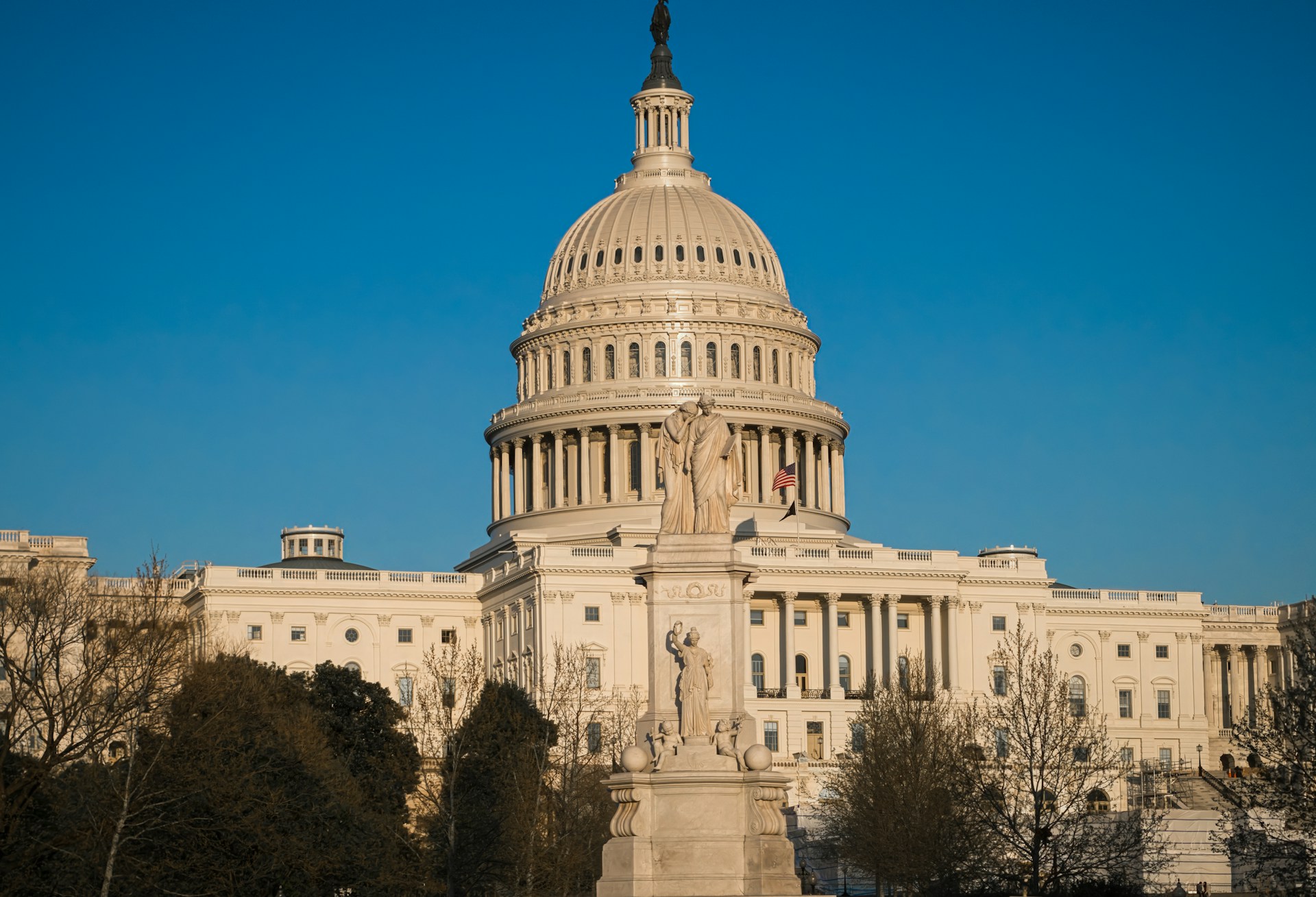
When big pharmaceutical companies are confronted with their exorbitant prescription drug pricing in the United States, they frequently resort to two well-worn arguments: one, that the high drug prices cover the costs of researching and developing new drugs, which is a risky and expensive endeavor, and two, that middle managers—specifically, pharmacy benefit managers (PBMs)—are the ones price gouging American consumers.
Senate Committee Challenges Pharma on Pricing, Exposing Executive Pay and Monopoly Practices
Both of these arguments were dealt significant blows in a hearing Thursday by the Senate Committee on Health, Education, Labor, and Pensions, led by Sen. Bernie Sanders (I-VT). According to Sanders, pharmaceutical corporations spend billions of dollars more on excessive executive remuneration, dividends, and stock buybacks than they do on research and development (R&D) for new treatments.
"In other words, these companies are spending more to enrich their own stockholders and CEOs than they are in finding new cures and new treatments," he said. While PBMs undoubtedly contribute to America's especially high medication prices, their profits account for only a small portion of the huge drug industry, according to Sanders and an expert panelist.
PBMs serve as covert middlemen between drugmakers, insurers, and pharmacies, determining medication formularies and consumer costs while negotiating rebates and discounts behind the scenes. Though PBM tactics increase overall expenses, they pale in comparison to pharmaceutical revenues.
According to a Senate report released earlier this week, the root of the problem is pharmaceutical greed, patent gaming that allows drug companies to extend their monopolies, and aggressive lobbying.
On Thursday, the Senate committee convened the CEOs of three major pharmaceutical corporations to interrogate them about medication pricing practices: Robert Davis of Merck, Joaquin Duato of Johnson & Johnson, and Chris Boerner of Bristol-Myers Squibb.
"We are aware of the many important lifesaving drugs that your companies have produced, and that's extraordinarily important," Sanders said before questioning the CEOs. "But, I think, as all of you know, those drugs mean nothing to anybody who cannot afford it."
Sky-High U.S. Drug Prices Under Scrutiny: Senate Report Highlights Alarming Cost Disparities
Sanders described medicine prices in the United States as "outrageous," saying that Americans spend the most money on prescription drugs in the world.
According to a report released this month by the U.S. Department of Health and Human Services, prices in the U.S. for all brand-name and generic pharmaceuticals will be about three times higher in 2022 than in 33 other wealthy countries. This indicates that Americans paid $2.78 for each dollar spent on prescription medications in other nations. And the gap is widening over time.
The Senate report, which focused on medications from the three corporations represented at the hearing (J&J, Merck, and Bristol Myers Squibb), examined how the initial pricing for new drugs entering the U.S. market has soared over the last two decades.
The investigation discovered that from 2004 to 2008, the median launch price of novel prescription medications supplied by J&J, Merck, and Bristol Myers Squibb exceeded $14,000. However, the median launch price exceeded $238,000 over the last five years. These figures account for inflation.
The report concentrated on high-profit medications from each of the drug manufacturers.
Merck's cancer medicine, Keytruda, costs $191,000 per year in the United States but only $91,000 in France and $44,000 in Japan. J&J's HIV medicine, Symtuza, costs $56,000 in the United States but only $14,000 in Canada. Bristol Myers Squibb's Eliquis, used to prevent strokes, costs $7,100 in the United States, $760 in the United Kingdom, and $900 in Canada.
Sanders asked Bristol Myers Squibb CEO Boerner if the company would "reduce the list price of Eliquis in the United States to the price that you charge in Canada, where you make a profit?" Boerner said, "We can't make that commitment primarily because the prices in these two countries have very different systems."
Before the hearing, the powerful pharmaceutical trade group PhRMA wrote on its blog that comparing U.S. drug pricing to prices in other countries "hurts patients." The group stated that Americans enjoy more and faster access to drugs than individuals in other nations.
Photo: Obi - @pixel8propix/Unsplash







