


 Japan Election 2026: Sanae Takaichi Poised for Landslide Win Despite Record Snowfall
  Missouri Judge Dismisses Lawsuit Challenging Starbucks’ Diversity and Inclusion Policies
  U.S. to Begin Paying UN Dues as Financial Crisis Spurs Push for Reforms
  Netanyahu to Meet Trump in Washington as Iran Nuclear Talks Intensify
  US Pushes Ukraine-Russia Peace Talks Before Summer Amid Escalating Attacks
  Trump Allegedly Sought Airport, Penn Station Renaming in Exchange for Hudson River Tunnel Funding
  Trump Endorses Japan’s Sanae Takaichi Ahead of Crucial Election Amid Market and China Tensions
  Nighttime Shelling Causes Serious Damage in Russia’s Belgorod Region Near Ukraine Border
  TrumpRx Website Launches to Offer Discounted Prescription Drugs for Cash-Paying Americans
  New York Legalizes Medical Aid in Dying for Terminally Ill Patients
  South Korea Assures U.S. on Trade Deal Commitments Amid Tariff Concerns
  U.S. Announces Additional $6 Million in Humanitarian Aid to Cuba Amid Oil Sanctions and Fuel Shortages
  TrumpRx.gov Highlights GLP-1 Drug Discounts but Offers Limited Savings for Most Americans
  Trump Signs Executive Order Threatening 25% Tariffs on Countries Trading With Iran
  Ohio Man Indicted for Alleged Threat Against Vice President JD Vance, Faces Additional Federal Charges
  U.S. Lawmakers to Review Unredacted Jeffrey Epstein DOJ Files Starting Monday
  India–U.S. Interim Trade Pact Cuts Auto Tariffs but Leaves Tesla Out


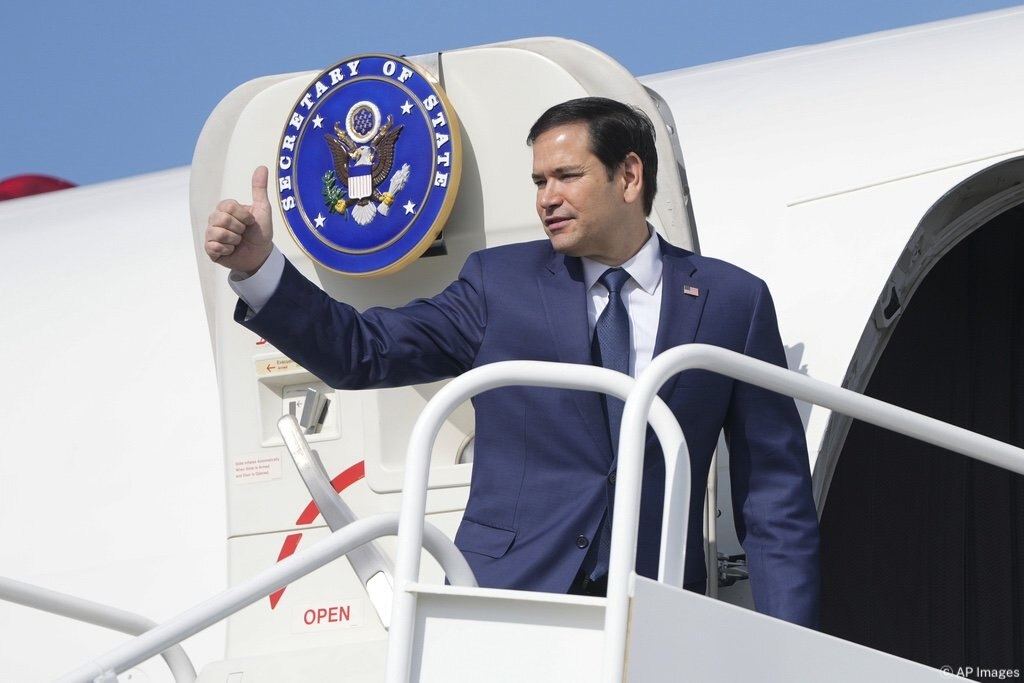
U.S. Secretary of State Marco Rubio said the United States is moving quickly to establish a new governance framework for Gaza, signaling a major shift in post-war planning for the Palestinian enclave. Speaking at a year-end press conference, Rubio said Washington views the current situation in Gaza as unsustainable and is working to cement a fragile ceasefire following Israel’s ongoing conflict with Hamas.
Rubio outlined a multi-phase plan that would begin with the creation of an international “Board of Peace” alongside a Palestinian technocratic authority made up of non-partisan experts. This governing structure would be followed by the deployment of an International Stabilization Force (ISF), consisting of foreign troops, to help maintain security on the ground. The initiative aims to prevent a return to violence and lay the groundwork for long-term stability in Gaza.
According to Rubio, progress has already been made in identifying Palestinian professionals to join the technocratic governing body. While he did not offer a specific timeline, he said the U.S. expects the new governance institutions to be established “very soon.” His remarks came shortly after U.S. Central Command hosted a multinational planning conference in Doha focused on the ISF.
Reuters previously reported that international troops could be deployed to Gaza as early as next month, following a United Nations Security Council vote in November authorizing the stabilization force. However, significant questions remain unresolved, including how Hamas would be disarmed and what the precise mandate and funding structure of the ISF would be.
Rubio acknowledged that potential troop-contributing nations are seeking clarity before making firm commitments. He expressed confidence, however, that several countries acceptable to all parties are prepared to participate, noting that Pakistan has shown interest.
Establishing credible governance and security is essential to attracting international donors for Gaza’s reconstruction, Rubio said. Without stability, he argued, nations will be reluctant to pledge billions of dollars for rebuilding efforts that could be destroyed by renewed conflict.













