


 U.S.-India Trade Framework Signals Major Shift in Tariffs, Energy, and Supply Chains
  U.S. Announces Additional $6 Million in Humanitarian Aid to Cuba Amid Oil Sanctions and Fuel Shortages
  Trump Lifts 25% Tariff on Indian Goods in Strategic U.S.–India Trade and Energy Deal
  Trump Backs Nexstar–Tegna Merger Amid Shifting U.S. Media Landscape
  Trump Says “Very Good Talks” Underway on Russia-Ukraine War as Peace Efforts Continue
  Trump Allegedly Sought Airport, Penn Station Renaming in Exchange for Hudson River Tunnel Funding
  U.S. to Begin Paying UN Dues as Financial Crisis Spurs Push for Reforms
  Trump’s Inflation Claims Clash With Voters’ Cost-of-Living Reality
  Nighttime Shelling Causes Serious Damage in Russia’s Belgorod Region Near Ukraine Border
  U.S. Lawmakers to Review Unredacted Jeffrey Epstein DOJ Files Starting Monday
  TrumpRx.gov Highlights GLP-1 Drug Discounts but Offers Limited Savings for Most Americans
  Norway Opens Corruption Probe Into Former PM and Nobel Committee Chair Thorbjoern Jagland Over Epstein Links
  Trump Endorses Japan’s Sanae Takaichi Ahead of Crucial Election Amid Market and China Tensions
  Japan Election 2026: Sanae Takaichi Poised for Landslide Win Despite Record Snowfall
  Iran–U.S. Nuclear Talks in Oman Face Major Hurdles Amid Rising Regional Tensions
  Pentagon Ends Military Education Programs With Harvard University
  TrumpRx Website Launches to Offer Discounted Prescription Drugs for Cash-Paying Americans


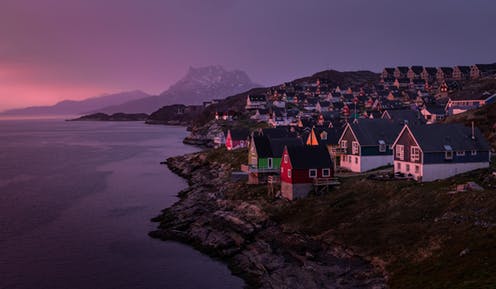
U.S. Treasury Secretary Scott Bessent sparked controversy after arguing that perceived European “weakness” makes U.S. control of Greenland necessary for global stability, intensifying debate over the Trump administration’s interest in acquiring the Arctic territory from Denmark. His remarks, delivered on NBC’s Meet the Press, come amid rising tensions between Washington and European Union allies over potential tariffs and national security concerns.
Bessent framed Greenland as a critical piece in a broader geopolitical competition with Russia and China, emphasizing U.S. strength versus European hesitation. He suggested that despite current opposition, European leaders would eventually accept that U.S. ownership of Greenland would benefit all parties involved, including Europe and Greenland itself. These comments followed President Donald Trump’s statement that he would consider imposing tariffs on EU countries, including Denmark, if they resist a U.S. acquisition effort.
The proposal has triggered bipartisan pushback in Congress. Senator Rand Paul, a Republican from Kentucky and chair of the Senate Homeland Security Committee, dismissed the idea of invoking emergency powers or force to take Greenland, calling it unreasonable given the absence of any immediate crisis. Democratic Senator Tim Kaine of Virginia echoed concerns, noting that Congress could move to limit presidential war powers or challenge the administration’s tariff strategy.
Other lawmakers warned of diplomatic fallout. Republican Representative Mike Turner of Ohio cautioned that aggressive tariff threats could strain relationships with NATO allies, while Senator John Cornyn of Texas defended Trump’s approach as a negotiating tactic designed to gain leverage.
Greenland’s natural resources have also become a focal point in the debate. Senator Ted Cruz highlighted the island’s mineral wealth and strategic Arctic location as major economic and security advantages for the United States. In contrast, Democratic Senator Chris Van Hollen accused Trump of overstating security risks and pursuing Greenland primarily for its resources rather than genuine national defense needs.
As the Greenland acquisition debate continues, it underscores growing divisions in Washington over U.S. foreign policy, trade strategy, and relations with long-standing European allies, while raising broader questions about Arctic geopolitics and global stability.













