


 NATO Commander Joins US Review of Troop Deployments in Europe
  US-China Talks Target AI, Tariffs Ahead of Trump-Xi Summit
  Trump Plans Federal AI Force and AI Czar
  United Russia Leads Russia Election as Ukraine Drones Hit Moscow
  Trump Plans Military Complex Inside Washington Triumphal Arch
  White House Bars CNN, MS NOW and Politico Reporters
  Bessent Presses Japan on Fiscal Policy as Yen Struggles
  Bessent, He Lifeng to Discuss AI Security and Trade in New York
  North Korea Fires Two Ballistic Missiles From Wonsan
  AfD Wins German State Election as Merz’s CDU Hits Historic Low
  ICE Officer Shoots Man in Austin, Sparking Calls for Independent Probe
  Canada, France Strengthen Space and Defense Ties Amid Global Threats
  Mexico Pushes for US Trade Deal Before Midterms
  Trump-Xi Summit Puts Trade Truce and Taiwan in Focus
  Russian Attack on Balakliia Kills Two, Injures Two
  Diana’s Brother Backs Security for Harry and Meghan


 Add as a preferred source on Google
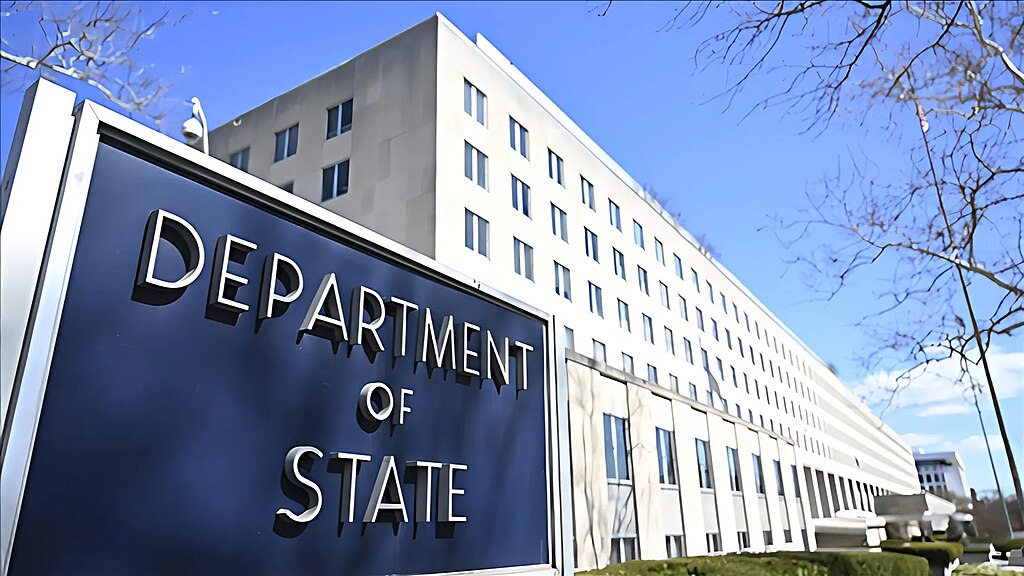
The United States has launched the first humanitarian aid flight to Cuba under a newly announced $100 million assistance initiative, marking a significant step in Washington’s effort to provide direct relief to the Cuban people while maintaining pressure on the island’s communist government.
The U.S. State Department confirmed that the flight departed on Tuesday carrying food supplies and hygiene kits intended to support up to 700 Cuban families. The aid is being distributed through Catholic Relief Services, with local parish representatives overseeing deliveries to help ensure the assistance reaches those in need without interference from government authorities.
The humanitarian shipment follows an earlier $9 million U.S. assistance program delivered through the Catholic Church. According to the State Department, the distribution model has proven effective in preventing diversion of aid while ensuring essential supplies reach vulnerable communities across the island.
Secretary of State Marco Rubio first announced the unprecedented aid package in May, describing it as a humanitarian effort focused on helping ordinary Cubans rather than supporting the Cuban government. The initiative comes even as the Trump administration continues to tighten economic pressure on Havana through expanded financial sanctions and restrictions on most oil shipments to the Caribbean nation.
Cuban officials initially expressed skepticism about the U.S. proposal and rejected Washington’s calls for political reforms. Havana has repeatedly blamed U.S. sanctions for worsening power outages, fuel shortages, and broader economic hardships affecting the country.
However, following discussions with Trump administration officials, Cuban authorities appear to have agreed to accept the humanitarian assistance, signaling a limited area of cooperation despite ongoing political tensions between the two countries.
The aid program reflects Washington’s dual-track approach toward Cuba—maintaining economic and diplomatic pressure on the government while expanding humanitarian support for Cuban citizens. U.S. officials said future assistance under the $100 million commitment will continue to prioritize transparent distribution channels to ensure aid directly benefits families facing severe economic challenges.







