


 Trump Administration Plans New Drug Pricing Deals With Biotech Firms
  Nvidia Revenue Soars 106% as AI Demand Hits ‘Inflection Point’
  Unitree Shares Plunge 45% After Blockbuster IPO, Raising China Tech Bubble Fears
  Pinterest Stock Falls as CFO Julia Brau Donnelly Resigns
  US Military Uses Laser to Shoot Down Cartel Drones at Mexico Border
  Pentagon Eyes 100-Year Lease on Venezuela Oil Fields
  Judge Rejects Minnesota Bid to Force ICE Agent Extradition
  OpenAI Data Center Chief Chris Malone Exits Ahead of Planned 2027 Listing
  Toyota Global Sales Fall as China Demand Slumps
  BofA Names ASML Top Semiconductor Equipment Pick on Growth, Valuation
  PayPal Shares Sink as $50 Billion Takeover Bid Collapses
  U.S. Disrupts China-Linked Hacking Campaign Targeting Government Agencies
  Mercer International Stock Surges 45% on C$20 Million Canada Funding
  SK Hynix Shares Fall as Workers Reject Wage Deal
  Meta, U.S. States Discuss Settlement in Teen Addiction Trial
  Nvidia Pauses AI Cloud Financing Deals Amid Antitrust Concerns


 Add as a preferred source on Google
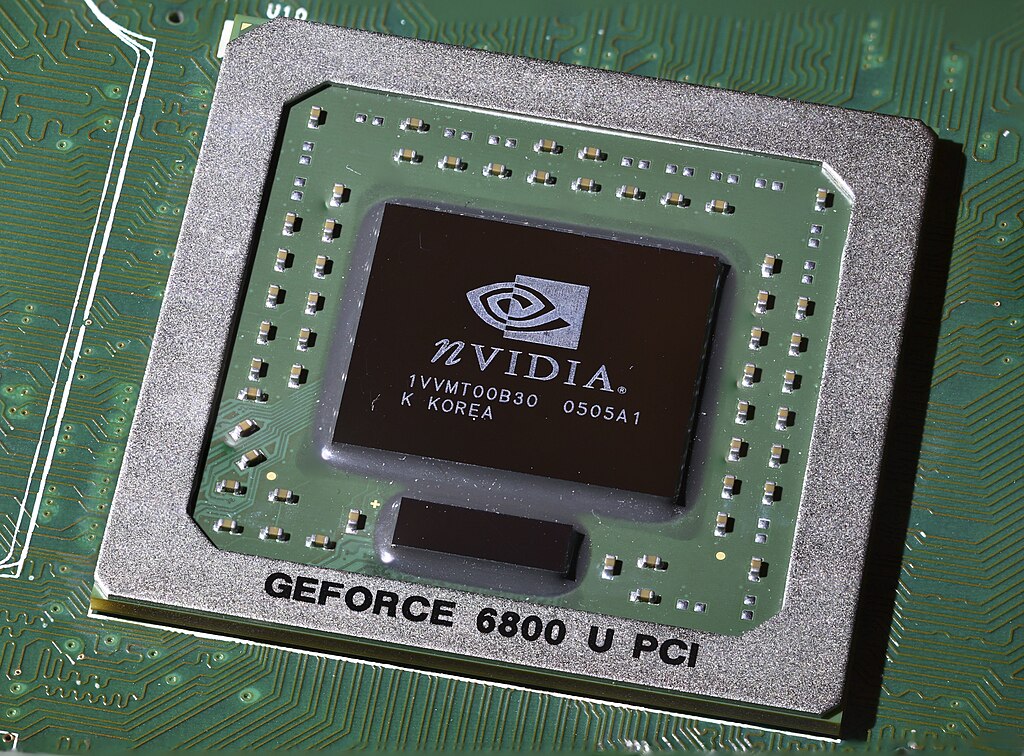
The Trump administration is weighing whether to allow Nvidia to resume selling its powerful H200 artificial intelligence chips to China, according to sources familiar with the discussions. This review by the U.S. Commerce Department marks a potential shift in Washington’s tech policy as relations between the U.S. and China improve following last month’s trade and technology truce between President Donald Trump and President Xi Jinping in Busan.
Currently, strict U.S. export controls prevent Nvidia from offering its most advanced data center GPUs to the Chinese market. Nvidia has noted that these rules leave China—one of the world’s largest AI markets—open to fast-growing foreign competitors. While the company did not comment directly on the policy review, it emphasized that existing regulations limit its ability to compete fairly in China. The White House declined to provide details, reiterating only that it remains committed to protecting national security and maintaining global technological leadership.
National security hawks fear that easing restrictions on cutting-edge AI chips could strengthen China’s military capabilities. These concerns previously drove the Biden administration to impose strict limits on high-performance semiconductor exports. The H200 chip, introduced two years ago, features significantly more high-bandwidth memory than its predecessor, the H100, enabling faster and more efficient data processing. Analysts estimate that the H200 offers roughly double the performance of Nvidia’s H20—the most advanced AI chip currently allowed for export to China after the Trump administration reversed a short-lived ban on those sales.
Despite ongoing U.S. concerns about China’s use of export controls—especially on rare earth minerals critical to global tech production—Trump has rolled back several tech-related restrictions this year. Nvidia CEO Jensen Huang, whom Trump has praised publicly, also visited the White House this week during a meeting with Saudi Crown Prince Mohammed bin Salman.
In a related development, the Commerce Department approved shipments of up to 70,000 Nvidia Blackwell-series chips to Saudi Arabia’s Humain and the UAE’s G42, signaling broader flexibility in U.S. semiconductor export policy.







