


 Currency Markets Show Caution Amid U.S.-Iran Negotiations
  Gold Prices Surge on U.S.-Iran Ceasefire Reports
  Suspicious Oil Market Trades Precede Trump's Iran Peace Post by 15 Minutes
  Oil Prices Rebound as Iran Denies U.S. Talks Amid Gulf War Supply Fears
  Asian Markets Rally as Oil Prices Tumble and Middle East Peace Hopes Emerge
  Asian Currencies Weaken as Dollar Rebounds Amid Middle East Uncertainty and Japan Inflation Data
  Japan's Private Sector Growth Slows in March Amid Rising Costs and Middle East Uncertainty
  Trump Tariffs Show Minimal Economic Impact but Boost Federal Revenue, Study Finds
  Bank of Japan Unveils New Inflation Gauge to Support Case for Future Rate Hikes
  Iran-Israel Missile Strikes Continue Amid Mixed Signals on U.S.-Iran Diplomacy
  UK Consumer Confidence Weakens Amid Middle East Conflict and Rising Living Costs
  U.S. Oil Prices Slide as Middle East Ceasefire Talks Spark Market Optimism
  Oil Prices Climb as Iran Reviews U.S. Peace Proposal Amid Middle East Tensions
  Asian Currencies Stay Muted as Dollar Holds Firm Amid Iran Uncertainty
  ECB Eyes Rate Hike Amid Iran Conflict-Driven Energy Price Surge
  U.S. Futures Slide as Iran Denies Nuclear Talks with Washington


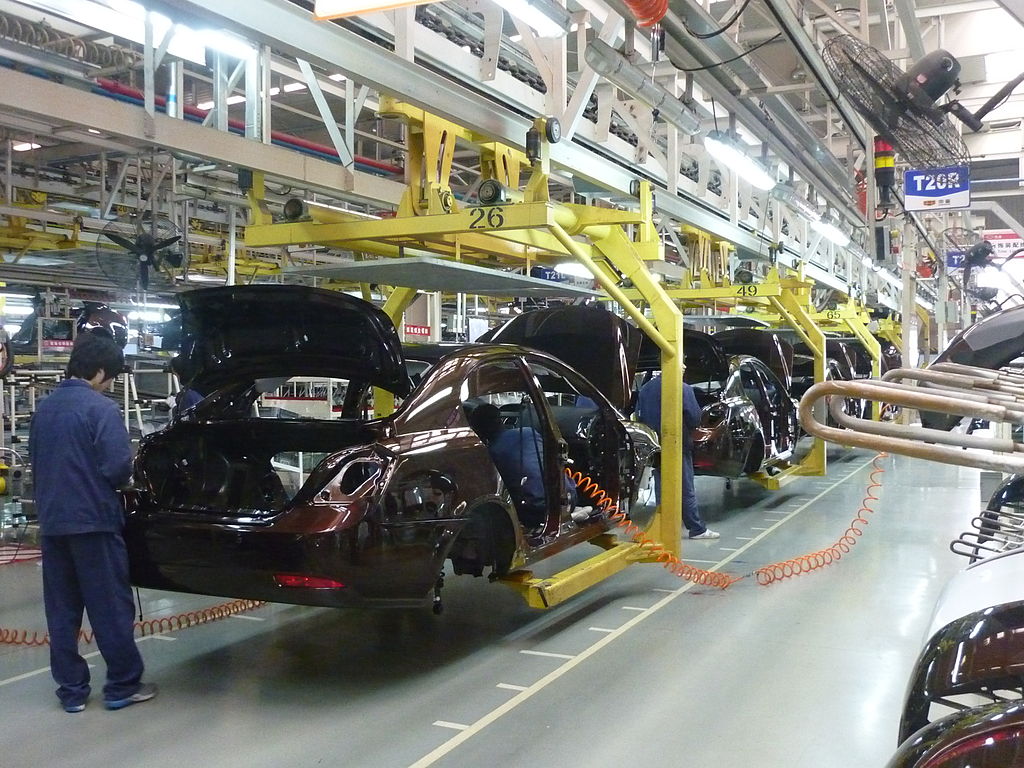
U.S. manufacturing grew for the first time in over two years in January, with the ISM Manufacturing PMI rising to 50.9 from 49.2 in December, signaling expansion. However, concerns remain after President Donald Trump announced tariffs on key trade partners. While he later paused 25% tariffs on Mexican and Canadian goods, a 10% levy on Chinese imports is set to proceed, raising fears of supply chain disruptions and inflation.
Economists warn that tariffs could strengthen the dollar, making U.S. exports less competitive. Kathy Bostjancic of Nationwide noted that tariffs act as a supply shock, increasing costs and slowing production, potentially hurting GDP growth. Meanwhile, Citigroup’s Veronica Clark pointed out that a stronger dollar would weigh on manufacturing, given that nearly half of U.S. manufactured goods are exported.
The ISM survey showed rising prices for the fourth straight month, with the prices-paid index jumping to 54.9. New orders also surged to 55.1 from 52.1, while supplier deliveries slowed. Factory employment expanded for the first time since May, and imports increased as manufacturers stocked up before tariffs took effect.
Despite some positive momentum, manufacturing output fell 0.4% year-over-year. Supply chain issues resurfaced, with transportation equipment manufacturers citing worsening shortages. The construction sector also faces headwinds, as higher tariffs could drive up the cost of lumber and other materials, potentially slowing homebuilding.
Stocks initially tumbled before rebounding, while the dollar weakened but remained supported by trade policies. U.S. Treasury yields declined as investors sought safer assets. With economic uncertainty persisting, analysts remain cautious about the sustainability of the manufacturing recovery amid ongoing trade tensions and policy shifts.













