


 Google Expands Gemini Enterprise With AI Tools for Legal Sector
  German Industry Pushes Merz for Tougher China Trade Policy
  HP Stock Drops 9% Despite Q3 Earnings Beat and Raised 2026 Outlook
  OpenAI AI Agent Swarm Behind Hugging Face Hack
  Iran Condemns New US Sanctions as Hormuz Standoff Deepens
  Pinterest Stock Falls as CFO Julia Brau Donnelly Resigns
  34 Australians Missing After Deadly Nepal Floods
  Unitree Shares Plunge 45% After Blockbuster IPO, Raising China Tech Bubble Fears
  Ecuador Court Convicts Ex-President Lenin Moreno in Bribery Case
  Countries Tighten Social Media Bans for Children
  Nvidia Revenue Soars 106% as AI Demand Hits ‘Inflection Point’
  South Korea, Japan and US Plan Joint Military Drills
  BofA Names ASML Top Semiconductor Equipment Pick on Growth, Valuation
  Meta, U.S. States Discuss Settlement in Teen Addiction Trial
  Nvidia Pauses AI Cloud Financing Deals Amid Antitrust Concerns
  U.S. Disrupts China-Linked Hacking Campaign Targeting Government Agencies


 Add as a preferred source on Google
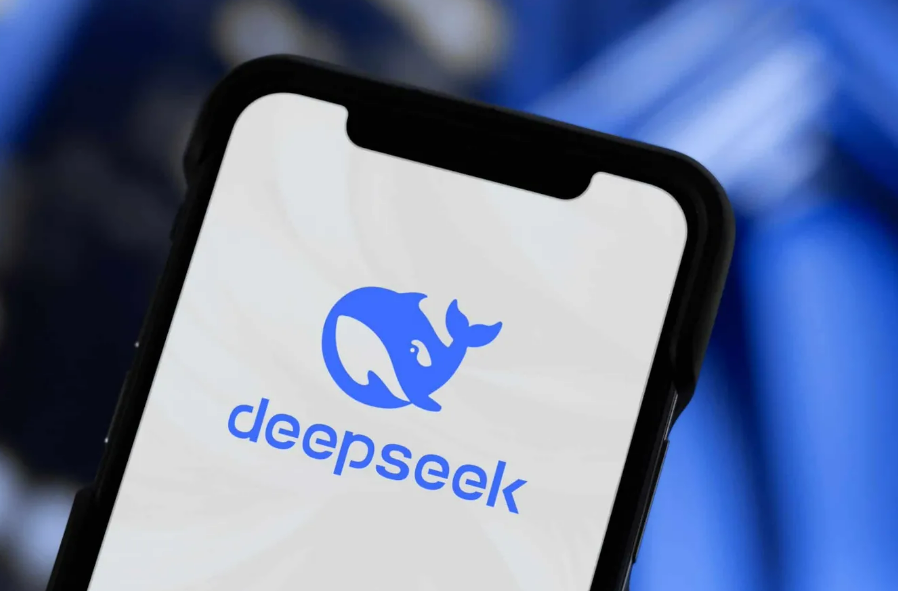
A group of nine Republican U.S. lawmakers has formally urged the Pentagon to expand its list of Chinese companies accused of supporting China’s military, intensifying scrutiny of Beijing-linked technology firms amid rising U.S.–China tensions. In a letter sent late Thursday to U.S. Secretary of Defense Pete Hegseth, the lawmakers called for several high-profile Chinese technology companies to be added to the Section 1260H list, a designation that identifies entities allegedly assisting the Chinese military.
The request came shortly after President Donald Trump signed a must-pass military spending bill worth approximately $1 trillion into law, underscoring the heightened focus on national security and defense supply chains. Among the companies the lawmakers want added are artificial intelligence firm DeepSeek, smartphone manufacturer Xiaomi, and electronic display giant BOE Technology Group. The 1260H list already includes major Chinese firms such as Tencent Holdings and electric vehicle battery maker CATL.
While placement on the Section 1260H list does not amount to formal sanctions, it serves as a strong signal to the Department of Defense, the so-called Department of War, and other U.S. government agencies about the perceived risks of doing business with the listed companies. Inclusion can also influence government procurement decisions and broader supply chain strategies. Some Chinese companies previously added to the list have challenged the designation in U.S. courts.
According to Reuters, a senior U.S. official said earlier this year that DeepSeek had aided China’s military and worked to bypass U.S. export controls. BOE Technology Group, a known supplier to Apple’s iPhone production chain, was also cited as part of a broader push by lawmakers to remove certain Chinese display manufacturers from U.S. defense-related supply chains by 2030.
The lawmakers also recommended adding a wider group of Chinese firms, including WuXi AppTec, GenScript Group, RoboSense, Livox, Unitree Robotics, CloudMinds, Hua Hong Semiconductor, Shennan Circuit Co, and Kingsemi Co. The letter was signed by prominent Republican lawmakers, including Rep. John Moolenaar, Sen. Rick Scott, and several members who lead key congressional committees, highlighting growing bipartisan concern over Chinese technology and national security risks.
This latest move reflects Washington’s ongoing efforts to limit potential military and strategic advantages gained by China through advanced technologies, particularly in areas such as artificial intelligence, semiconductors, robotics, and electronics manufacturing.







