


 Trump Escalates Canada Trade War With 50% Tariffs
  HP Stock Drops 9% Despite Q3 Earnings Beat and Raised 2026 Outlook
  US Raises Concerns Over Chinese Artist Gao Zhen’s Prison Sentence
  Ecuador Court Convicts Ex-President Lenin Moreno in Bribery Case
  Nvidia Revenue Soars 106% as AI Demand Hits ‘Inflection Point’
  European Allies Seek to Reassure Pentagon as US Reviews Troop Presence
  Itochu Offers $1.56 Billion to Privatize Dentsu Soken
  Norway’s King Harald Dies at 89, Haakon VIII Takes Throne
  Israel Weighs Expelling UK Officials From Gaza Coordination Center
  Google Expands Gemini Enterprise With AI Tools for Legal Sector
  SoftBank Plans Record $6.3 Billion Bond Sale to Fund OpenAI Investments
  Countries Tighten Social Media Bans for Children
  The Realist’s Case: Lukas Kerrebijn of RD Dubai on the Narrative Dubai’s Agents Won’t Question
  Nvidia Pauses AI Cloud Financing Deals Amid Antitrust Concerns
  UN Criticizes US Terror Label for Palestine Action
  Pentagon Eyes U.S. Troop Cuts in Europe Amid NATO Review
  Tennessee Plans to Rename Nashville Airport After Dolly Parton


 Add as a preferred source on Google
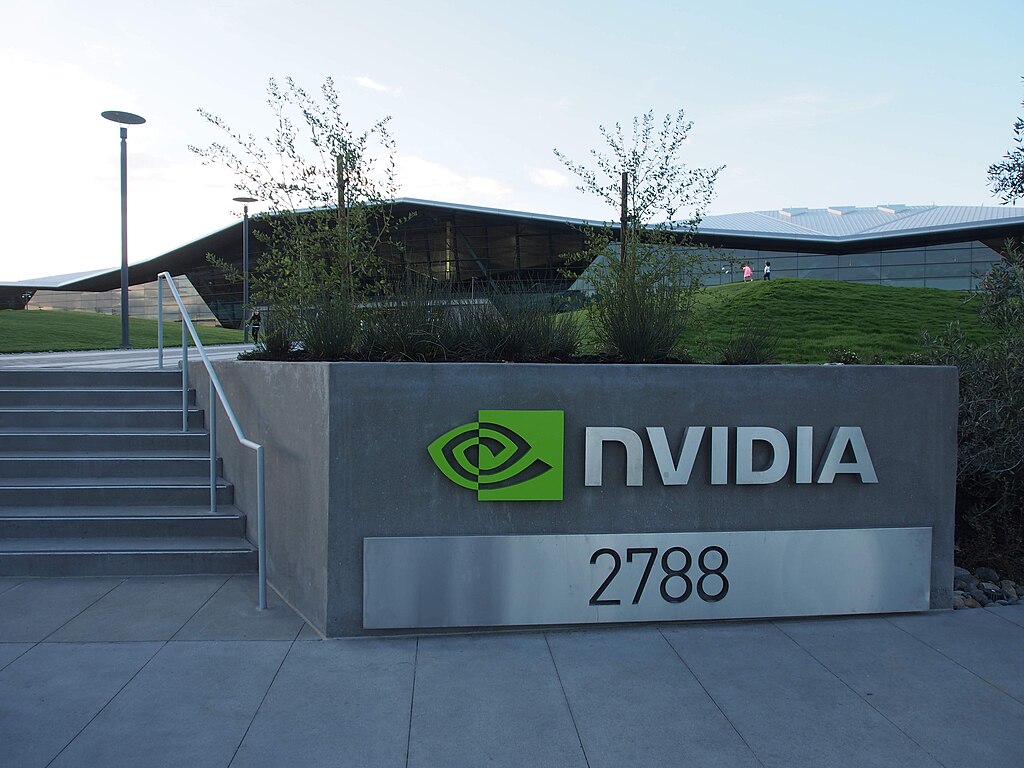
U.S. lawmakers and former national security officials are voicing strong concerns over President Donald Trump’s decision to allow Nvidia to resume sales of its advanced H200 artificial intelligence chips to China, warning the move could undermine America’s technological leadership and bolster Beijing’s military capabilities. The Trump administration formally approved the China-bound sales on Tuesday, marking a major shift from the Biden-era restrictions that barred exports of high-end AI semiconductors to the country.
During a congressional hearing on Wednesday, Matt Pottinger, former White House Asia adviser under Trump, criticized the decision as a strategic error. He argued that allowing Nvidia’s H200 chips into China could accelerate the modernization of the Chinese military, enhancing capabilities in areas such as nuclear weapons development, cyber warfare, autonomous weapons systems, biological research, and intelligence operations. Pottinger urged Congress to establish stricter guardrails to prevent similar decisions in the future, calling the administration’s approach to the AI race “the wrong track.”
Several Republican lawmakers echoed these national security concerns. Congressman Michael McCaul highlighted China’s long history of intellectual property theft, arguing that the U.S. should not willingly supply advanced technology that could be used against American interests. At the same time, some Republicans acknowledged safeguards in the new rules. Congressman Brian Mast praised the “know your customer” requirements, which are designed to limit misuse of the chips.
Democratic lawmakers were more forceful in their criticism. Congressman Gabe Amo likened the policy shift to giving strategic advantages to adversaries during a conflict, questioning why the U.S. would weaken its AI edge. Former Deputy National Security Adviser Jon Finer also warned that the regulations would place heavy enforcement burdens on the Commerce Department and rely on Chinese buyers’ honesty.
Under the new rules, Nvidia must certify sufficient domestic supply before exporting, limit China to less than 50% of U.S. sales, and ensure third-party testing and security assurances. Nvidia defended the decision, saying U.S. companies should compete globally while supporting American jobs.







