


 UK PM Andy Burnham Set for First Trump Meeting in New York
  Lula, Flavio Bolsonaro Deadlocked in Brazil Election Polls
  Mahmoud Khalil Sues Columbia Over Alleged Pro-Palestinian Harassment
  Nvidia CEO Jensen Huang Expected at Trump-Xi State Dinner
  Ovechkin Faces Scrutiny Over United Russia Campaign Video
  Ukraine Tests New Anti-Drone Weapon After Successful Shahed Intercept
  Judge Blocks Trump Rule Limiting Foreign Student Visas
  South Korea’s Cho Hyun to Meet Rubio in Washington
  China to Push Global Security Vision at Xiangshan Forum
  Trump Open to Chinese Automakers Building Cars in US
  China’s Global Times Slams Anthropic CEO’s AI Slowdown Plan as ‘Cold War’ Strategy
  Houthis Escalate Saudi Attacks as Red Sea Oil Risks Grow
  Kim Jong Un Pledges Deeper Russia Cooperation
  What is Zionism? The different meanings of a contested term
  Saudi Arabia Raises Security Alerts as Houthi Attacks Threaten Oil Routes
  Trump Touts $5,000 Checks if Republicans Win Congress
  Trump Rejects Calls for Tougher AI Regulation


 Add as a preferred source on Google
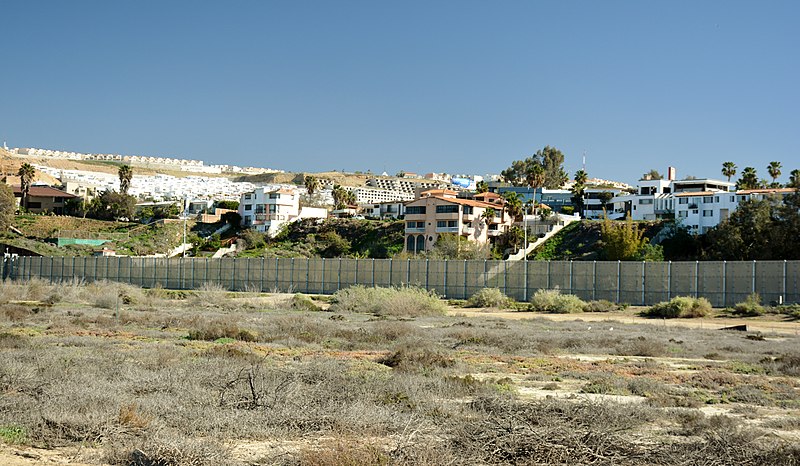
A US judge ruled that the Biden administration has five weeks to end an immigration policy that allowed authorities to expel hundreds of thousands of migrants seeking asylum on the southern border of Mexico. The judge cited that the Title 42 policy breached federal regulatory law.
US District Court Judge Emmet Sullivan said in a 49-page filing Tuesday that the Title 42 policy was an “arbitrary and capricious” policy that breached federal regulatory law. The administration filed an unopposed motion requesting the delay. By Wednesday, Sullivan said he granted the motion to delay with reluctance, adding that the order halting the border expulsion policy will be in effect on December 2.
The Department of Homeland Security issued a separate statement saying that it needed five weeks to “prepare for an orderly transition” at the southern border. “The United States will continue to fully enforce our immigration laws at our border.”
Sullivan’s ruling was welcomed by human rights groups. The Title 42 policy was largely criticized as a violation of US and international laws that would endanger asylum seekers and refugees. Over 2.4 million Title 42 expulsions were carried out at the southern border since the policy was put in place by President Joe Biden’s predecessor Donald Trump’s administration back in March 2020.
The Trump administration argued that Title 42 was necessary to prevent the spread of COVID-19. However, experts said it was a pretext to further the Trump administration’s hardline, anti-immigrant policies.
A lawyer for the American Civil Liberties Union, Lee Gelernt, who led the challenge to the policy, said Sullivan’s decision was “a huge victory and one that literally has life-and-death stakes.”
US regulators Thursday approved a plan to demolish four dams in the California river, opening up hundreds of miles of salmon habitat in what is seen as the largest dam removal and river restoration project in the world when it goes into effect.
The Federal Energy Regulatory Commission voted unanimously in favor of the plan on the lower Klamath River dams, clearing the last regulatory hurdle and the biggest milestone for the $500 million demolition proposal that was advocated for by Native American tribes and environmentalists.







