


 Meta, U.S. States Discuss Settlement in Teen Addiction Trial
  Street Poller Media and The Boom of the Street Interview Ad Industry
  GM Plans C$1.1 Billion Canada Investment Amid U.S. Tariff Pressure
  Unitree Shares Plunge 45% After Blockbuster IPO, Raising China Tech Bubble Fears
  Google Expands Gemini Enterprise With AI Tools for Legal Sector
  FAA to Pause Reagan National Airport Flights for Freedom 250 IndyCar Race
  Trump Buys SpaceX Shares After Record IPO
  Yindjibarndi Appeals Fortescue Mining Compensation Ruling
  Honda, Nissan Eye Shared Vehicle Software Platform by 2029
  Countries Tighten Social Media Bans for Children
  Samsung Shares Tumble 8% as $79 Billion Return Plan Disappoints
  Pinterest Stock Falls as CFO Julia Brau Donnelly Resigns
  Senate Majority Leader John Thune Moves to Advance Crypto Clarity Act
  Shein Hong Kong IPO to Raise $1.7 Billion at $26.5 Billion Valuation
  New Zealand Labour Backs Social Media Ban for Under-16s
  BofA Names ASML Top Semiconductor Equipment Pick on Growth, Valuation


 Add as a preferred source on Google
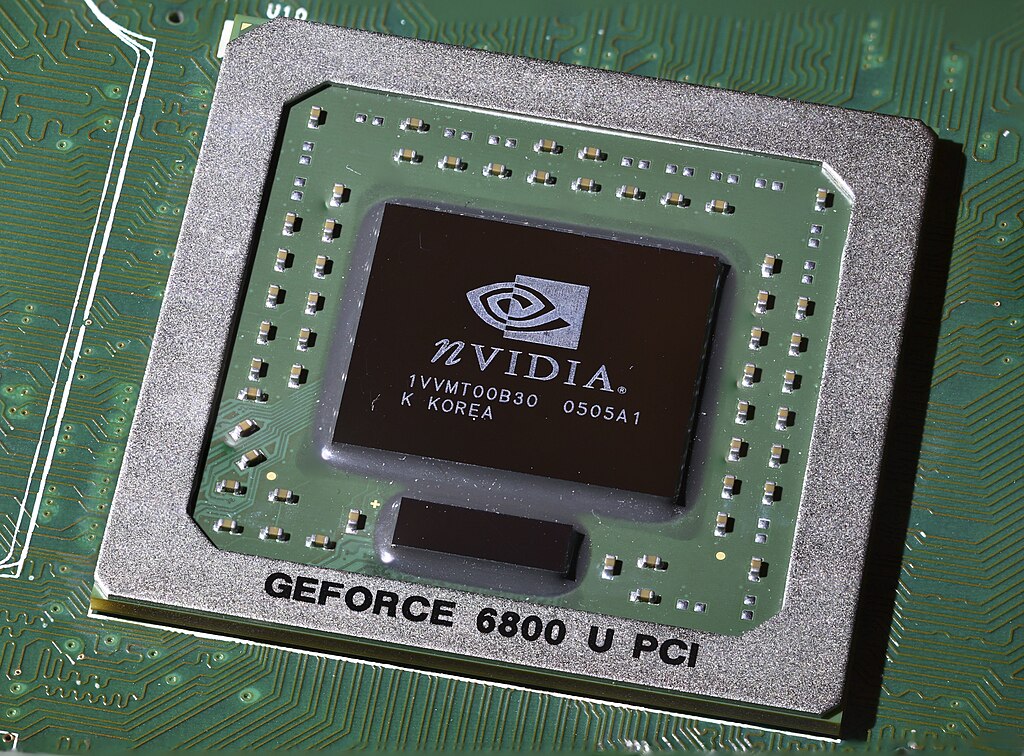
The U.S. Commerce Department announced new export licensing requirements on Tuesday targeting Nvidia’s H20 and AMD’s MI308 artificial intelligence chips, along with equivalent models, restricting their shipment to China. The move aims to tighten control over advanced semiconductor technology amid rising geopolitical and security concerns.
A Commerce Department spokesperson emphasized the agency’s commitment to implementing President Donald Trump’s directive to protect U.S. national and economic security through stricter export controls. The new rules reflect Washington’s broader effort to limit China’s access to high-performance AI hardware that could be used for military or surveillance applications.
Nvidia (NASDAQ:NVDA) responded to the restrictions by disclosing a potential $5.5 billion financial charge in its upcoming earnings, due to lost sales from the now-restricted H20 chip. The chipmaker had previously warned of significant revenue impacts if U.S. sanctions on exports to China were expanded. China has been a major market for Nvidia’s AI chips, which are widely used in cloud computing, data centers, and machine learning applications.
AMD (NASDAQ:AMD) is also expected to be impacted by the export curbs, as its MI308 chip falls under the new restrictions. Both companies face increasing uncertainty in maintaining business with Chinese customers amid tightening U.S. trade policies.
These developments are part of the Biden-Trump administration's broader push to reduce America’s reliance on China for critical technologies and curb China’s technological rise in sensitive sectors. The new licensing requirements are expected to take immediate effect, further straining U.S.-China tech relations and adding volatility to the global semiconductor supply chain.







