


 Bank of Japan Officials Signal Continued Interest Rate Hikes Amid Inflation Concerns
  U.S. Oil Prices Slide as Middle East Ceasefire Talks Spark Market Optimism
  Bank of Japan Eyes April Rate Hike Despite Inflation Dip, ING Says
  Federal Reserve Balance Sheet Reduction: Brookings Research Outlines Possible Path Forward
  U.S. Dollar Weakens as Trump Signals Iran Deal Possibility
  U.S. Stock Futures Steady as Iran Reviews U.S. Ceasefire Proposal
  Kristi Noem Ends Western Hemisphere Tour in Diminished Role After DHS Firing
  Taiwan Arms Deal on Track Despite U.S.-China Summit Uncertainty
  Trump Administration Settles Lawsuit Barring Federal Agencies from Pressuring Social Media Censorship
  Trump's Overhaul of American History: Museums, Monuments, and Cultural Institutions
  ICE Arrest of Guatemalan Woman at San Francisco Airport Sparks Outrage
  Suspicious Oil Market Trades Precede Trump's Iran Peace Post by 15 Minutes
  U.S.-Iran Peace Talks Gain Momentum Amid Ongoing Conflict
  US Accelerates Taiwan Arms Deliveries Amid Rising China Threat
  Denmark Election 2025: Social Democrats Suffer Historic Losses Amid Migration and Cost-of-Living Tensions
  Middle East War Rattles Global Markets as Oil Tops $100 and Dollar Surges


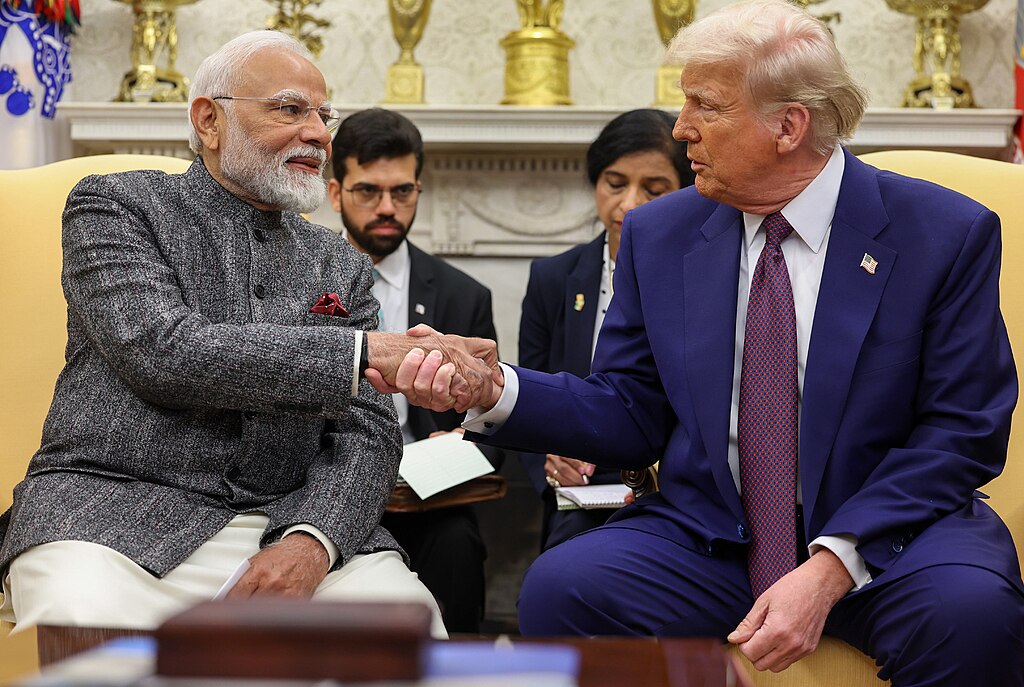
The U.S. has imposed a 26% tariff on imports from India, dealing a blow to New Delhi's hopes for leniency under President Donald Trump’s global trade policies. A baseline 10% tariff begins Saturday, with the full rate effective April 9. Trump cited India's 52% tariffs on U.S. goods as justification, calling the move a reciprocal measure.
India now faces new challenges in sectors like electronics and gems and jewellery, which represent nearly $23 billion in exports. However, the U.S. exempted Indian pharmaceutical exports—worth around $9 billion annually—providing relief to the country's pharma industry. Shares of Indian drugmakers surged nearly 5% in early trade, while the broader markets dipped 0.3%, faring better than other Asian markets that saw losses of up to 3%. The Indian rupee briefly dropped to 85.75 per dollar before recovering slightly.
Despite the setback, Indian industry bodies such as Assocham and the Federation of Indian Export Organisations said the impact on India's export competitiveness would be limited, as the tariff rate is lower than those imposed on key rivals like China (54%) and Vietnam (46%). India may even gain an edge in apparel and footwear exports.
The White House justified the tariff by pointing to India’s "uniquely burdensome" non-tariff barriers and currency manipulation, estimating that lifting those restrictions could boost U.S. exports by $5.3 billion annually. The tariffs will remain until the U.S. trade deficit with India—currently at $46 billion—is addressed.
Prime Minister Narendra Modi, seen as a Trump ally, may look to ease tensions by cutting tariffs on U.S. goods worth $23 billion, including bourbon and motorcycles, and by scrapping digital taxes affecting American tech companies.
India’s average tariff stands at 17%, compared to the U.S.'s 3.3% before the new measures.













