


 Japanese Pharmaceutical Stocks Slide as TrumpRx.gov Launch Sparks Market Concerns
  Japan Election 2026: Sanae Takaichi Poised for Landslide Win Despite Record Snowfall
  U.S.-India Trade Framework Signals Major Shift in Tariffs, Energy, and Supply Chains
  U.S. to Begin Paying UN Dues as Financial Crisis Spurs Push for Reforms
  U.S. Lawmakers to Review Unredacted Jeffrey Epstein DOJ Files Starting Monday
  China Warns US Arms Sales to Taiwan Could Disrupt Trump’s Planned Visit
  Federal Judge Restores Funding for Gateway Rail Tunnel Project
  Norway Opens Corruption Probe Into Former PM and Nobel Committee Chair Thorbjoern Jagland Over Epstein Links
  New York Legalizes Medical Aid in Dying for Terminally Ill Patients
  Global Markets Slide as AI, Crypto, and Precious Metals Face Heightened Volatility
  Japan Economy Poised for Q4 2025 Growth as Investment and Consumption Hold Firm
  Trump Signs “America First Arms Transfer Strategy” to Prioritize U.S. Weapons Sales
  U.S. Announces Additional $6 Million in Humanitarian Aid to Cuba Amid Oil Sanctions and Fuel Shortages
  Trump Says “Very Good Talks” Underway on Russia-Ukraine War as Peace Efforts Continue
  Trump Signs Executive Order Threatening 25% Tariffs on Countries Trading With Iran
  South Korea Assures U.S. on Trade Deal Commitments Amid Tariff Concerns


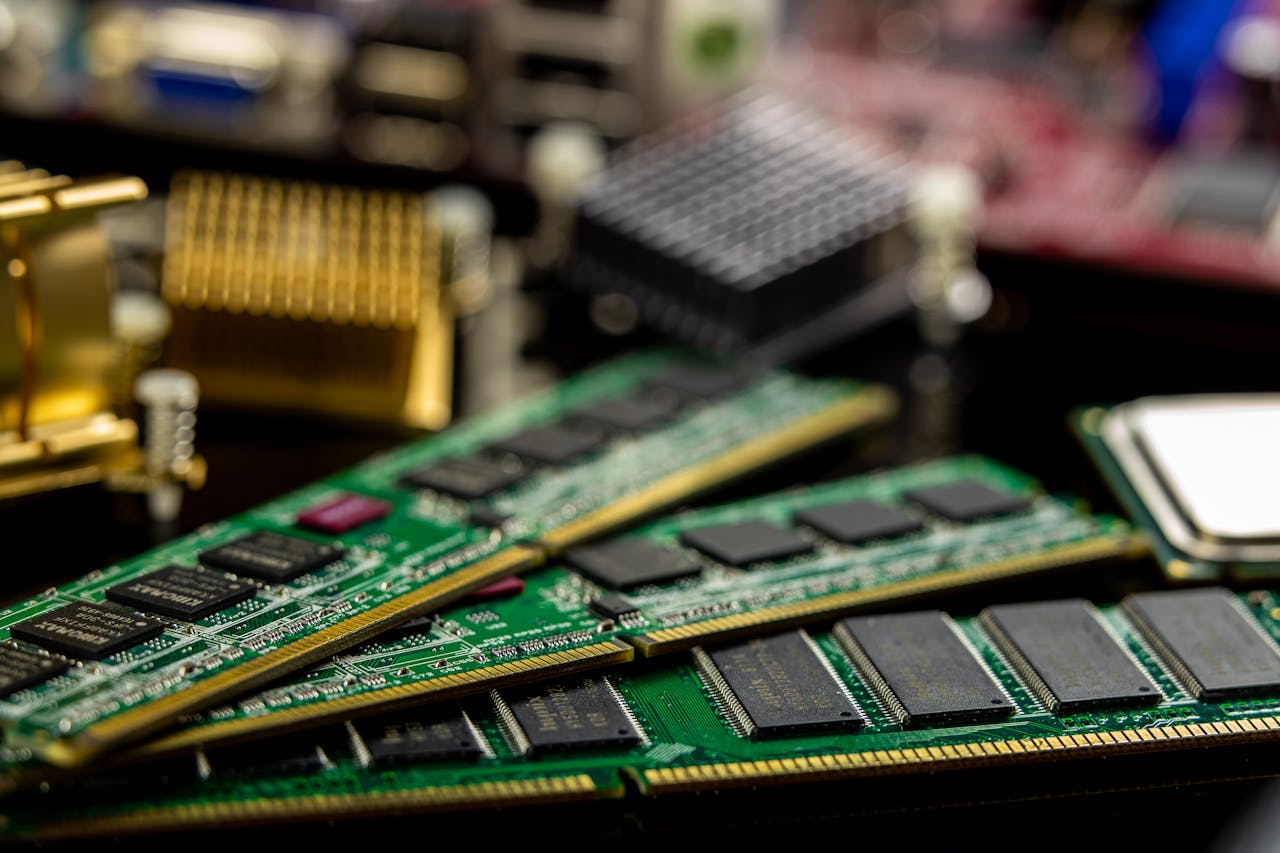
The United States government has announced a 25% national security tariff on certain high-end semiconductors, marking what officials describe as a “phase one” step in a broader strategy to protect and strengthen the domestic semiconductor industry. The tariff, announced by the U.S. Commerce Department on Wednesday, targets advanced chips that are considered critical to national security and technological leadership.
According to a White House official who spoke on condition of anonymity, this initial semiconductor tariff may be followed by additional trade measures. These future actions will depend largely on ongoing negotiations with foreign governments and major semiconductor companies. The official emphasized that the administration views this move as part of a longer-term plan rather than a one-off decision, signaling that the global chip supply chain could face further policy shifts.
President Donald Trump has repeatedly stressed the importance of reshoring semiconductor manufacturing to the United States. In previous statements, he warned that chips not produced domestically could face tariffs as high as 100% in the future. The goal, according to the administration, is to reduce reliance on foreign-made semiconductors, particularly those used in sensitive industries such as defense, artificial intelligence, and advanced computing.
The new tariff underscores growing concerns in Washington about supply chain vulnerabilities and geopolitical risks tied to semiconductor production. High-end semiconductors are essential components in everything from smartphones and electric vehicles to military systems, making them a strategic priority for national security. By imposing tariffs, the U.S. hopes to incentivize companies to invest more heavily in domestic chip manufacturing facilities.
Industry experts note that while the tariff could encourage long-term investment in U.S.-based semiconductor plants, it may also increase costs in the short term for companies that rely on imported chips. Global chipmakers and trade partners are closely watching the situation, as further announcements could reshape international trade dynamics in the technology sector.
As negotiations continue, the semiconductor tariff signals a clear message: the U.S. government is prepared to use trade policy as a tool to bolster domestic manufacturing and protect critical technologies.













