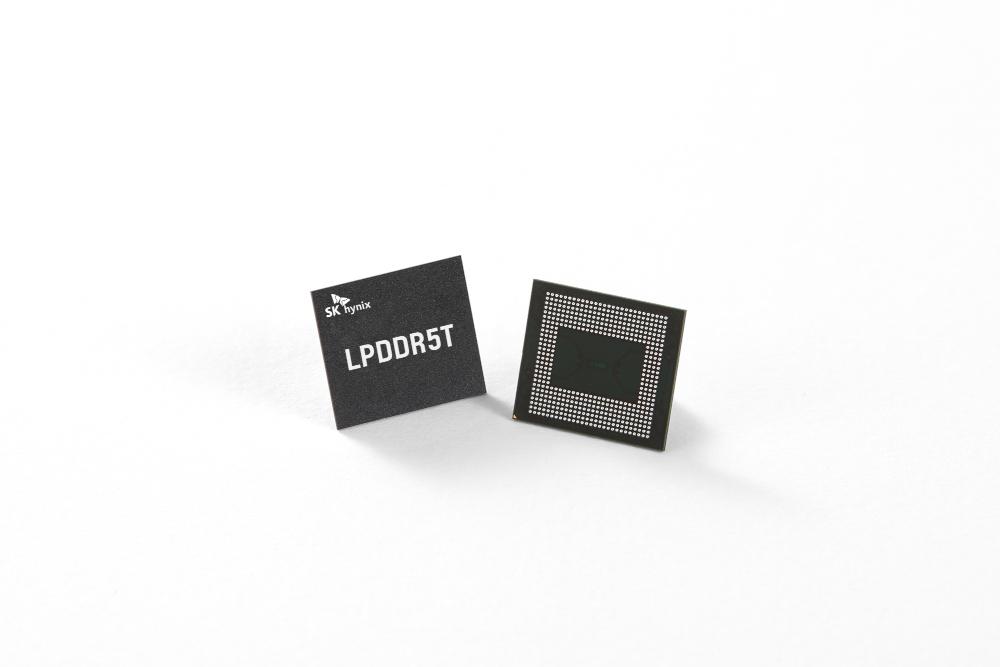
Samsung Electronics and SK hynix are expected to benefit from the U.S. government's plan to tighten regulations on Chinese legacy chips. The move aims to prohibit American defense companies from importing semiconductors from China. Securities analysts have predicted this development.
U.S. Department of Commerce Launches Survey
Last Thursday, the U.S. Department of Commerce announced its intention to conduct a survey in January. Korea Times reported that the survey will identify how American companies in critical industries source chips from China, specifically those with a size of 28 nanometers or larger.
According to the Korea Herald, The department aims to mitigate national security risks associated with China.
The upcoming measure is seen as a preemptive attempt to prevent Chinese firms from dominating the U.S. semiconductor market. This follows their success in the American steelmaking and solar power sectors.
The Korean government is monitoring the potential impacts of the U.S. restriction on domestic companies. The Ministry of Trade, Industry, and Energy stated that they have strengthened cooperation with the U.S. and other major countries, to stabilize the semiconductor supply chain.
Positive Outlook for Samsung and SK
Market observers anticipate that the U.S. restrictions will primarily affect the exports of Chinese chipmakers. On the other hand, Samsung and SK hynix are expected to benefit from increased sales of their stocks of legacy DRAMs and NAND flash chips.
Kim Dong-won, an analyst at KB Securities, predicts that American companies will reduce their reliance on Chinese products to avoid regulatory uncertainties. The forthcoming U.S. measure is believed to target YMTC, CXMT, and SMIC, potentially exempting Chinese Samsung and SK hynix factories.
The forthcoming regulation aims to restrict YMTC's share in the U.S. NAND flash market. This move is expected to contribute to the growth of Samsung and SK's NAND businesses during the second half of next year.
China's foreign ministry spokesman, Wang Wenbing, expressed criticism towards the U.S., accusing it of "weaponizing" trade issues. China urges the U.S. to respect international trade regulations.
Photo: SK Hynix Newsroom