


 GameStop Raises eBay Stake to 9.8% as Ryan Cohen Pushes $56 Billion Takeover Bid
  Hyundai Takes Full Control of Boston Dynamics to Accelerate Humanoid Robot and AI Strategy
  BHP Q4 Iron Ore Output Rebounds as Copper Prices Boost Revenue
  Nvidia Partners With Fanuc and Yaskawa to Accelerate AI Robotics in Japan
  United Airlines Beats Q2 Earnings, Raises 2026 Profit Outlook Despite Higher Fuel Costs
  Jamie Dimon Warns Anthropic's Mythos AI Poses National Security Risks
  PayPal Rejects $53 Billion Stripe-Advent Takeover Offer as Too Low: Report
  Apple Intelligence China Approval Lifts Alibaba and Baidu Shares
  Trump Criticizes ABC, NBC and CNN for Limiting Coverage of Election Speech
  SpaceX Eyes Pentagon AI Deal as Cloud Pricing Strategy Pressures CoreWeave
  Eli Lilly Eyes AtaiBeckley Acquisition to Expand Psychedelic Mental Health Pipeline
  Sodexo Unveils Shift & Grow 2030 Strategy, Targets Over 5% Revenue Growth by Fiscal 2030
  Volvo Cars Q2 Profit Falls as Automaker Bets on EX60 EV to Drive Recovery
  Moonshot Launches Kimi K3, China's Largest Open-Source AI Model
  xAI Sues Man for Allegedly Using Grok to Generate AI Child Abuse Deepfakes
  Alibaba Stock Jumps as China Approves Apple Intelligence Powered by Qwen AI
  Mikron H1 2026 Sales Fall 5.9% as Automation Weakness Weighs on Profit


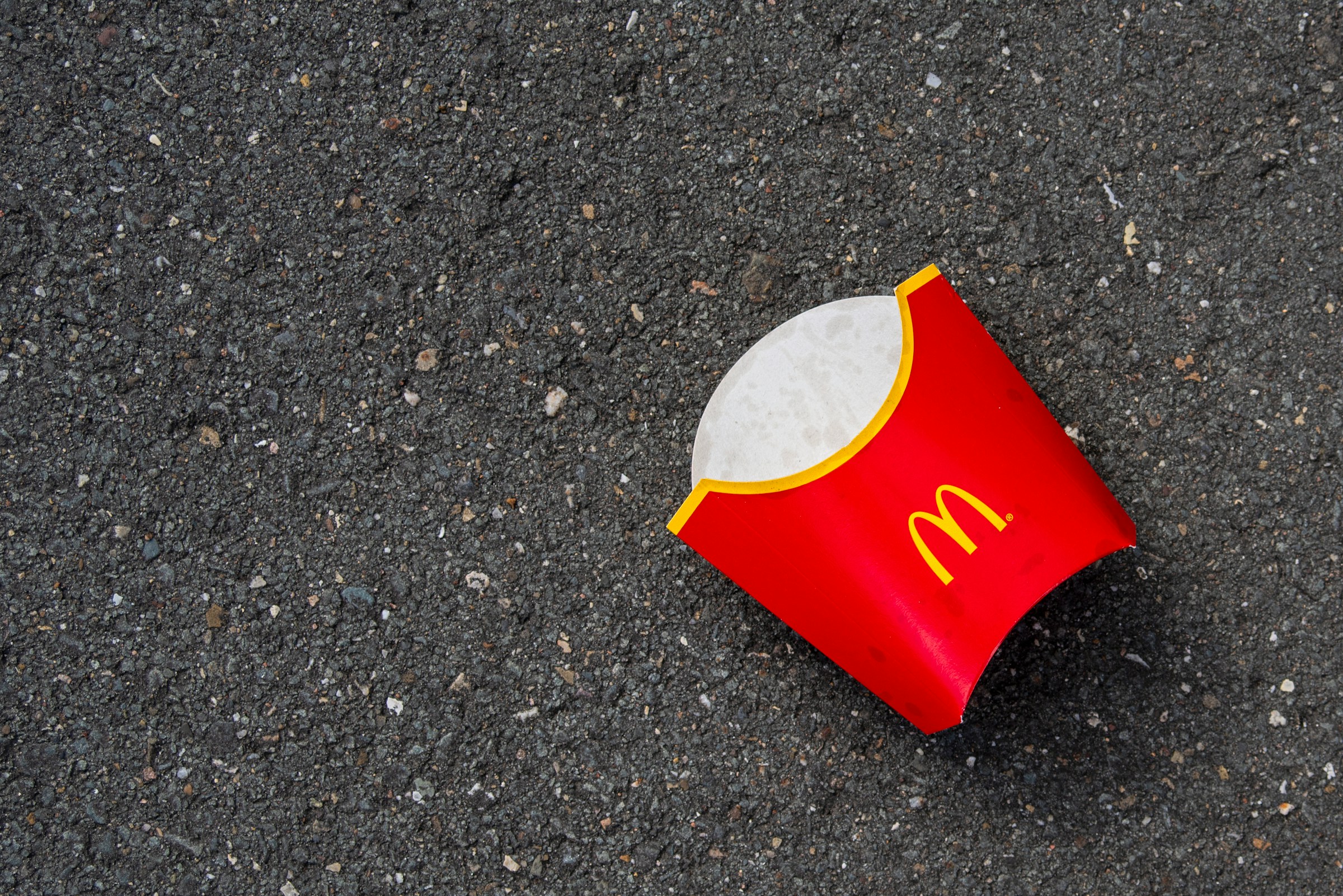
Fast food behemoths from McDonald's to Starbucks are facing a challenging phase as the ongoing conflict in the Middle East prompts consumer boycotts against American brands. McDonald's, a leading name in the fast food industry, reported a dip in sales from the Middle Eastern market, overshadowing gains in other regions such as Japan, Europe, and Latin America.
According to CEO Ian Borden, the company's first-quarter earnings were notably affected, with same-store sales in the region seeing a reduction of 0.2%.
Business Insider reported that these financial tremors have been predominant since Israel's military actions in Gaza last October, with Domino's and the iconic Golden Arches among the brands feeling the boycott's brunt. The boycotts, fueled by the U.S.'s support for Israel, have leveraged social media and tech, including apps directing consumers to alternative cafes, to amplify their impact.
Despite the Middle East constituting a minor share of their global revenue, the persistence of sales decline is a pressing concern.
No Immediate Relief in Sight
According to Titrepresse, McDonald's top executive, Chris Kempczinski, expressed little optimism for a short-term recovery, anticipating the sales impact to linger as long as the conflict does. Similarly, Starbucks CFO Rachel Ruggeri confirmed that the Middle Eastern turmoil has marred its international sales landscape, with a significant 6% fallback in comparable store sales attributed partly to decreased Middle Eastern transactions and challenges in China.
Bank of America analysts have speculated that Starbucks' 3% North American sales downturn might also stem from the prevailing social media narrative about its stance on the Middle Eastern crisis. Despite Starbucks' clarification that it does not support military or governmental actions, the narrative seems to have dented its U.S. customer base.
Light at the End of the Tunnel?
Yum! Brands, managing Pizza Hut and KFC, also acknowledged the adverse effect of boycotts on its first-quarter performance, with notable same-store sales declines. However, CEO David Gibbs hinted at a slow but hopeful recovery, suggesting time as a healer for the brand's reputation in the affected regions.
The fast food industry's ongoing challenge highlights the intricate ties between global politics, consumer sentiment, and corporate performance, underscoring a delicate balance that global brands must maintain in a politically conscious market landscape.
Photo: Lucas van Oort/Unsplash







