


 US Stock Futures Rise as US-Iran Ceasefire Hopes Boost Market Sentiment
  Asian Stocks End Strong Quarter as Dollar Surges, Yen Hits 40-Year Low Ahead of US Jobs Data
  RBA Minutes Signal Australia Central Bank Remains Ready to Raise Interest Rates if Inflation Persists
  Trump Threatens 100% Tariffs on Countries Imposing Digital Services Taxes on U.S. Tech Firms
  Canada Grants C$7 Million to Greenland Molybdenum Mine to Strengthen Critical Minerals Supply
  China Expands Export Controls, Adds 20 Japanese Companies to Restricted List
  Gold Price Falls as Fed Rate Hike Fears and U.S.-Iran Tensions Weigh on Bullion
  Dollar Slips Ahead of Key U.S. Jobs Data as Fed Rate Outlook, ECB, and Iran Talks Shape Forex Markets
  US Dollar Slips After PCE Inflation Data as Fed Rate Hike Expectations Stay Elevated
  Trump Urges Gasoline Retailers to Cut Prices to $2.50 Per Gallon, Warns of Legal Action
  Oil Prices Slip as U.S.-Iran Peace Talks and Strait of Hormuz Risks Keep Markets on Edge
  Trump Questions Housing Bill as He Prioritizes SAVE America Act
  Argentina Economy Shrinks 1.5% in April, Recovery Under Milei Loses Momentum
  Japan Targets 1%+ Real Economic Growth With ¥370 Trillion Investment Plan
  Trump Suspends Some Morocco Fertilizer Tariffs to Ease U.S. Supply Shortage
  Asian Currencies Stay Range-Bound as Investors Eye China Data, RBNZ Outlook and U.S.-Iran Ceasefire
  China Manufacturing PMI Edges Higher in June as Exports and AI Investment Boost Growth


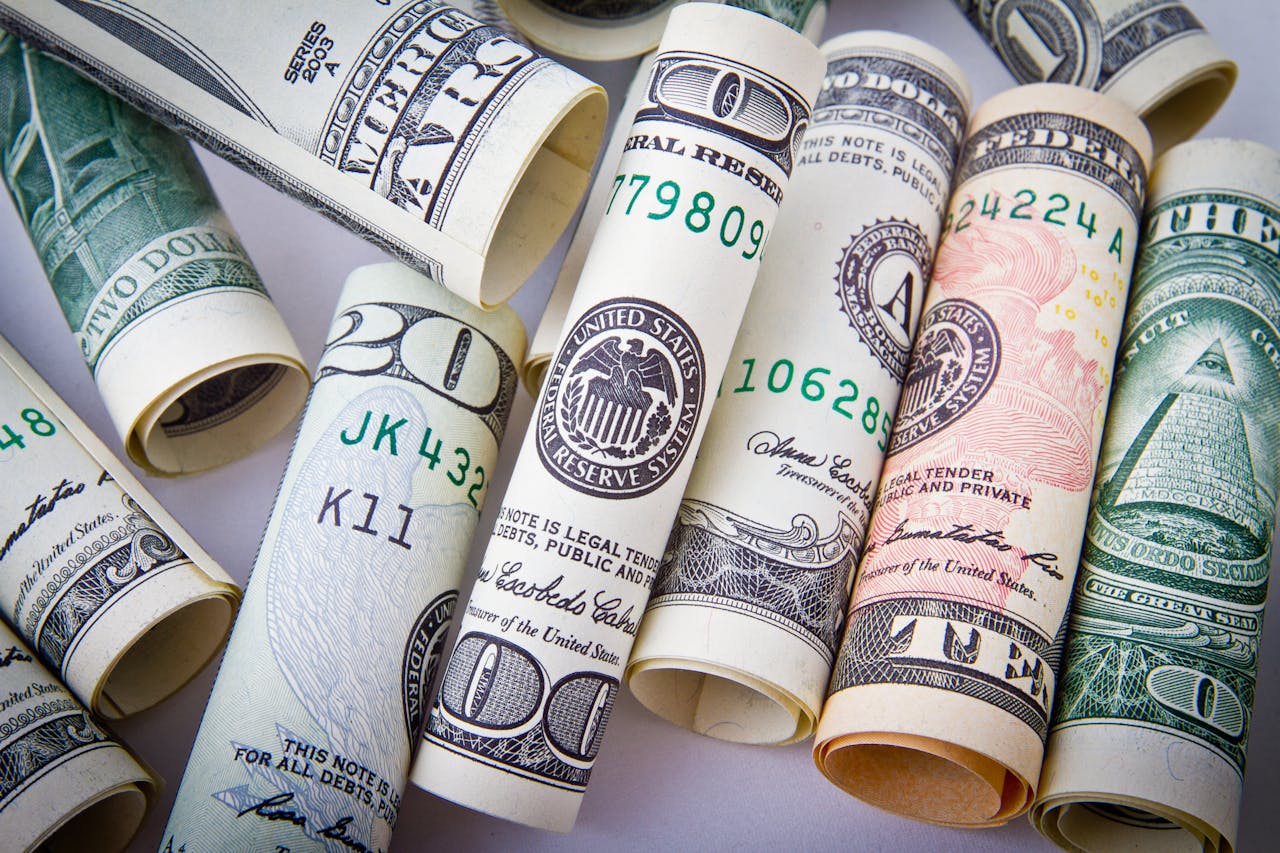
The U.S. dollar strengthened on Monday as investors turned to safe-haven assets amid renewed geopolitical uncertainty in the Middle East. Demand for the greenback increased after Iran announced it was suspending indirect negotiations with the United States following recent military strikes and escalating regional tensions.
Market sentiment was affected by reports that Iran had halted communication through mediators, citing military actions involving both the United States and Israel. Concerns also intensified after Tehran signaled potential restrictions on the Strait of Hormuz, one of the world's most important energy shipping routes. Any disruption in this region could significantly impact global oil and natural gas supplies, fueling inflation and economic uncertainty.
Despite the heightened tensions, President Donald Trump sought to reassure markets by stating that discussions with Iran were continuing and that a planned Israeli military operation in Beirut would not proceed. His comments helped ease some investor concerns, although uncertainty surrounding the negotiations remained.
The U.S. Dollar Index climbed 0.3% to 99.20, extending gains after posting a nearly 1% increase in May. The euro weakened against the dollar, while the British pound remained relatively stable. Meanwhile, the Japanese yen declined, pushing the USD/JPY pair closer to the psychologically important 160 level, a threshold that could attract intervention from Japanese authorities.
Investors are also closely watching expectations for interest rate policy. Rising energy prices and inflation concerns have increased speculation that central banks, including the Federal Reserve, may maintain higher interest rates for longer. These expectations contributed to a global bond market sell-off during May and supported the dollar’s recent strength.
Attention now shifts to upcoming U.S. economic data, particularly the May nonfarm payrolls report. Strong labor market performance and resilient economic growth could reinforce expectations for tighter monetary policy. Recent manufacturing data also pointed to continued expansion in the U.S. economy, suggesting that growth remains on solid footing despite geopolitical risks and global market volatility.







