


 Japan Industrial Output, Retail Sales Beat Forecasts in July
  Gold Prices Rebound as Fed Rate Hike Bets Rise
  Asian Tech Stocks Slide as Fed Rate Hike Bets Rise
  Oil Prices Jump as U.S.-Iran Tensions Threaten Hormuz Supply
  Canada Backs €100B Global Defence Bank as G7 Support Lags
  Oil Prices Jump as U.S.-Iran Tensions Threaten Hormuz
  Bessent Says Yen Moves Contained as BOJ Rate Decision Looms
  Oil Prices Slip as Venezuela Supply Prospects Weigh on Market
  Bessent Urges G20 to Rethink China Trade Ties
  Wall Street Slips as Warsh’s Hawkish Fed Speech Rattles Markets
  US Treasury Plans Weekly Iran Sanctions Push
  Citi Sees Signs of Shift in Global Currency Policy
  Tokyo Inflation Rises in August as BOJ Rate Hike Bets Grow
  Canadian Dollar Slides as Fed Rate Hike Bets Boost US Dollar
  Gold Prices Tumble 3% After Hawkish Fed Speech Boosts Dollar
  France Inflation Accelerates to 2.7% in August


 Add as a preferred source on Google
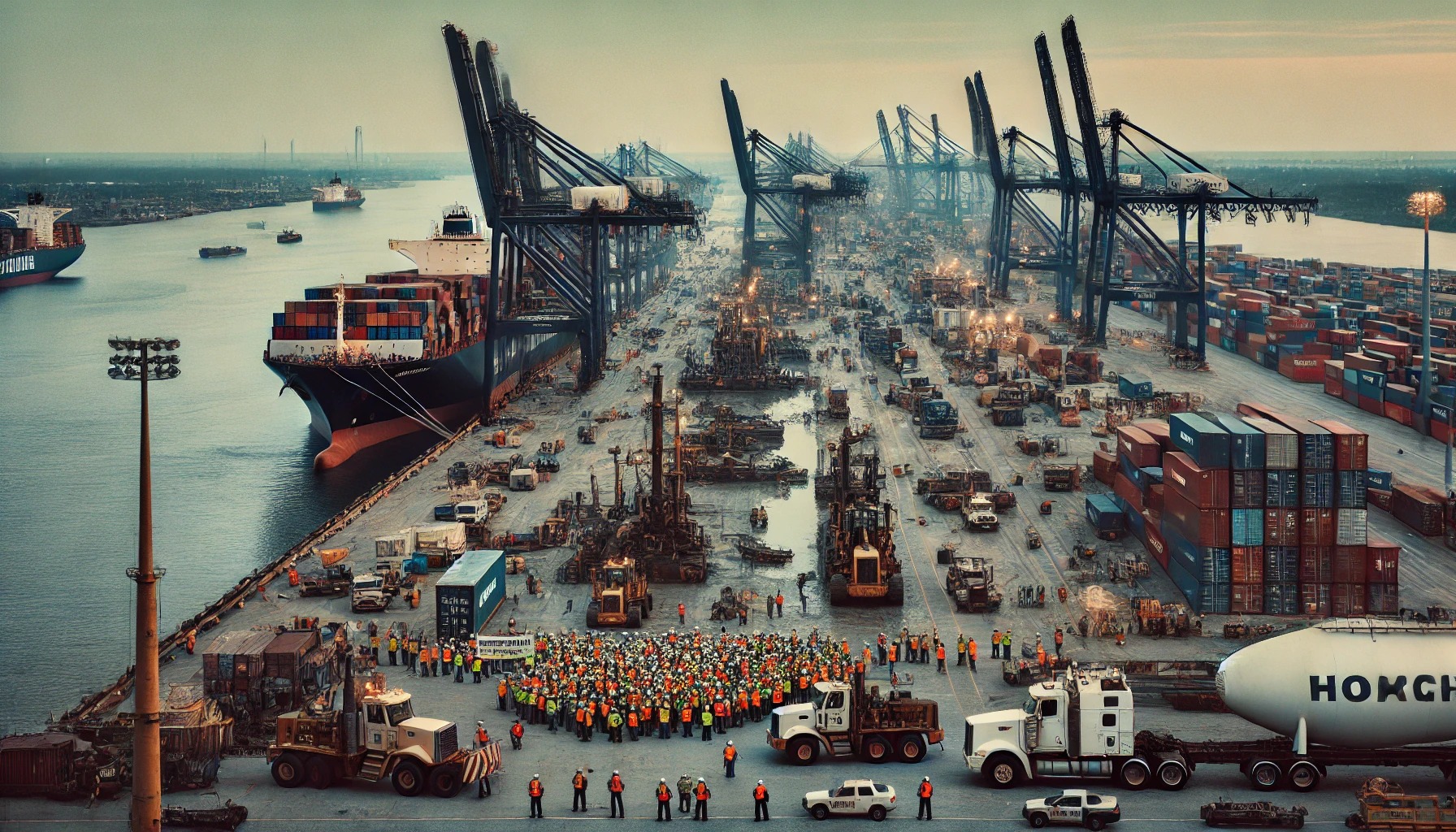
Dockworkers along the U.S. East Coast and Gulf Coast initiated their first large-scale strike in nearly five decades on Tuesday, halting operations across 36 ports and disrupting approximately half of the nation's ocean shipping. The strike comes after contract negotiations between the International Longshoremen’s Association (ILA) and the United States Maritime Alliance (USMX) employer group collapsed over wage disputes.
The strike, which started at 12:01 a.m. ET (0401 GMT), is impacting ports from Maine to Texas and halting shipments of goods ranging from food to automobiles. Analysts warn that the work stoppage could cost the economy billions of dollars daily and threaten jobs, while potentially fueling inflation.
President Joe Biden's administration has urged employers to improve their contract offer but has indicated it will not use federal authority to end the strike. “Shippers have made record profits since the pandemic,” said White House press secretary Karine Jean-Pierre, emphasizing the need for fair wages for port workers. Acting Secretary of Labor Julie Su also criticized employers for failing to present a suitable offer reflecting workers’ contributions.
The ILA, representing 45,000 port workers, rejected USMX's final contract proposal, stating that the offer "fell far short" of union demands. ILA President Harold Daggett noted that key employers, including Maersk and APM Terminals North America, have not agreed to adequate pay raises or protections against job-threatening automation projects. “We are prepared to fight as long as necessary,” Daggett said.
USMX responded with a statement asserting that its nearly 50% wage increase proposal exceeds other recent union settlements and addresses inflation concerns. However, Daggett maintains that the ILA seeks more, including a $5 hourly raise each year over a six-year contract.
The strike’s ripple effects are already apparent, with container ships lining up at U.S. ports and some businesses rushing to implement contingency plans. Retailers like Walmart and Costco have expedited shipments to avoid disruptions, while others, like Danish drugmaker Novo Nordisk, are considering air freight to minimize production delays.
If prolonged, the strike could lead to increased costs for U.S. consumers, as import prices rise.







