


 Iran–U.S. Nuclear Talks in Oman Face Major Hurdles Amid Rising Regional Tensions
  Missouri Judge Dismisses Lawsuit Challenging Starbucks’ Diversity and Inclusion Policies
  South Korea Assures U.S. on Trade Deal Commitments Amid Tariff Concerns
  Jack Lang Resigns as Head of Arab World Institute Amid Epstein Controversy
  TrumpRx.gov Highlights GLP-1 Drug Discounts but Offers Limited Savings for Most Americans
  Trump Says “Very Good Talks” Underway on Russia-Ukraine War as Peace Efforts Continue
  Ohio Man Indicted for Alleged Threat Against Vice President JD Vance, Faces Additional Federal Charges
  Pentagon Ends Military Education Programs With Harvard University
  Trump Endorses Japan’s Sanae Takaichi Ahead of Crucial Election Amid Market and China Tensions
  Trump Allows Commercial Fishing in Protected New England Waters
  China Warns US Arms Sales to Taiwan Could Disrupt Trump’s Planned Visit
  Federal Judge Restores Funding for Gateway Rail Tunnel Project
  India–U.S. Interim Trade Pact Cuts Auto Tariffs but Leaves Tesla Out
  Norway Opens Corruption Probe Into Former PM and Nobel Committee Chair Thorbjoern Jagland Over Epstein Links
  Japan Election 2026: Sanae Takaichi Poised for Landslide Win Despite Record Snowfall
  U.S. Lawmakers to Review Unredacted Jeffrey Epstein DOJ Files Starting Monday


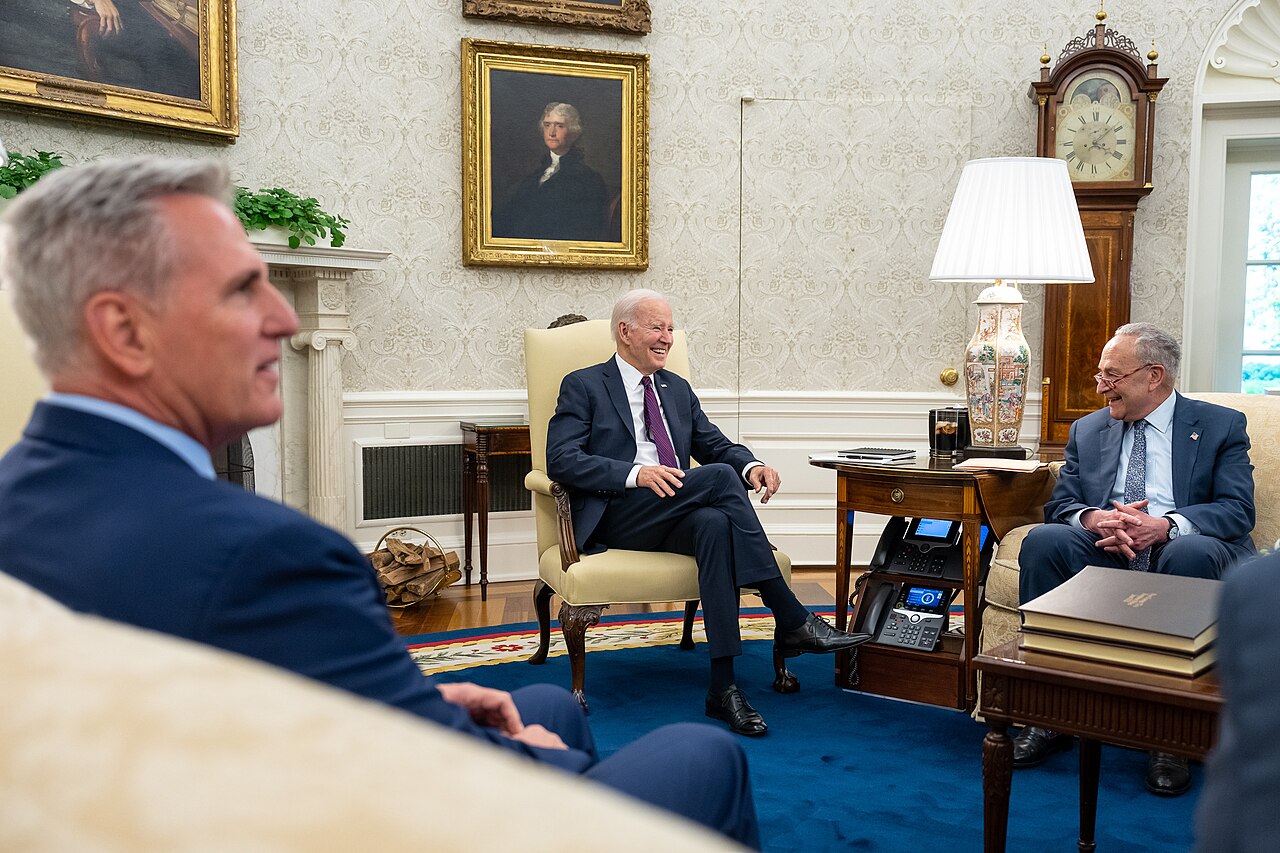
Following several rounds of talks, US President Joe Biden and Republican House Speaker Kevin McCarthy have reached a deal that would clear the way for Congress to raise the debt ceiling. The deal is likely going to draw the ire of lawmakers of both parties due to the concessions that were made.
On Saturday, Biden and McCarthy reached a tentative deal that would allow Congress to raise the country’s debt ceiling ahead of the warned deadline of when the United States runs out of funds and goes into default. The deal, however, is bound to draw the ire of lawmakers from both Democratic and Republican Parties due to the concessions that were made in order to come to the agreement.
Under the deal, the debt ceiling would be raised for two years while capping spending over that time. The deal was made “in principle” in a phone conversation between Biden and McCarthy that lasted 90 minutes. Biden later issued a statement, saying that the agreement reached with the Republican Speaker “represents a compromise, which means not everyone gets what they want.”
Biden said the agreement was “good news for the American people because it prevents what could have been a catastrophic default and would have led to an economic recession, retirement accounts devastated, and millions of jobs lost.”
Speaking at the Capitol, McCarthy told reporters that the deal reached with Biden was “worthy of the American people.” McCarthy said he expects the legislation to be done on Sunday before speaking with Biden again and holding a vote on the deal by Wednesday.
McCarthy also predicted on Sunday that his fellow House Republicans, who currently hold the chamber’s majority, would support the deal reached with the Democratic president. Biden later expressed confidence that the legislation to lift the debt ceiling would pass Congress to avoid a government default. Biden also said there were no points of contention in the deal when pressed by reporters.
Members of the hardline Republican Freedom Caucus said they plan to try and stop the agreement from passing the House in the upcoming vote on Wednesday. However, McCarthy dismissed the threats of opposition, saying that a majority of the House Republican caucus supported the deal. McCarthy added that bipartisan support is needed for the legislation to get to Biden’s desk.
Photo: White House/Wikimedia Commons(CC by 2.0)














,_House_Speaker_Kevin_McCarthy_(R-CA)_to_discuss_the_debt_ceiling_on_May_9,_2023_in_the_Oval_Office_-_P20230509AS-0867.jpg)