


 US Resumes Immigrant Visa Processing for Hungary, Poland
  South Korea GDP Surges on Chip and AI Boom
  SEC Probes Banks Over Situational Awareness Hedge Fund Collapse
  Japan, U.S. Stay Aligned on Yen as Currency Surges
  Iran Strikes U.S.-Used Jordan Base as Gulf War Escalates
  Bolivia Military Barracks Explosion Kills Nine
  Canada Retaliatory Tariffs on U.S. Goods Take Effect
  Brazil Warns EU of Retaliation Over Animal Products Ban
  SEC Proposes ‘Regulation Crypto Assets’ Framework for Crypto Fundraising
  New Zealand Moves to Ban Social Media for Children Under 16
  Hungary Industrial Output Beats Forecasts With 4.7% July Growth
  China Inflation Accelerates in August as CPI, PPI Rise
  Countries Tighten Social Media Bans for Children
  U.S. Accuses Chinese AI Firms of Extracting Model Capabilities
  Iran Threatens Gulf Energy Assets as U.S. Tensions Escalate
  FDA Names Permanent Drug and Biologics Center Chiefs
  Australia Defends Social Media Algorithm Law Amid US Concerns


 Add as a preferred source on Google
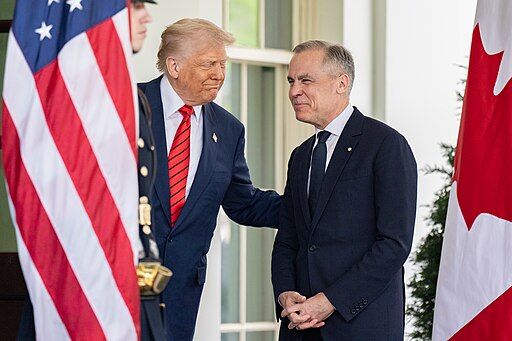
The United States has announced sweeping import bans on Canadian alcoholic beverages, motorcycles and some dairy products, escalating a trade dispute between the longtime North American allies.
The restrictions, announced Tuesday and set to take effect September 29, followed Canada’s implementation of retaliatory tariffs on roughly $20 billion worth of U.S. goods. Ottawa’s duties range from 15% to 50% and target products including steel, furniture, clothing and electronics.
Canada’s measures were introduced after the Trump administration imposed 50% tariffs last month on about $20 billion of Canadian imports following unsuccessful trade negotiations.
The latest U.S. import bans cover a wide range of alcoholic beverages, including beer, wine, whisky, bourbon, vodka, rum, tequila, mezcal and brandy. Certain dairy-related products are also affected, while various Canadian cheeses were added to a list facing 50% tariffs rather than outright prohibition.
Additional tariffs will apply to selected paper, aluminum, wood, furniture and lighting products.
Canadian Prime Minister Mark Carney said the worsening U.S.-Canada trade conflict reinforces the need for Canada to reduce its economic dependence on its largest trading partner.
“We have everything we need to pivot and prosper,” Carney said Tuesday, acknowledging that diversifying Canada’s economy would carry costs.
Canadian Trade Minister Dominic LeBlanc criticized Washington’s latest measures and said protecting Canadian workers, farmers, families and businesses remained Ottawa’s priority. He has been communicating with U.S. Trade Representative Jamieson Greer about a potential path toward resolving the dispute.
President Donald Trump’s threat to increase tariffs on Canadian automobiles from 25% to 50% beginning January 1 also remains in place, according to a U.S. official.
The escalating tariff battle has raised concerns about the future of the U.S.-Mexico-Canada Agreement (USMCA), which supports extensive duty-free commerce across North America.
Canada currently sends nearly 68% of its exports to the United States, with roughly 80% entering duty-free under USMCA protections. Analysts warn that prolonged trade tensions could weaken investment and economic growth while increasing uncertainty for businesses on both sides of the border.







