


 Netanyahu Orders West Bank Settler Outposts Dismantled
  Flavio Bolsonaro Rallies Brazil Opposition Ahead of Election
  Bolivia Military Barracks Explosion Kills Nine
  Ecuador Backs U.S. Sinking of Vessels in Pacific Anti-Drug Operation
  Israeli Strikes Kill Four in Gaza, Including Two Children
  OPEC+ Expected to Hold October Oil Output Steady
  Merz Rejects AfD Alliance After Saxony-Anhalt Surge
  Uranium Prices Could Top $100 as Nuclear Demand Grows
  Lavrov Accuses Germany of ‘Declaring War’ on Russia
  Putin Meets US Envoys in Moscow as Ukraine Peace Push Intensifies
  Gold Holds Near $4,400 as Fed Hike Bets Rise
  China to Inject $45 Billion Into State Financial Institutions
  China Boosts Gold Reserves by 650,000 Ounces as Prices Rally
  Israel Strikes Southern Lebanon After Hezbollah Drone Attack
  UK House Prices Fall for First Time Since 2023
  AfD Eyes Historic Win in Saxony-Anhalt Election
  Iran Vows Tougher Response as U.S. Sanctions Squeeze Economy


 Add as a preferred source on Google
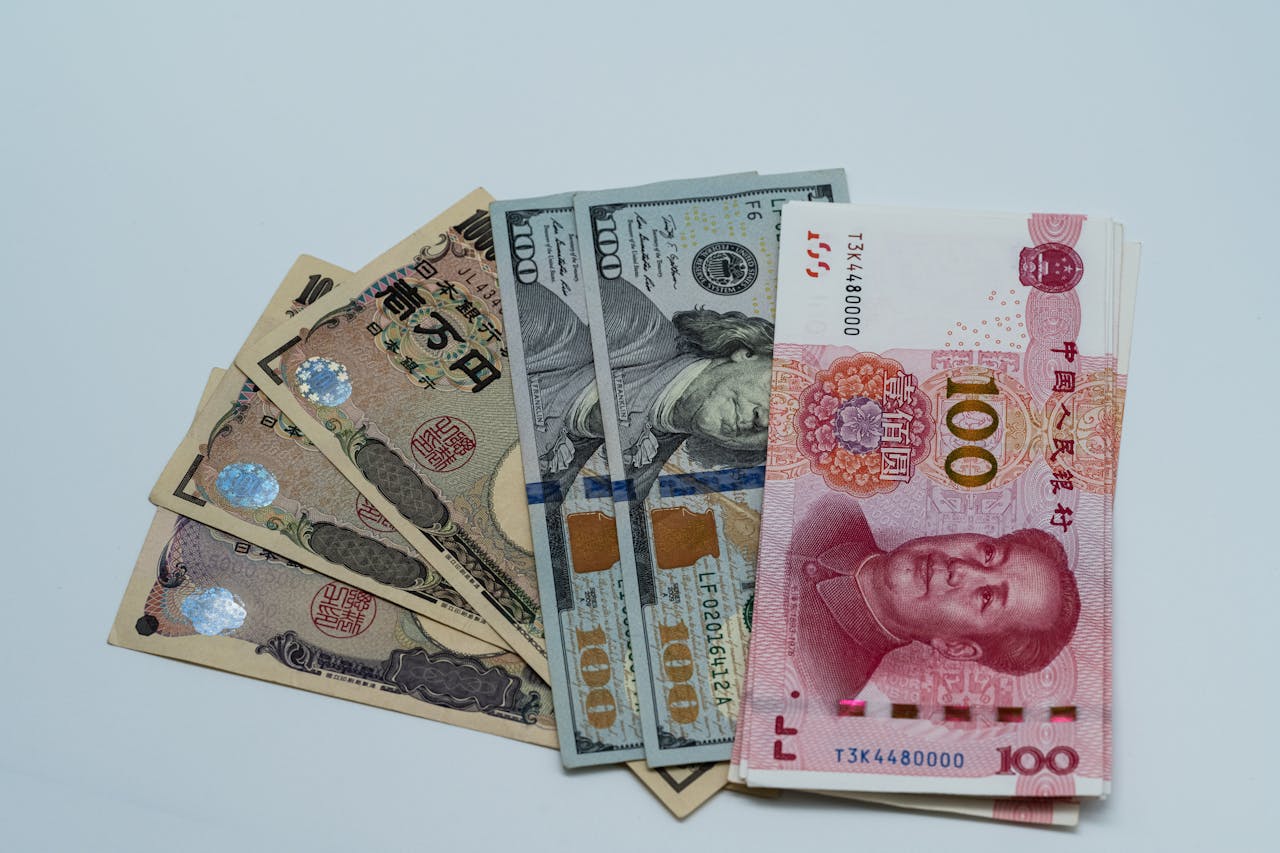
Japanese Finance Minister Satsuki Katayama said Tuesday that Japan and the United States remain closely aligned on foreign exchange policy, reaffirming their commitment to maintaining stability in currency markets as the yen extends a sharp rally.
Speaking at a regular news conference, Katayama said Tokyo’s position on currency movements has remained unchanged since Japan and the U.S. carried out coordinated intervention in late July to support the Japanese yen.
“Our policy stance has not changed at all since the Japan-U.S. coordinated intervention,” Katayama said, underscoring the government’s continued readiness to respond to excessive or disorderly moves in the foreign exchange market.
The finance minister also emphasized that communication between Japanese officials and the U.S. Treasury remains active. Tokyo will continue working closely with Washington to promote orderly currency movements and monitor developments in global financial markets.
Katayama said she had discussed currency and economic issues with U.S. Treasury Secretary Scott Bessent during recent Group of 20 meetings and on other occasions. The comments highlight continued Japan-U.S. coordination at a time when rapidly shifting interest rate expectations are driving significant moves in the yen.
The Japanese yen recently climbed to a seven-month high, marking a dramatic turnaround after an extended period of weakness. Traders have been reassessing the currency’s outlook amid growing expectations that the Bank of Japan could accelerate monetary policy tightening.
Speculation that Japanese investors may bring more overseas capital back home has also supported the yen. Higher domestic interest rates could make Japanese assets increasingly attractive and reduce incentives for investors to keep funds abroad.
The yen’s rapid appreciation has shifted market attention from concerns over prolonged currency weakness to the possibility of heightened volatility. Katayama’s latest remarks indicate that Japanese authorities remain focused on orderly foreign exchange movements rather than targeting a specific yen exchange rate.
With Bank of Japan policy expectations evolving and global interest rates remaining a key market driver, investors are likely to closely watch further statements from both Tokyo and Washington for signals about their approach to currency volatility.







