


 Trump Says “Very Good Talks” Underway on Russia-Ukraine War as Peace Efforts Continue
  Netanyahu to Meet Trump in Washington as Iran Nuclear Talks Intensify
  Israel Approves West Bank Measures Expanding Settler Land Access
  Ohio Man Indicted for Alleged Threat Against Vice President JD Vance, Faces Additional Federal Charges
  Trump’s Inflation Claims Clash With Voters’ Cost-of-Living Reality
  India–U.S. Interim Trade Pact Cuts Auto Tariffs but Leaves Tesla Out
  Antonio José Seguro Poised for Landslide Win in Portugal Presidential Runoff
  Ghislaine Maxwell to Invoke Fifth Amendment at House Oversight Committee Deposition
  Bangladesh Election 2026: A Turning Point After Years of Political Suppression
  Trump Lifts 25% Tariff on Indian Goods in Strategic U.S.–India Trade and Energy Deal
  US Pushes Ukraine-Russia Peace Talks Before Summer Amid Escalating Attacks
  Sydney Braces for Pro-Palestine Protests During Israeli President Isaac Herzog’s Visit
  Taiwan Says Moving 40% of Semiconductor Production to the U.S. Is Impossible
  Japan’s Prime Minister Sanae Takaichi Secures Historic Election Win, Shaking Markets and Regional Politics
  China Overturns Death Sentence of Canadian Robert Schellenberg, Signaling Thaw in Canada-China Relations
  Trump Signs Executive Order Threatening 25% Tariffs on Countries Trading With Iran
  Nicaragua Ends Visa-Free Entry for Cubans, Disrupting Key Migration Route to the U.S.


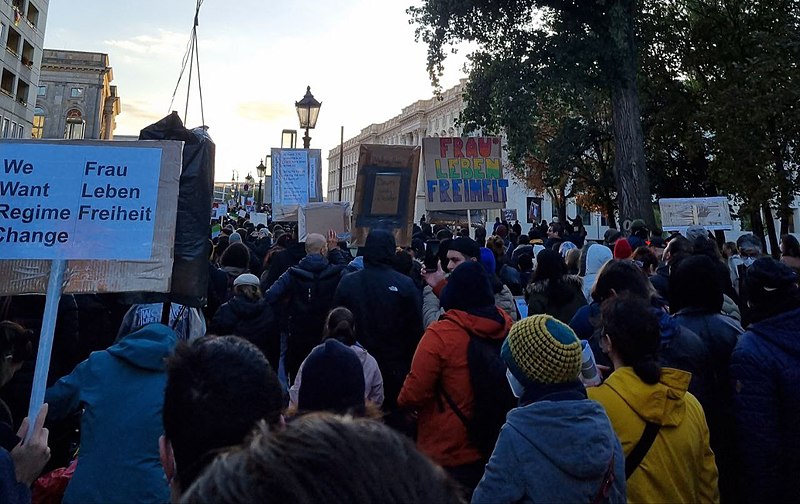
The British government has called on the authorities in Iran to stop the unfair detainment of dual nationals. This follows Tehran’s arrest of seven individuals linked to the United Kingdom over the ongoing protests.
Speaking to reporters on Wednesday, British Prime Minister Rishi Sunak’s spokesperson said the government is seeking more information on the seven individuals that were arrested over the ongoing anti-government demonstrations. Iranian state media published a statement that the Revolutionary Guards arrested seven people linked to the UK, preventing them from leaving the country. Some of the individuals arrested are British-Iranian dual nationals.
“We are urgently seeking further information from the Iranian authorities on the reports of those British-Iranian dual nationals,” said the spokesperson. “We’ve always said that we will never accept our nationals…being used for diplomatic leverage and we urge the government of Iran to stop its practice of unfairly detaining British and other foreign nationals.”
The UK’s main opposition Labour Party has called for sanctions to be imposed on organizations and individuals who are involved in the Islamic Republic’s crackdown on the protests that have been taking place across Iran since September.
“The killings and repression being carried out by the Iranian regime against courageous Iranian protesters seeking a better future is appalling,” said the party’s foreign affairs spokesperson David Lammy in a statement. “There must be an end to impunity.”
The protests erupted in September following the death of Kurdish-Iranian woman Mahsa Amini in the custody of the morality police. Amini died days after she was detained for allegedly violating the Islamic Republic’s dress code for women, sparking public outrage. Tehran has sought to blame its foreign adversaries, such as the United States and Israel, for the protests.
Also on Wednesday, Italian foreign minister Antonio Tajani said Iran must stop its executions of people arrested in connection to the protests, following a meeting with the country’s Iranian ambassador. Tajani said that executing people who participate in protests or women who refuse to wear their headscarves is not an acceptable form of punishment.
“Taking off a veil or participating in a protest is not a crime that can lead to the death penalty anywhere in the world,” said Tajani.













