


 WTI Crude Oil Prices Rise Amid Iran Conflict Uncertainty
  AI Stocks Rally in Asia as Oil Surge and Hawkish Central Banks Shake Global Markets
  Trump Signals Prolonged Blockade Strategy Against Iran Amid Rising Tensions
  Yen Weakens After Intervention Spike as Dollar Stabilizes Amid Global Tensions
  Australia Inflation Surges in March as Fuel Prices Spike Amid Middle East Conflict
  Panama Defends Port Takeover Amid U.S.-China Tensions and Canal Dispute
  Gold Prices Fall as Strong Dollar and Rising Oil Prices Pressure Markets
  Iran-U.S. Conflict Escalation Threatens Global Oil Supply and Economic Stability
  Oil Prices Ease but Remain Set for Strong April Gains Amid Middle East Tensions
  US Dollar Weakens as Yen Surges Amid Japan Intervention and Central Bank Moves
  Markets Stay Strong Despite Oil Shock Concerns as Earnings Drive Investor Confidence
  Kevin Warsh Advances Toward Fed Chair Role Amid Political Tensions
  Gold Prices Dip Ahead of Fed Decision Amid Rising Middle East Tensions
  Oil Prices Surge Near $120 as U.S.-Iran Tensions Threaten Global Supply
  Asian Markets Mixed as Fed Decision, Iran Tensions, and Inflation Data Weigh on Sentiment
  China Factory Activity Extends Growth in April Despite Global Pressures


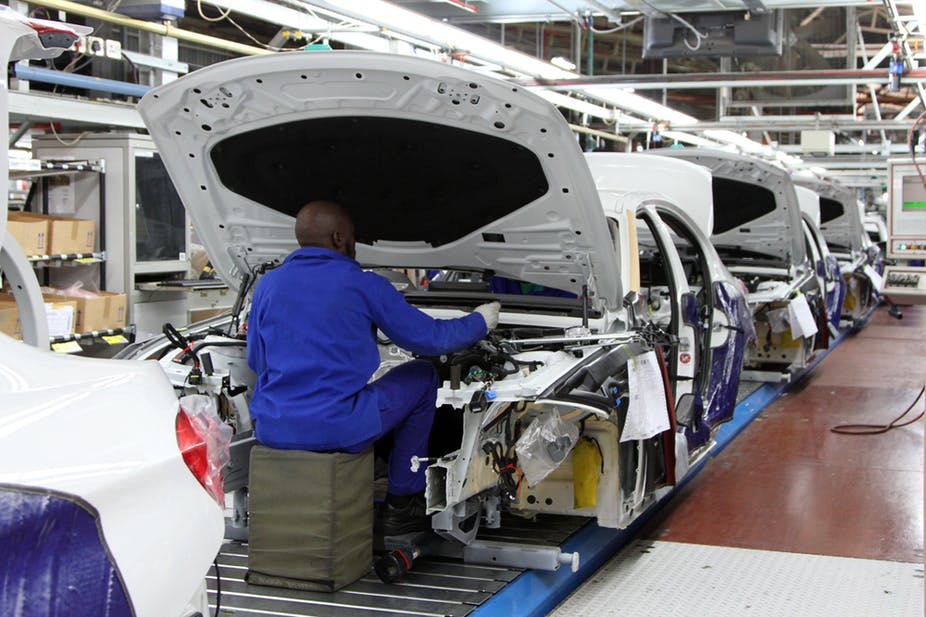
British vehicle production suffered a major setback in 2025, marking what industry leaders have described as the toughest year in a generation for the UK automotive sector. A combination of a major cyberattack, new trade tariffs, and extensive plant restructuring significantly weighed on output, according to the latest data from the Society of Motor Manufacturers and Traders (SMMT).
Total vehicle production in the UK dropped 15.5% year-on-year to 764,715 units. Car production proved relatively more resilient, declining 8% to 717,371 units, while commercial vehicle manufacturing experienced a dramatic plunge of 62.3%, falling to just 47,344 units. This steep decline highlights the uneven impact of economic and operational disruptions across different segments of the automotive industry.
One of the most significant events affecting UK vehicle manufacturing was a cyberattack on Jaguar Land Rover (JLR), the country’s largest automaker and a subsidiary of Tata Motors. The September incident forced JLR to halt production at its UK plants for six weeks, resulting in losses amounting to hundreds of millions of pounds. Production only resumed in October, exacerbating an already challenging year for the sector.
SMMT Chief Executive Mike Hawes described 2025 as an exceptionally difficult period for UK vehicle production, emphasizing that recovery will depend on reduced energy costs, the avoidance of additional trade barriers, and the development of a strong and sustainable domestic market. Despite these challenges, there were encouraging signs toward the end of the year. December car production rose 17.7%, ending a four-month streak of decline and offering cautious optimism for the industry.
The UK’s transition to electric vehicles continued to gain momentum. Production of battery electric vehicles, plug-in hybrids, and hybrid cars increased 8.3% in 2025 to a record 298,813 units, accounting for 41.7% of total vehicle output. This milestone underscores the growing importance of electric vehicle manufacturing in the UK automotive landscape.
Looking ahead, SMMT forecasts a recovery driven by next-generation electric vehicle production in Sunderland and the planned launch of seven new EV models across the UK. Car production is expected to rise by more than 10% in 2026 to around 790,000 units, with light vehicle production projected to surpass 1 million units by 2027 if new model launches remain on schedule.







