


 Global Financial Firms Shift Asia Expansion Focus to South Korea as China, India Face Caution
  RBA Minutes Signal Australia Central Bank Remains Ready to Raise Interest Rates if Inflation Persists
  Yen Falls to 40-Year Low as Markets Watch Japan Intervention and U.S. Jobs Report
  Gold Price Ends Lower for Fourth Week Despite Rebound as Fed Rate Hike Bets Strengthen
  Trump Threatens 100% Tariffs on Countries Imposing Digital Services Taxes on U.S. Tech Firms
  Oil Prices Rise as US-Iran Tensions Threaten Strait of Hormuz Oil Shipments
  Dollar Slips Ahead of Key U.S. Jobs Data as Fed Rate Outlook, ECB, and Iran Talks Shape Forex Markets
  Trump Suspends Some Morocco Fertilizer Tariffs to Ease U.S. Supply Shortage
  Trump Questions Housing Bill as He Prioritizes SAVE America Act
  Japan Targets 1%+ Real Economic Growth With ¥370 Trillion Investment Plan
  Central Banks Eye Gold, Reduce Dollar Exposure as AI Adoption Accelerates: OMFIF Survey
  Gold Prices Drop as Fed Rate Outlook and Iran Tensions Weigh on Market
  Canada Grants C$7 Million to Greenland Molybdenum Mine to Strengthen Critical Minerals Supply
  US Dollar Slips After PCE Inflation Data as Fed Rate Hike Expectations Stay Elevated
  Gold Price Hits Annual Low as Fed Rate Hike Bets and Sticky Inflation Weigh on Bullion
  US Stock Futures Steady as Investors Await Payrolls Data and Monitor Iran Tensions
  China Expands Export Controls, Adds 20 Japanese Companies to Restricted List


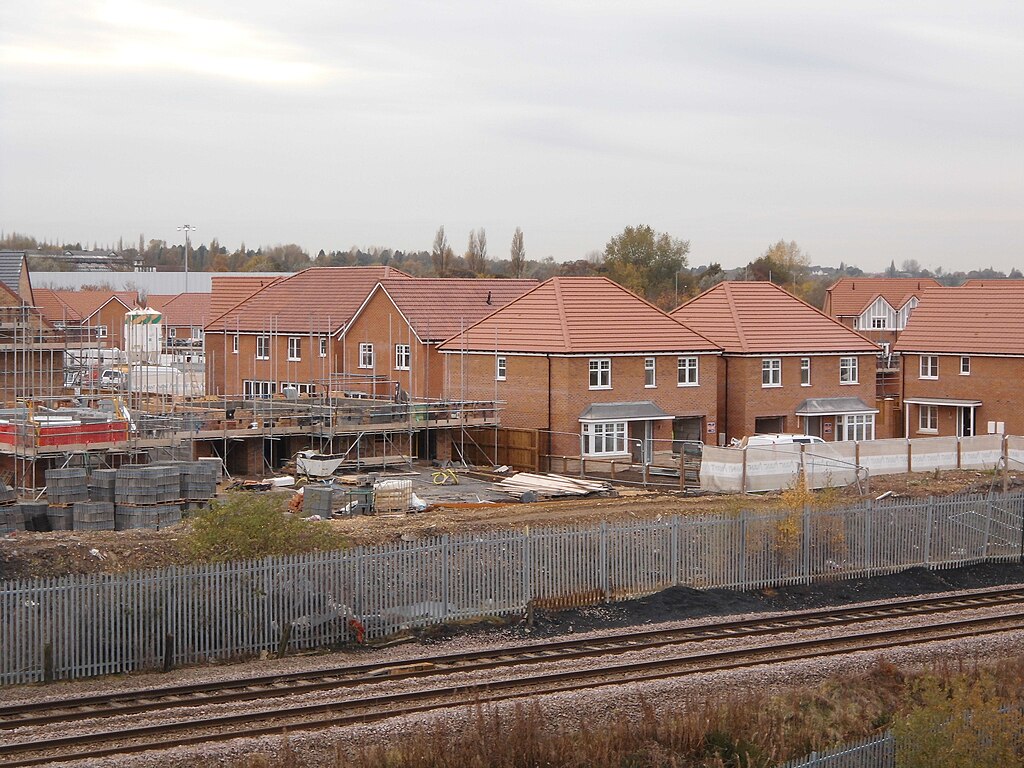
Britain’s housing market experienced its first monthly decline in house prices since December, with values falling by 0.6% in May 2026 as economic uncertainty linked to the Iran conflict weakened buyer demand, according to new data from mortgage lender Nationwide.
The monthly decrease was the sharpest drop recorded since June 2025 and exceeded economists’ expectations. A Reuters poll had forecast a more modest decline of 0.2%, highlighting the growing pressure facing the UK property market.
On an annual basis, UK house price growth also lost momentum. Nationwide reported that average house prices increased by 1.7% year-over-year in May, significantly lower than April’s 3% annual growth rate and below analysts’ forecast of 2.2%.
Robert Gardner, Nationwide’s Chief Economist, said the slowdown was largely driven by uncertainty surrounding developments in the Middle East. Rising energy costs and higher market interest rates have negatively affected consumer confidence and reduced activity among prospective homebuyers.
The ongoing Iran conflict has contributed to expectations that the Bank of England may raise interest rates later in 2026 rather than implement rate cuts. As a result, borrowing costs have increased across the mortgage market, making home purchases more expensive for many households.
Recent figures from property website Rightmove showed that the average two-year fixed mortgage rate reached 5.13%, while the average five-year fixed rate stood at 5.15%. Both rates are approximately half a percentage point higher than they were a year ago.
Additional evidence points to a cooling housing market. The Royal Institution of Chartered Surveyors (RICS) reported that surveyors observed the most widespread decline in property prices since November 2023 during April. Market sentiment and sales activity remained subdued, particularly in London and southern England, where affordability challenges continue to weigh on demand.
Meanwhile, Halifax, another major UK mortgage lender, reported a 0.1% monthly decline in house prices in April. The lender also noted that property values were only 0.4% higher than a year earlier, reinforcing signs that the UK housing market is losing momentum amid rising borrowing costs and economic uncertainty.







