


 Asian Currencies Steady as Markets Await U.S. Inflation Data
  U.S. Stock Futures Flat Ahead of July CPI Data
  Gold Price Holds Near $4,400 as Hormuz Risks and CPI Drive Markets
  Oil Prices Rise as US-Iran Talks Stall, Inflation Risks Grow
  Gold Prices Rise as Fed Rate Hike Bets Ease
  Singapore Raises 2026 GDP Growth Forecast as AI Demand Fuels Economy
  Dollar Steady as Markets Await U.S. Inflation Data
  UK Retail Sales Rise as World Cup and Heatwave Boost Food, Pubs and Clothing
  Japan Government Backs Earlier BOJ Rate Hike as Inflation Pressures Build
  S&P 500, Nasdaq Slip as Oil Jumps on Iran Tensions
  European Stocks Flat as Oil Prices Rise, US CPI in Focus
  Trump Weighs Capital Gains Tax Cuts Ahead of Midterms
  Iran War Escalates as US, Houthis Target Ships Near Key Oil Routes
  KOSPI Rebounds 20% as Samsung, SK Hynix Lead South Korea Stock Rally
  Oil Prices Rise as Hormuz Tensions Threaten Global Supply
  Australia Sets New Minimum Pay, Insurance Rules for Gig Workers
  Gold Prices Slip From Two-Month High as Inflation and Fed Outlook Drive Markets


 Add as a preferred source on Google
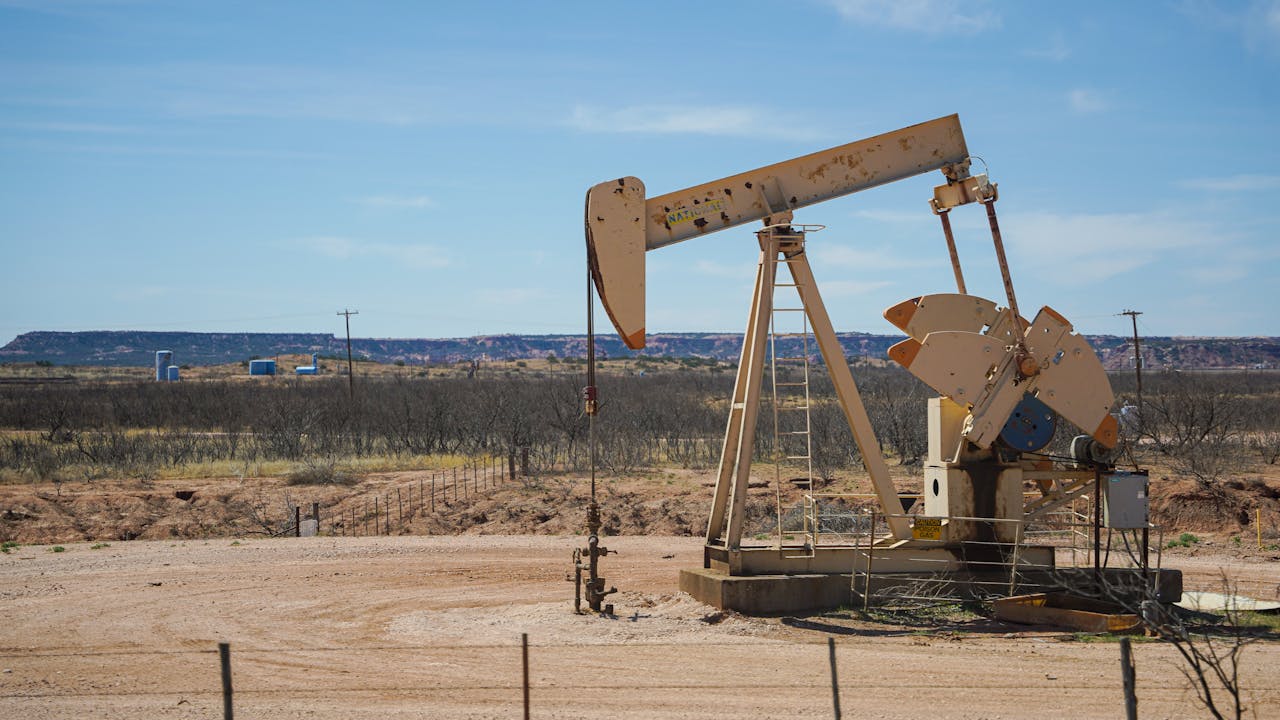
Oil prices fell sharply during Asian trading on Thursday as weaker global demand forecasts outweighed concerns over potential supply disruptions in West Asia.
Brent crude futures dropped 1.15% to $87.96 per barrel, while West Texas Intermediate (WTI) crude futures declined 1.2% to $82.24 per barrel. The losses followed a volatile Wednesday session, when conflicting statements from the U.S. and Iran over control of the Strait of Hormuz triggered sharp swings in crude oil prices.
Pressure on the oil market increased after the Organization of the Petroleum Exporting Countries (OPEC) and the International Energy Agency (IEA) lowered their oil demand outlooks.
OPEC reduced its 2026 global oil demand growth forecast to 580,000 barrels per day, marking its fourth downward revision this year. Meanwhile, the IEA projected that oil demand will fall by 1.6 million barrels per day this year, reversing its previous estimate for growth of 1 million barrels per day.
Both organizations cited slowing economic growth, tighter fuel availability and elevated energy prices linked to the U.S.-Israeli war on Iran as major risks to consumption.
U.S. inventory data added further pressure, with crude oil stockpiles unexpectedly increasing by 17.4 million barrels last week. However, separate figures indicated a significant decline in the U.S. Strategic Petroleum Reserve.
Despite Thursday's decline, oil prices remained higher over the past week as geopolitical risks continued to support the market. Washington and Tehran have both claimed control over the Strait of Hormuz, while shipping activity in the region has largely stalled following intensified military action in late July and early August.
The Strait of Hormuz remains crucial to global oil supply, having handled roughly 20% of worldwide oil consumption before the Iran conflict. Supply concerns have also intensified after Yemen's Iran-backed Houthis resumed attacks on vessels in the Red Sea and Bab el-Mandeb Strait.
With weaker oil demand forecasts competing against persistent geopolitical and shipping risks, crude markets could remain volatile as traders assess the outlook for global supply and consumption.







