


 Trump Says U.S. Navy Destroyers Passed Strait of Hormuz Under Iranian Fire
  Russian LNG Shadow Fleet Expands Amid Arctic LNG 2 Sanctions
  Trump Announces Russia-Ukraine Ceasefire for May 9-11 Amid Ongoing Peace Talks
  Trump-Xi Beijing Summit to Focus on Trade, Taiwan, and Boeing Deal
  TikTok Nears $400 Million Settlement With Trump Administration Over Child Privacy Lawsuit
  Ukraine-Russia Ceasefire Confirmed as Prisoner Swap Deal Advances
  Iran Accuses U.S. of Violating Strait of Hormuz Ceasefire with Ship and Coastal Attacks
  US Launches Retaliatory Strikes on Iran Amid Rising Strait of Hormuz Tensions
  Trump Invites Top CEOs Including Nvidia, Apple, Boeing to China Summit With Xi Jinping
  Rubio Presses Italy Over Iran Support as Tensions Test U.S.-Italy Alliance
  Pope Leo Calls for Peace as Vatican Seeks Better Ties With U.S.
  Trump Reportedly Approves Plan to Remove FDA Commissioner Marty Makary Amid Growing Controversies
  Trump Administration Releases New UFO Files and Apollo Mission Records
  Judge Delays SEC Settlement With Elon Musk Over Twitter Stock Disclosure Case
  US Reviews Mexican Consulates Amid Rising Diplomatic Tensions
  Trump Inspects Lincoln Memorial Reflecting Pool Renovation in Washington
  Mexico President Claudia Sheinbaum Reconsiders Early School Closure Plan Ahead of 2026 World Cup


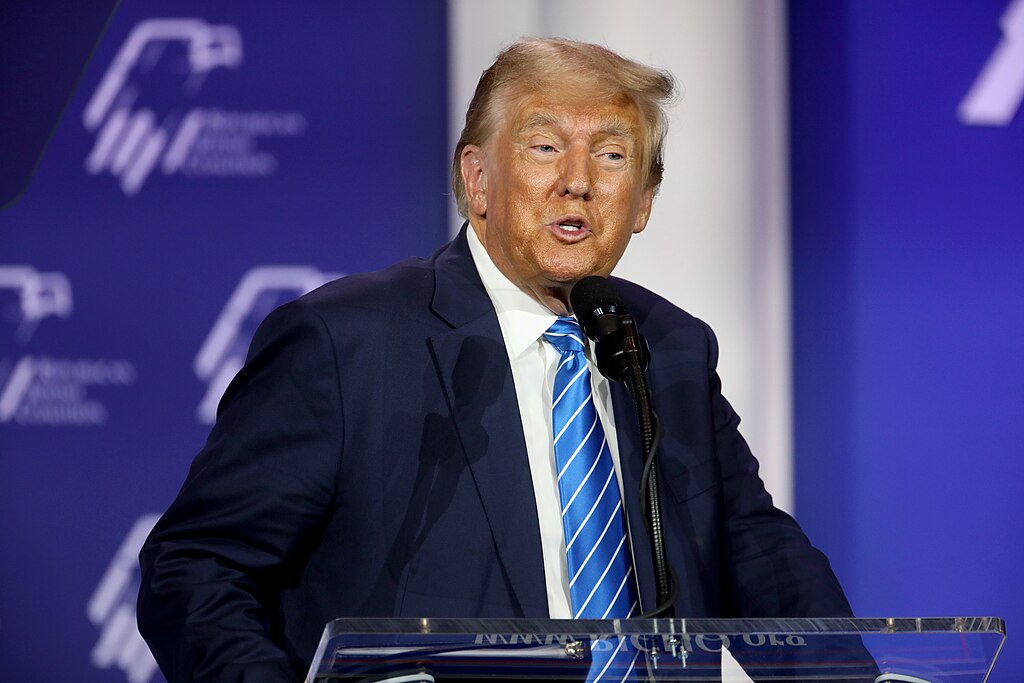
Former President Donald Trump sparked controversy on Monday when he suggested that Mexico and Canada could be annexed as U.S. states. The statement, made during a campaign stop in Iowa, has fueled debates about international relations and trade agreements. Trump argued that both countries benefit excessively from U.S. subsidies, proposing that statehood could balance the scales.
Trump’s Controversial Statement on Mexico and Canada
Speaking to a packed auditorium of supporters, Trump reiterated his criticism of the United States’ financial involvement with neighboring nations. “If Mexico and Canada are going to keep taking billions in subsidies from us, why not make them states?” he questioned. The remarks, delivered with Trump’s characteristic bravado, drew applause from the audience but sent ripples through diplomatic circles.
Trump has long criticized the North American trade relationship, particularly under the United States-Mexico-Canada Agreement (USMCA), which replaced NAFTA. The former president claims that U.S. taxpayers bear an unfair burden, subsidizing industries and economies in Mexico and Canada without receiving equivalent benefits. This latest proposal, however, marks a significant departure from traditional trade rhetoric.
While the suggestion appears more rhetorical than actionable, critics argue it undermines the spirit of cooperation between the three nations. Trump’s comments come amid heightened tensions over trade disputes and border security, issues that have been central to his campaign.
Diplomatic and Public Reactions
International leaders quickly condemned Trump’s remarks. Canadian Prime Minister Justin Trudeau dismissed the statement as “preposterous,” emphasizing the importance of mutual respect in diplomatic relations. Mexican President Andrés Manuel López Obrador also criticized the comments, calling them “an insult to our sovereignty.”
Back home, lawmakers and political analysts expressed mixed reactions. Senator Elizabeth Warren called Trump’s proposal “reckless and dangerous,” while conservative commentator Tucker Carlson labeled it “an interesting way to address economic imbalances.”
Social Media Erupts with Divided Opinions
Trump’s comments ignited fierce debates online, with social media platforms buzzing with opinions. The hashtag #TrumpAnnexation trended for hours as users weighed in on the proposal.
- @FreedomFirst89: “Trump is right! Why should the U.S. keep footing the bill for Mexico and Canada? #TrumpAnnexation”
- @DiplomatDiva: “This is the most absurd thing I’ve ever heard. Trump has zero understanding of international diplomacy. #Ridiculous”
- @AmericaStrong: “Love him or hate him, Trump always shakes things up. At least he’s asking the hard questions! #AnnexationDebate”
- @MapleLeafPride: “Canada will never be a U.S. state. Keep dreaming, Trump. #SovereigntyMatters”
- @BorderIssues2024: “Trump might have a point. Our trade policies have been lopsided for too long. #TimeForChange”
- @VivaMexico123: “Mexicans will NEVER agree to this insanity. This is an insult to our independence. #TrumpFail”
Implications for U.S. Foreign Policy
Trump’s statement, though likely hyperbolic, raises questions about the future of U.S. foreign policy under his potential leadership. Analysts warn that such rhetoric could strain relationships with key allies and jeopardize existing trade agreements. While Trump’s supporters applaud his boldness, critics fear his approach could harm the United States’ standing on the global stage.
As Trump continues his campaign, his comments are expected to remain a focal point of media coverage. Whether this proposal gains traction or fades into political rhetoric remains to be seen.







