


 Trump Reportedly Approves Plan to Remove FDA Commissioner Marty Makary Amid Growing Controversies
  Israeli Strikes in Gaza Kill Three as Ceasefire Tensions Continue
  Trump Administration Releases New UFO Files and Apollo Mission Records
  Mexico President Claudia Sheinbaum Reconsiders Early School Closure Plan Ahead of 2026 World Cup
  Pope Leo Calls for Peace as Vatican Seeks Better Ties With U.S.
  China-Made Fireworks Power U.S. Independence Day Celebrations Amid Trade Truce
  Judge Rules DOGE Humanities Grant Cuts Unconstitutional
  Israel’s Secret Iraq Base Allegedly Supported Iran Air Campaign, WSJ Reports
  Germany Rejects Putin’s Proposal for Schroeder to Mediate Ukraine Peace Talks
  Trump Invites Top CEOs Including Nvidia, Apple, Boeing to China Summit With Xi Jinping
  Trump Announces Russia-Ukraine Ceasefire for May 9-11 Amid Ongoing Peace Talks
  Vietnam Plans AI-Driven Propaganda Push With Influencers and Podcasts
  Judge Delays SEC Settlement With Elon Musk Over Twitter Stock Disclosure Case
  Russian LNG Shadow Fleet Expands Amid Arctic LNG 2 Sanctions
  Qatar Condemns Drone Strike as Iran Conflict Threatens Gulf Shipping and Global Markets
  Rubio Presses Italy Over Iran Support as Tensions Test U.S.-Italy Alliance
  Russia Accuses Ukraine of Ceasefire Violations Amid Drone and Artillery Attacks


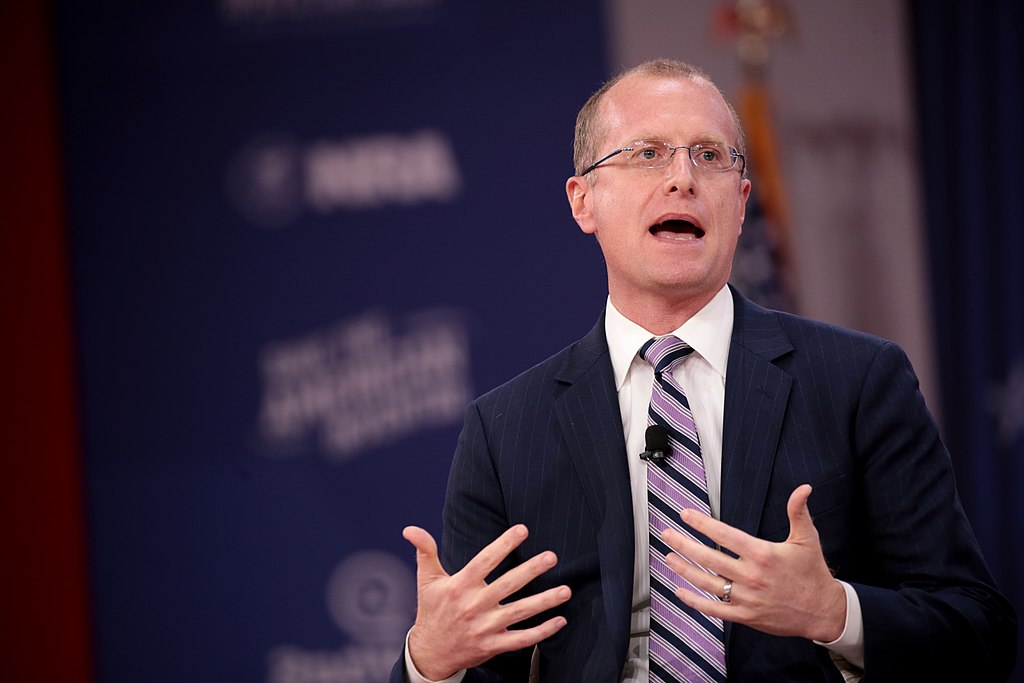
As President-elect Donald Trump continues to shape his incoming administration, his pick for Federal Communications Commission (FCC) chair, Brendan Carr, has ignited a firestorm of controversy. Carr, who currently serves as an FCC commissioner, has taken a strong stance against what he calls a "censorship cartel" within the Big Tech industry, targeting companies such as Facebook, Google, Apple, and Microsoft. His bold statements come amid mounting concerns over free speech and the influence of tech giants on American society.
In recent remarks, Carr asserted that the monopoly power wielded by major tech platforms poses a grave threat to free expression and democratic discourse. He called for a comprehensive strategy to dismantle what he described as a censorship regime. While his comments have resonated with some as a necessary step to protect First Amendment rights, others view them as a potential overreach that could disrupt innovation and competition in the tech sector.
A Clear Mandate on Big Tech Reform
Carr’s nomination is seen by many as a signal of the Trump administration’s intention to overhaul the way Big Tech operates. His proposals include increasing transparency around content moderation policies, ensuring fairness in algorithms, and scrutinizing the relationships between government agencies and tech companies. Critics of Carr’s stance argue that the proposed regulations could lead to government overreach, stifling innovation and potentially politicizing regulatory decisions.
The FCC nominee has long been a vocal critic of Big Tech practices. In his tenure as an FCC commissioner, Carr championed initiatives aimed at reducing the power of tech monopolies and amplifying voices often censored under vague community guidelines. His focus on dismantling Big Tech’s grip has drawn both praise and skepticism from across the political spectrum.
Pushback and Concerns From Industry Leaders
Major tech companies have not taken Carr’s remarks lightly. Executives from Facebook and Google have expressed concerns about the potential impact of his policies on their platforms. "Regulation should aim to protect consumers without stifling innovation," one industry representative stated. The tech sector fears that dismantling large companies could lead to unintended consequences, such as reduced access to critical digital services.
Despite these criticisms, Carr’s proposals have struck a chord with conservative voters who have long criticized perceived biases in content moderation policies. His remarks align closely with Trump’s broader agenda of confronting corporate power and addressing the influence of technology on public discourse.
What Lies Ahead?
As Carr prepares for confirmation hearings, his nomination is expected to face significant scrutiny from both sides of the aisle. Questions remain about how his policies would be implemented and whether they could withstand legal challenges. Nonetheless, his rhetoric signals a shift in how the federal government may address the growing influence of Big Tech.
With the FCC poised to play a pivotal role in shaping the digital landscape, Carr’s nomination sets the stage for a contentious battle over the future of free speech and corporate accountability in America.







