


 Oil Prices Climb as Iran Reviews U.S. Peace Proposal Amid Middle East Tensions
  Gold Prices Surge on U.S.-Iran Ceasefire Reports
  Trump's Overhaul of American History: Museums, Monuments, and Cultural Institutions
  U.S. Stock Futures Steady as Iran Reviews U.S. Ceasefire Proposal
  U.S. Futures Slide as Iran Denies Nuclear Talks with Washington
  Trump Says Iran Offered Major Energy Concession Amid Ongoing Negotiations
  Asian Currencies Stay Muted as Dollar Holds Firm Amid Iran Uncertainty
  Russia Strikes Kharkiv and Izmail as Cross-Border Drone War Escalates
  UK Consumer Confidence Weakens Amid Middle East Conflict and Rising Living Costs
  U.S. Oil Prices Slide as Middle East Ceasefire Talks Spark Market Optimism
  Iran Demands Lebanon Be Part of Any Ceasefire Deal With Israel and the U.S.
  US-Iran Ceasefire Talks Underway: What You Need to Know
  FEMA Reinstates $1 Billion Disaster Prevention Grant Program After Court Order
  Bank of Japan Officials Signal Continued Interest Rate Hikes Amid Inflation Concerns
  Iran-Israel Missile Strikes Continue Amid Mixed Signals on U.S.-Iran Diplomacy
  Trump Seeks Quick End to U.S.-Iran Conflict Amid Ongoing Middle East Tensions


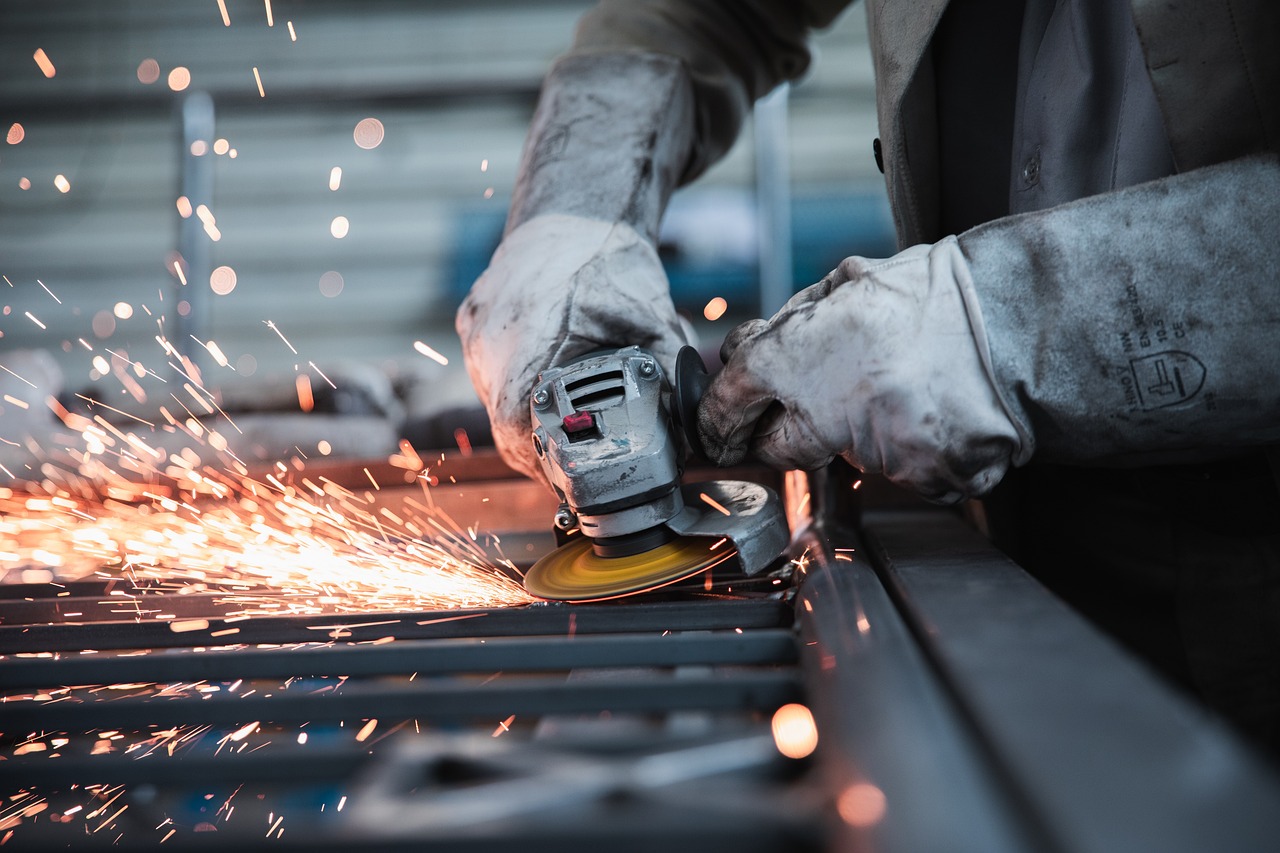
US President Trump’s proposed 25% tariffs on steel and aluminum imports could disrupt Asia’s trade landscape, with Vietnam and South Korea among the most affected, according to ING Group strategists. Vietnam’s steel and aluminum exports to the US accounted for 0.3% of its GDP in 2024, making it highly vulnerable. Its role as a key processor of Chinese semi-finished steel for re-export amplifies the risk.
South Korea, while currently benefiting from a tariff-free quota, has room to negotiate given its exports remain below the set limits. The broader impact of Trump's protectionist stance is expected to hit North Asia hardest, particularly China, Korea, and Vietnam, which rely on US demand and maintain large trade surpluses.
Trump’s push for domestic hi-tech production could further strain Asia’s key exporters of semiconductors, AI, and new energy products, including Japan and Taiwan. In contrast, India and the Philippines face lower risks due to their domestically driven economies, though outsourcing and software services could suffer if tariffs extend to services trade.
Malaysia, Thailand, and Indonesia face moderate exposure. Malaysia and Thailand benefit from shifts in supply chains in semiconductors and autos, while Indonesia’s EV sector risks setbacks due to potential policy changes. The rising reliance of ASEAN nations on China, which now accounts for 26% of their imports, adds another layer of complexity.
Electronics remain the most vulnerable sector, with Vietnam’s growing role in US electronics exports and Malaysia’s integrated circuits supply chain at risk. However, increased US foreign direct investment (FDI) in ASEAN and India may offer some resilience. Companies like Intel, Apple, and Google are expanding in Vietnam, Malaysia, and Thailand, signaling potential long-term benefits despite immediate challenges.













