


 FEMA Reinstates Employees After Dissent Letter, Signaling Shift in Workforce Stability
  CDC Monitors U.S. Travelers After Hantavirus Outbreak on Luxury Cruise Ship
  Brazil Pension Fund Crackdown After Banco Master Collapse Raises Investment Concerns
  Senate Stablecoin Bill Sparks Clash Between Banks and Crypto Industry
  Qatar Condemns Drone Strike as Iran Conflict Threatens Gulf Shipping and Global Markets
  Australia Targets Meta, Google, and TikTok With New News Payment Tax Proposal
  Trump Administration Releases New UFO Files and Apollo Mission Records
  Ukraine-Russia Ceasefire Confirmed as Prisoner Swap Deal Advances
  U.S., South Korea Launch Shipbuilding Partnership Initiative
  Rubio Approves $25.8 Billion Weapons Sale to Middle East Allies
  Federal and State Authorities Conduct Widespread Fraud Raids Across Minnesota
  Australia Launches Public Hearings on Bondi Beach Shooting and Rising Antisemitism
  Germany Rejects Putin’s Proposal for Schroeder to Mediate Ukraine Peace Talks
  China Banks Halt New Loans to Sanctioned Refineries Amid U.S.-Iran Oil Crackdown
  Judge Rules DOGE Humanities Grant Cuts Unconstitutional
  New York Moves to Ban Masked Law Enforcement During Immigration Operations


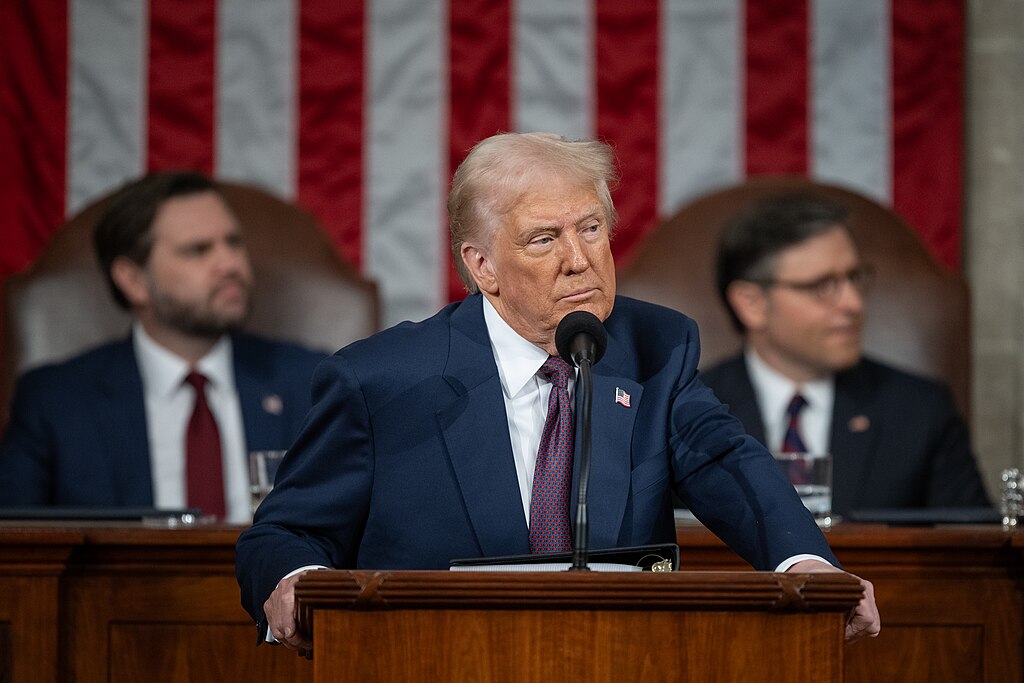
President Donald Trump announced he will sign an executive order this week aimed at dismantling what he calls “domestic terrorism networks.” The move follows the recent assassination of conservative activist Charlie Kirk, which Trump has repeatedly linked—without evidence—to left-wing groups he claims are inciting violence against conservatives.
In a post on Truth Social, Trump wrote, “The continuing violence from Radical Left Terrorists, in the aftermath of Charlie Kirk’s assassination, must be stopped.” He pledged swift action through an executive order that will expand federal authority to pursue groups he believes are behind recent unrest.
The announcement came the same day a gunman opened fire at an Immigration and Customs Enforcement (ICE) field office in Dallas, killing one detainee and injuring two others. ICE has been at the center of Trump’s immigration crackdown, which has faced sharp criticism from Democrats and human rights advocates.
Trump has previously suggested using the Racketeer Influenced and Corrupt Organizations (RICO) Act to bring charges against alleged extremist groups. The RICO Act, designed to fight organized crime, could provide prosecutors with broader tools to pursue political movements that the administration deems dangerous. He has said he consulted with Attorney General Pam Bondi about this approach.
On Monday, Trump signed a separate executive order designating the anti-fascist movement, known as antifa, as a “domestic terrorist organization.” According to the Anti-Defamation League, however, antifa is not a centralized group but rather a loose network of activists. Critics argue that labeling it a terrorist group is both legally questionable and politically motivated.
Democrats and civil liberties advocates have warned that Trump is using Kirk’s death as a pretext to silence political opposition and expand crackdowns on dissent. Experts on domestic extremism caution that violence in the U.S. is not confined to the political left, noting that right-wing ideology has historically inspired more attacks.
This latest executive order underscores Trump’s broader narrative framing political violence as a left-wing problem while minimizing threats posed by right-wing groups.







