


 Trump Signs Executive Order Threatening 25% Tariffs on Countries Trading With Iran
  Japan Election 2026: Sanae Takaichi Poised for Landslide Win Despite Record Snowfall
  Trump Backs Nexstar–Tegna Merger Amid Shifting U.S. Media Landscape
  Trump Endorses Japan’s Sanae Takaichi Ahead of Crucial Election Amid Market and China Tensions
  U.S. Lawmakers to Review Unredacted Jeffrey Epstein DOJ Files Starting Monday
  US Pushes Ukraine-Russia Peace Talks Before Summer Amid Escalating Attacks
  Trump Says “Very Good Talks” Underway on Russia-Ukraine War as Peace Efforts Continue
  Pentagon Ends Military Education Programs With Harvard University
  China Warns US Arms Sales to Taiwan Could Disrupt Trump’s Planned Visit
  Trump’s Inflation Claims Clash With Voters’ Cost-of-Living Reality
  Missouri Judge Dismisses Lawsuit Challenging Starbucks’ Diversity and Inclusion Policies
  Trump Allows Commercial Fishing in Protected New England Waters
  TrumpRx.gov Highlights GLP-1 Drug Discounts but Offers Limited Savings for Most Americans
  TrumpRx Website Launches to Offer Discounted Prescription Drugs for Cash-Paying Americans
  Trump Signs “America First Arms Transfer Strategy” to Prioritize U.S. Weapons Sales
  Ohio Man Indicted for Alleged Threat Against Vice President JD Vance, Faces Additional Federal Charges
  Federal Judge Restores Funding for Gateway Rail Tunnel Project


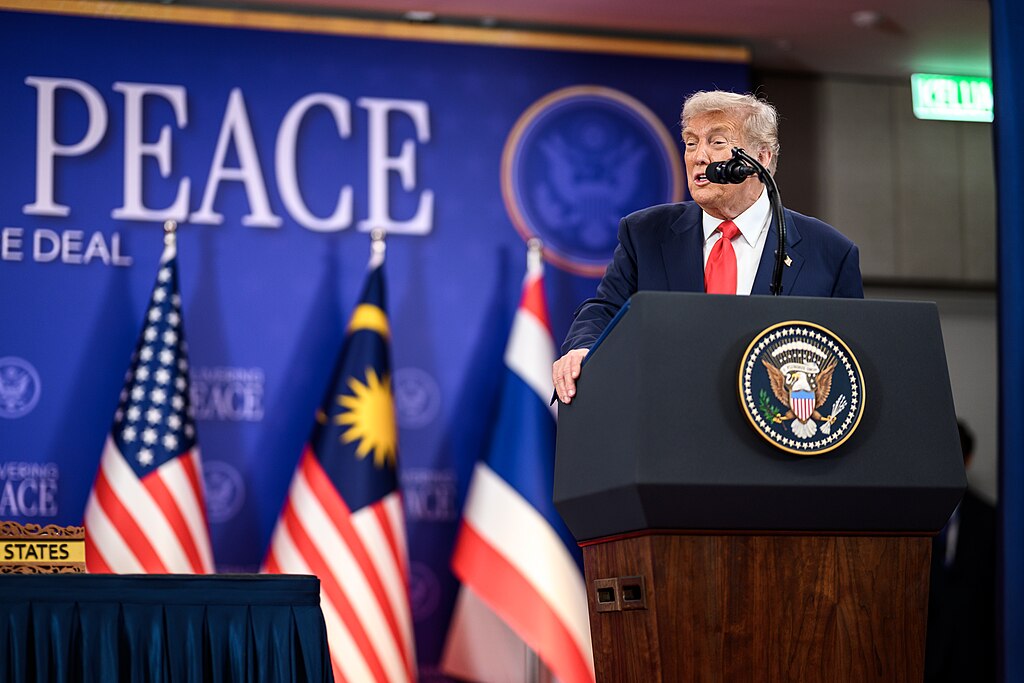
U.S. President Donald Trump has withdrawn an invitation for Canada to join his proposed “Board of Peace” initiative, a move that has sparked attention amid ongoing discussions about global diplomacy and international cooperation. The decision was announced on Thursday through a post on Trump’s Truth Social platform and was directed at Canadian Prime Minister Mark Carney.
In his message, Trump stated that the Board of Peace was rescinding its invitation for Canada’s participation, describing the initiative as what would become “the most prestigious Board of Leaders ever assembled, at any time.” The post emphasized Trump’s belief in the significance and exclusivity of the proposed board, which he has framed as a forum aimed at resolving major global conflicts and promoting international stability.
The Board of Peace initiative, according to Trump’s previous remarks, is intended to bring together influential world leaders to address geopolitical tensions, wars, and diplomatic disputes. While details about the structure, membership, and authority of the board remain limited, Trump has repeatedly highlighted it as a cornerstone of his vision for global peace and leadership-driven conflict resolution.
The withdrawal of Canada’s invitation introduces new questions about U.S.-Canada relations and the broader international response to the initiative. Canada has long been regarded as a key U.S. ally, particularly in areas such as security cooperation, trade, and multilateral diplomacy. The public nature of the announcement has also drawn attention to the evolving dynamic between Trump and Prime Minister Carney.
Political analysts note that the decision could have implications for how other countries perceive the Board of Peace and their potential willingness to participate. Some observers see the move as part of Trump’s broader communication strategy, while others interpret it as a signal of shifting priorities within his foreign policy approach.
As global conflicts continue to dominate international headlines, Trump’s Board of Peace proposal remains a topic of debate. Whether the initiative will gain traction among world leaders, and how the exclusion of Canada may affect its credibility, are questions that continue to generate discussion among policymakers and the public alike.













