


 Trump Administration Spent $5.6 Billion in Munitions in Opening Days of Iran Strikes
  After the Iran war, Persian Gulf nations face tough decisions on the US – a former diplomat explains
  Japan's BOJ Independence Under Fire as PM Takaichi's Rate Stance Draws Political Heat
  Anthropic Sues Pentagon Over AI Blacklist, Citing Free Speech Violations
  Dollar Strengthens Amid Oil Price Surge and Inflation Fears
  Oil Prices Surge Toward $100/Barrel After Tanker Attacks in Iraqi Waters
  Iran Mines Strait of Hormuz: Crude Oil Prices Surge Amid Middle East Tensions
  Nations will release an extra 400 million barrels of oil to the market. All we need to do now is not panic at the pump
  IEA Releases Record 400 Million Barrels of Oil Amid U.S.-Iran War
  RBA Rate Decision: Deputy Governor Signals Genuine Debate Ahead of March Meeting
  Asian Stock Markets Rise as Oil Prices Pull Back; U.S. CPI in Focus
  U.S.-Israel War on Iran Sends Crude Oil Prices Surging Amid Strait of Hormuz Tensions
  Venezuela Names Paula Henao as New Oil Minister Amid U.S.-Led Industry Overhaul
  Asian Currencies Face Pressure as U.S.-Iran Conflict Weighs on Markets
  Shots Fired at U.S. Consulate in Toronto in Suspected National Security Incident
  Trump Administration Launches Trade Investigations Against 16 Countries Over Industrial Overcapacity


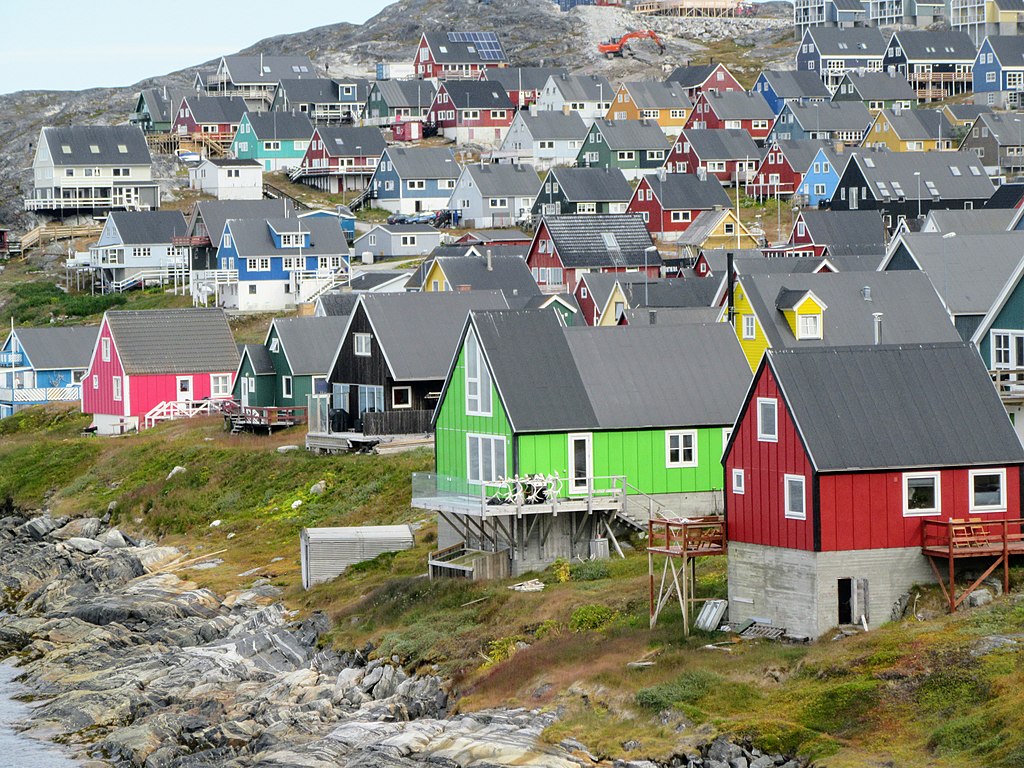
U.S. President Donald Trump has escalated tensions with key European allies by threatening a new wave of rising tariffs unless the United States is allowed to purchase Greenland, a self-governing territory of Denmark. In a post on Truth Social, Trump said he would impose additional 10% import tariffs starting February 1 on goods from Denmark, Norway, Sweden, France, Germany, the Netherlands, Finland, and Great Britain. These countries are already subject to existing U.S. tariffs, and Trump said the new levies would rise to 25% by June 1 if no agreement is reached.
Trump has repeatedly stated that he will accept nothing less than full U.S. ownership of Greenland, citing national security interests and the island’s significant mineral resources. Greenland’s strategic Arctic location has long drawn attention from global powers, including China and Russia. However, leaders in Denmark and Greenland have firmly rejected the idea, insisting the territory is not for sale and that its people do not want to join the United States.
The tariff threat has drawn strong reactions across Europe. Denmark’s Foreign Minister Lars Lokke Rasmussen said the announcement came as a surprise, while British Prime Minister Keir Starmer condemned the move, calling tariffs on NATO allies “completely wrong.” European Commission President Ursula von der Leyen and European Council President Antonio Costa voiced full solidarity with Denmark and Greenland, warning that such measures could undermine transatlantic relations and trigger a damaging trade spiral.
The dispute risks derailing tentative trade deals previously reached between the U.S., the European Union, and Great Britain. Trade experts warn that targeting specific EU countries could convince European lawmakers that U.S. agreements are unreliable. Meanwhile, protests erupted in Denmark and Greenland, with demonstrators calling for the island’s right to self-determination.
Despite Trump’s claims, European officials note that Greenland is already protected under NATO’s collective defense pact and hosts a U.S. military base under a long-standing agreement. Critics argue the threat reflects territorial ambitions more than security concerns, warning that divisions among allies could ultimately benefit rival powers.













