


 Trump Congratulates Japan’s First Female Prime Minister Sanae Takaichi After Historic Election Victory
  Bangladesh Election 2026: A Turning Point After Years of Political Suppression
  U.S. Stock Futures Rise as Markets Brace for Jobs and Inflation Data
  Asian Currencies Stay Rangebound as Yen Firms on Intervention Talk
  India–U.S. Interim Trade Pact Cuts Auto Tariffs but Leaves Tesla Out
  Trump’s Inflation Claims Clash With Voters’ Cost-of-Living Reality
  Russian Stocks End Mixed as MOEX Index Closes Flat Amid Commodity Strength
  Sydney Braces for Pro-Palestine Protests During Israeli President Isaac Herzog’s Visit
  Antonio José Seguro Poised for Landslide Win in Portugal Presidential Runoff
  Jack Lang Resigns as Head of Arab World Institute Amid Epstein Controversy
  Taiwan Says Moving 40% of Semiconductor Production to the U.S. Is Impossible
  Asian Stocks Slip as Tech Rout Deepens, Japan Steadies Ahead of Election
  Nicaragua Ends Visa-Free Entry for Cubans, Disrupting Key Migration Route to the U.S.
  Trump Allows Commercial Fishing in Protected New England Waters
  Trump Signs Executive Order Threatening 25% Tariffs on Countries Trading With Iran
  Japan Economy Poised for Q4 2025 Growth as Investment and Consumption Hold Firm
  Trump Slams Super Bowl Halftime Show Featuring Bad Bunny


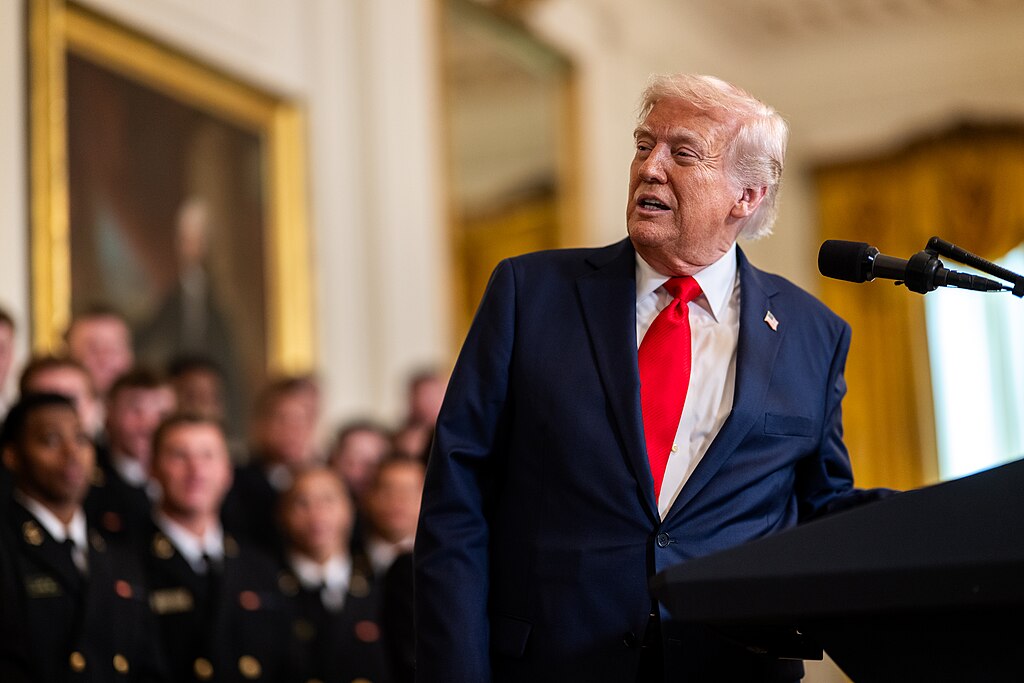
U.S. President Donald Trump has reignited trade tensions by threatening to impose a 30% tariff on imports from the European Union and Mexico starting August 1. The move, announced via letters to EU Commission President Ursula von der Leyen and Mexican President Claudia Sheinbaum, follows stalled trade talks with key U.S. partners.
The EU and Mexico called the proposed tariffs unfair and economically disruptive, though both signaled a willingness to continue negotiations. Sheinbaum emphasized maintaining a "cool head" and reaffirmed Mexico’s commitment to national sovereignty. Mexico, which sends over 80% of its exports to the U.S., faces a lower 30% rate than Canada’s 35%, with Trump citing fentanyl trafficking as a factor—despite U.S. data showing the majority of fentanyl originates from China and crosses the southern border.
Trump also sent similar letters to 23 other trading partners, including Canada, Japan, and Brazil, with blanket tariffs ranging from 20% to 50%. Existing tariffs on steel, aluminum, and automobiles remain unaffected. While markets are wary of escalation, some analysts recall Trump’s history of backing down from previous tariff threats.
EU officials warned of possible countermeasures. Von der Leyen said the tariffs would disrupt transatlantic supply chains and vowed to defend EU interests. European lawmakers, led by trade committee head Bernd Lange, urged swift retaliation. Germany supports a quick deal, but France opposes one-sided concessions.
Trump's renewed trade push has already generated over $100 billion in customs duties this fiscal year, according to the U.S. Treasury. However, allies like Japan and Canada are reconsidering their security and economic reliance on the U.S., signaling broader geopolitical shifts as Trump’s protectionist policies reshape global alliances.













