


 North Korea Vows to Expand Nuclear Arsenal Amid U.S.-Led Military Buildup
  Najib Razak Granted House Arrest Until 2028
  US Delegation Visits Myanmar, Secures Release of American Adam Castillo
  ICE Agent Arrested in Minneapolis Over Venezuelan Man Shooting
  Mexico Pushes for US Trade Deal Before Midterms
  US Allies Fear Trump Could Soften Taiwan Stance in Xi Talks
  FBI, Coast Guard Board Ships After Cyberattacks
  Russian Attack on Balakliia Kills Two, Injures Two
  Venezuela Nears Deal to Move $4 Billion in Gold to New York Fed
  Australia Tightens Student Visa Rules, Targets Migration Cut by 2028
  US-China Experts Push AI Nuclear Safeguards to Prevent Military Escalation
  Yemen Fighting Threatens Red Sea Oil Routes
  Iran Economic Crisis Forces Afghan Families to Return Home
  Trump Eyes End to Iran War, Plans Gulf Leaders Meeting
  Pentagon Restarts Testosterone Testing for US Troops
  Trump Hopes Iran War Nears End as Yemen Fighting Escalates


 Add as a preferred source on Google
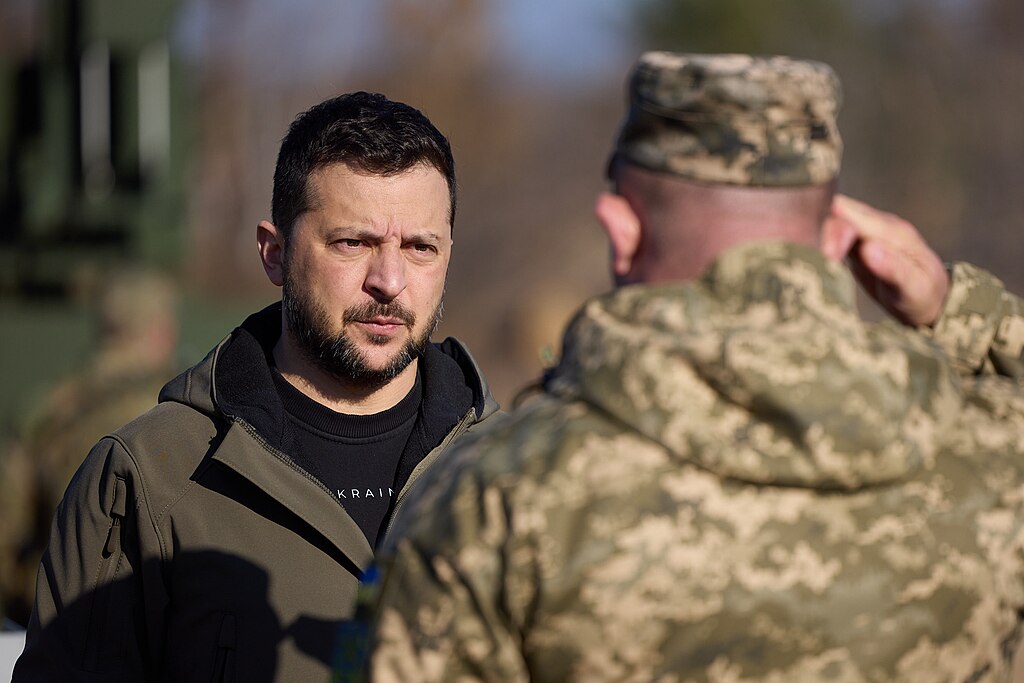
Ukraine said its military damaged 21 Russian tankers carrying crude oil and petroleum products during overnight drone strikes in the Sea of Azov, marking one of Kyiv's most significant attacks on Russia's energy transport infrastructure since the war began.
According to Ukraine's General Staff, the operation also damaged four tugboats, two cargo ships, and a dredging vessel. The strikes are part of Ukraine's broader campaign to disrupt Russia's fuel supply chain by targeting refineries, fuel depots, and energy logistics that support Moscow's military operations. Ukrainian officials argue these attacks have already contributed to fuel shortages in parts of Russia.
Russia, however, disputed Kyiv's account, saying only four vessels were attacked. Regional authorities reported that one person was killed during the Ukrainian drone assault.
The attacks came as Russia launched another large-scale missile and drone strike across Ukraine overnight. Ukrainian officials said at least six people, including a child, were killed, while 29 others were injured.
In the northeastern Sumy region, regional governor Oleh Hryhorov said two Russian glide bombs struck a crowded civilian area, killing four people, including a child.
Ukrainian President Volodymyr Zelenskyy said Russia fired 12 missiles, including six ballistic missiles, along with 121 drones. Ukraine's air defense forces said they intercepted or electronically jammed 111 drones and two missiles. Despite those efforts, direct strikes were recorded at 11 locations, highlighting Ukraine's continued challenges in defending against ballistic missile attacks.
Russia's Defense Ministry said its overnight strikes targeted Ukrainian drone production facilities in Kyiv and port infrastructure in the Odesa region, including the ports of Izmail and Chornomorsk.
Moscow also claimed its air defense systems intercepted 178 Ukrainian drones across eight Russian regions, as well as over Russian-occupied Crimea and the Black and Azov seas.
The latest exchange of attacks underscores the escalating aerial conflict between the two countries, with both sides increasingly targeting energy infrastructure, military facilities, and strategic logistics as the war continues.







