


 Asian Stocks Slip as Tech Rout Deepens, Japan Steadies Ahead of Election
  Trump Lifts 25% Tariff on Indian Goods in Strategic U.S.–India Trade and Energy Deal
  Trump Backs Nexstar–Tegna Merger Amid Shifting U.S. Media Landscape
  Norway Opens Corruption Probe Into Former PM and Nobel Committee Chair Thorbjoern Jagland Over Epstein Links
  Dollar Near Two-Week High as Stock Rout, AI Concerns and Global Events Drive Market Volatility
  Pentagon Ends Military Education Programs With Harvard University
  Trump Endorses Japan’s Sanae Takaichi Ahead of Crucial Election Amid Market and China Tensions
  Russian Stocks End Mixed as MOEX Index Closes Flat Amid Commodity Strength
  Global Markets Slide as AI, Crypto, and Precious Metals Face Heightened Volatility
  Netanyahu to Meet Trump in Washington as Iran Nuclear Talks Intensify
  TrumpRx.gov Highlights GLP-1 Drug Discounts but Offers Limited Savings for Most Americans
  South Korea Assures U.S. on Trade Deal Commitments Amid Tariff Concerns
  Vietnam’s Trade Surplus With US Jumps as Exports Surge and China Imports Hit Record
  U.S.-India Trade Framework Signals Major Shift in Tariffs, Energy, and Supply Chains
  Japan Economy Poised for Q4 2025 Growth as Investment and Consumption Hold Firm
  Fed Governor Lisa Cook Warns Inflation Risks Remain as Rates Stay Steady
  Trump’s Inflation Claims Clash With Voters’ Cost-of-Living Reality


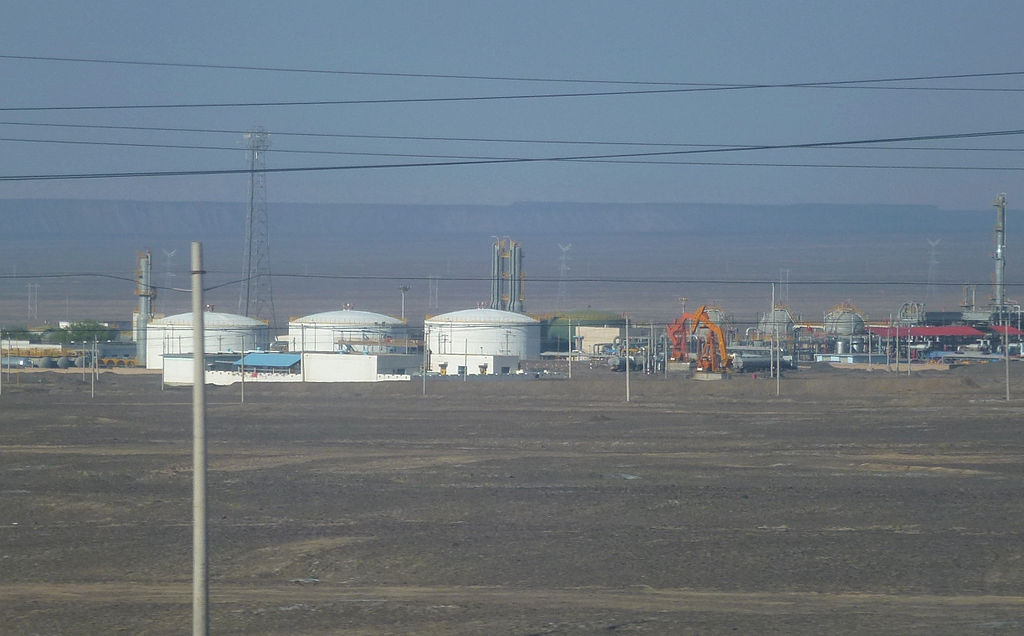
President Donald Trump stated Tuesday that China can continue purchasing Iranian oil following the ceasefire between Israel and Iran. His comment came shortly after U.S. airstrikes targeted three Iranian nuclear facilities. While the White House quickly clarified that this doesn’t mean a relaxation of U.S. sanctions, Trump’s remarks added to bearish sentiment in oil markets, sending prices down nearly 6%.
On Truth Social, Trump said, “China can now continue to purchase oil from Iran. Hopefully, they will be purchasing plenty from the U.S., also.” A senior White House official emphasized that the Strait of Hormuz remains open, critical for China as the largest buyer of Iranian crude. The official also reiterated that Trump wants countries to prioritize U.S. oil over sanctioned Iranian supplies.
Trump’s message suggests a potential shift from his previous “maximum pressure” campaign against Iran’s oil exports. Scott Modell, former CIA officer and CEO of Rapidan Energy Group, said this could reflect a return to more lenient enforcement. While Trump isn’t expected to formally waive sanctions before nuclear negotiations resume, the leverage provided by sanctions remains a key bargaining chip.
Legal experts note that easing enforcement would require inter-agency coordination. The Treasury Department would need to issue licenses, and the State Department would need to grant waivers, including notifying Congress.
China, which has long opposed unilateral U.S. sanctions, did not comment. Increased Iranian oil imports by China may strain U.S.-Saudi relations, as Riyadh remains the world’s top oil exporter.
Despite sanctions, Iran’s oil exports have held steady due to limited enforcement. Modell added that although Trump has taken symbolic action—such as sanctioning Chinese refineries—the overall pressure has been minimal. The administration, however, remains committed to advancing Trump’s energy and foreign policy goals.













