


 Trump Vows to Keep U.S. Ahead of China in AI Race
  China to Push Global Security Vision at Xiangshan Forum
  Canada Seeks ‘Unique Alliance’ With EU, Carney Rules Out Membership
  What is Zionism? The different meanings of a contested term
  North Korea Holds Missile and Artillery Drill
  US Immigration Arrests Surge as Deportations Lag Behind
  Trump Backs United Ireland During Dublin Visit
  Russian Strikes Across Ukraine Kill Nine, Injure Dozens
  Judge Blocks Trump Rule Limiting Foreign Student Visas
  Ukraine Races to Counter Russia’s Faster Jet-Powered Drones
  Trump Rejects Calls for Tougher AI Regulation
  Sweden Election Puts Far Right and Centre Left in Tight Race
  Iran-Oman Talks Lay Groundwork for Hormuz Reopening
  Philippines Holds Historic Bangsamoro Election Amid Tight Security
  Trump Downplays Report Iran Obtained Chinese Satellite Images Before Jordan Attack
  Kim Jong Un Pledges Deeper Russia Cooperation
  Mahmoud Khalil Sues Columbia Over Alleged Pro-Palestinian Harassment


 Add as a preferred source on Google
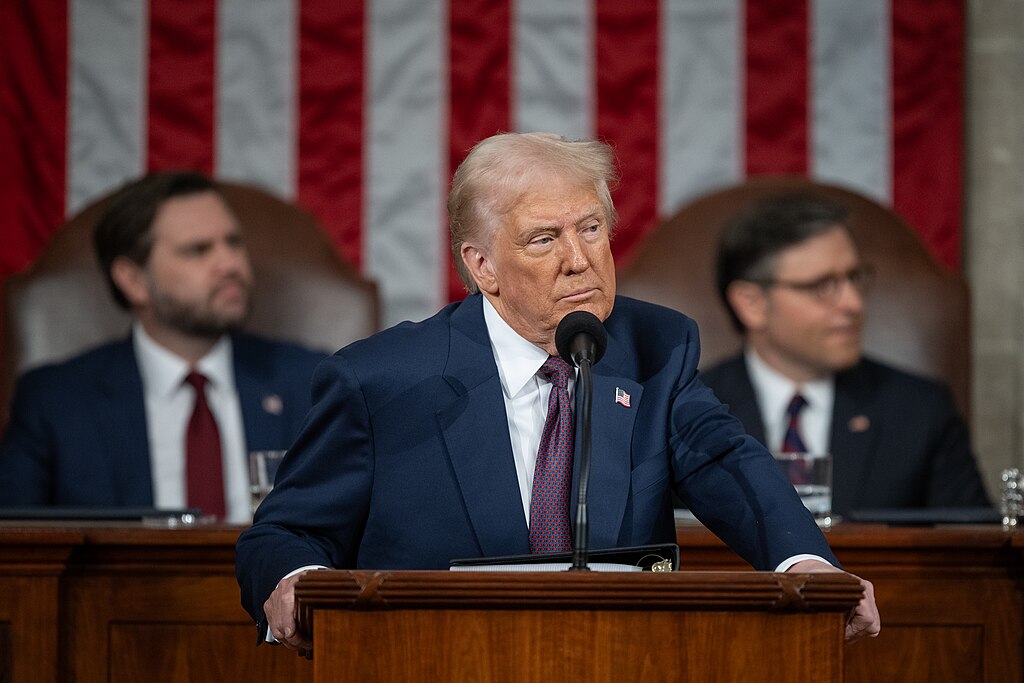
U.S. President Donald Trump has stated that the United States will not unfreeze Iranian assets or lift sanctions on Iran until a formal peace agreement is finalized. In an interview with NBC News’ Meet the Press, Trump emphasized that any sanctions relief would come only after Tehran fulfills its obligations under a future deal.
According to Trump, discussions about easing economic restrictions would begin only once an agreement is completed. He indicated that the U.S. could consider lifting sanctions and releasing frozen Iranian funds if Iran demonstrates positive behavior and complies with the terms of a peace settlement.
The president also addressed reports regarding Lebanon’s potential involvement in negotiations with Tehran. Trump clarified that while some parties may want Lebanon included in a short-term agreement, he is not making it a requirement for any future deal with Iran.
The comments come amid ongoing tensions in the Middle East. U.S. and Israeli military forces launched strikes against Iran on February 28, escalating concerns about regional stability. At the same time, the Trump administration has spent weeks pursuing diplomatic efforts aimed at securing a peace agreement with Tehran.
Trump expressed confidence that negotiations are nearing a critical stage, suggesting that either a deal will be reached soon or the conflict could intensify. His remarks underscore the administration’s dual-track strategy of maintaining military pressure while continuing diplomatic engagement.
The president also revealed that he would be open to speaking directly with Iran’s supreme leader, Ayatollah Mojtaba Khamenei. Khamenei has reportedly not appeared publicly since being wounded during U.S. military operations at the start of the conflict. Trump hinted that U.S. officials may know his whereabouts but declined to provide specific details.
Meanwhile, senior Trump administration officials, including Secretary of State Marco Rubio, have maintained that a temporary ceasefire remains in effect despite recent U.S. military actions. Rubio told lawmakers that the latest strikes were defensive measures and did not signal the collapse of ongoing peace efforts.
The developments highlight the fragile state of U.S.-Iran relations as negotiations continue, with sanctions relief remaining a key bargaining point in any potential peace agreement.







