


 AI Avatar of Jair Bolsonaro Sparks Legal Battle Ahead of Brazil’s 2026 Presidential Election
  Taiwan to Test Wartime Weapons Production in Han Kuang Military Drills
  Trump, Netanyahu Discuss Iran Nuclear Options as Tensions Escalate
  Oman Proposes Strait of Hormuz Plan as U.S., Iran Remain Divided Over Shipping Fees
  California ICE Detention Center Found to Have Inadequate Medical Care, Court Monitor Says
  Ukraine’s drone strikes are having an impact on Russia — but Russian leaders remain committed to war
  West Bank Tensions Escalate as Palestinian Village Faces Settler Violence and Military Raids
  Japan PM Sanae Takaichi Plans Temporary Food Tax Cut to Ease Inflation Pressure
  Zelenskiy Urges Trump for More Anti-Ballistic Missile Systems to Strengthen Ukraine Defense
  Russian Officials Say Ukrainian Drone Attacks Kill 3 in Belgorod, Injure 19 on Bus
  Trump Announces Hamas Disarmament Deal Under Gaza Peace Plan
  UN Warns of Rising Israeli Settler Violence in West Bank as Palestinian Death Toll Grows
  Brazil Supreme Court Approves Probe Into Lula’s Son Over Health Ministry Lobbying Claims
  Ukraine F-16 Fighter Jet Crashes During Mission, Pilot Ejects Safely
  US Customs Inspects China-Linked Factories in Vietnam Amid Trade Compliance Review
  China Vows Retaliation Over U.S. Ban on Chinese Robots, Power Inverters
  Is Netanyahu’s star waning in Washington? His latest meeting with Trump suggests it may be


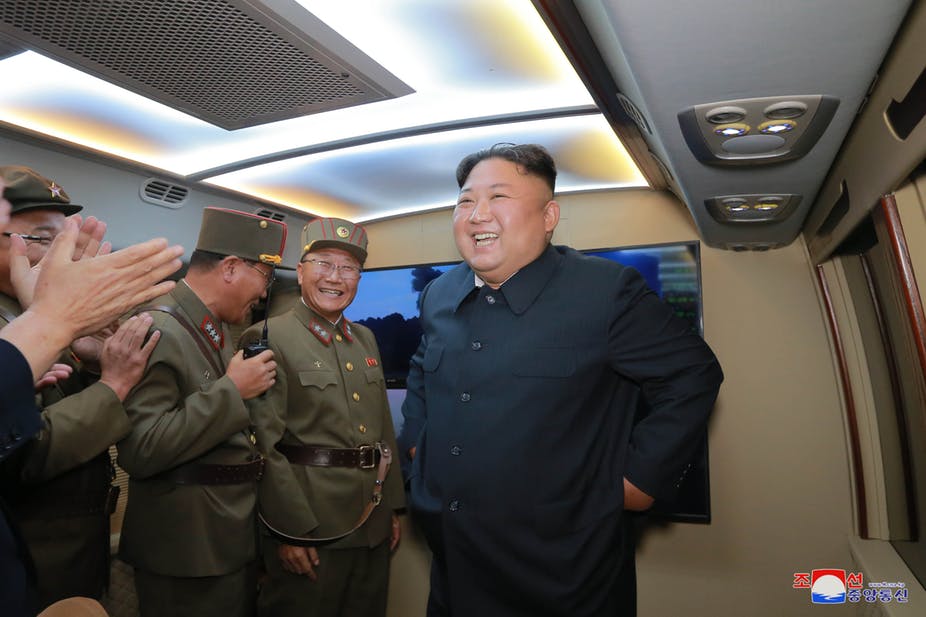
North Korea has sharply criticized the expansion of the U.S. Forces Japan (USFJ) command, warning that the possibility of armed conflict on the Korean Peninsula has become a matter of timing rather than speculation.
In an editorial published Friday by state-run Korean Central News Agency (KCNA), Pyongyang claimed that the increase in U.S. Forces Japan personnel signals the transformation of the command into a full-scale "war command." The editorial accused Washington of strengthening Japan's military capabilities and preparing the country's Self-Defense Forces for potential operations across the Asia-Pacific region.
The remarks came after Lieutenant General Stephen Jost, commander of U.S. Forces Japan, told Japan's Asahi newspaper that headquarters staffing had increased by 215 personnel compared with a year ago. According to Jost, the expansion is intended to enhance command capabilities and improve operational coordination with U.S. allies and partners.
KCNA argued that growing military cooperation among the United States, Japan, and South Korea has intensified regional tensions. The editorial claimed that U.S. Forces Japan would likely serve as one of the first reinforcement units deployed to the Korean Peninsula if hostilities were to break out.
The North Korean commentary also accused Washington of pursuing "military adventurism," asserting that the U.S.-led security partnership in Northeast Asia justifies Pyongyang's continued development of its nuclear weapons program as a deterrent against perceived external threats.
Friday's editorial marked the fourth KCNA commentary this month targeting the trilateral alliance between the United States, Japan, and South Korea. North Korean officials have repeatedly condemned the three countries' expanding military cooperation, joint exercises, and security initiatives, describing them as hostile actions that threaten regional stability.
The latest criticism underscores Pyongyang's ongoing opposition to closer defense coordination among the three allies, while highlighting the continued tensions surrounding military activity and security policy in Northeast Asia. The exchange of accusations reflects the increasingly strained security environment in the region as all sides continue to strengthen their respective military postures.







