


 South Korea Assures U.S. on Trade Deal Commitments Amid Tariff Concerns
  Federal Judge Restores Funding for Gateway Rail Tunnel Project
  Iran–U.S. Nuclear Talks in Oman Face Major Hurdles Amid Rising Regional Tensions
  Nighttime Shelling Causes Serious Damage in Russia’s Belgorod Region Near Ukraine Border
  New York Legalizes Medical Aid in Dying for Terminally Ill Patients
  Trump Signs Executive Order Threatening 25% Tariffs on Countries Trading With Iran
  TrumpRx Website Launches to Offer Discounted Prescription Drugs for Cash-Paying Americans
  U.S. to Begin Paying UN Dues as Financial Crisis Spurs Push for Reforms
  US Pushes Ukraine-Russia Peace Talks Before Summer Amid Escalating Attacks
  U.S. Lawmakers to Review Unredacted Jeffrey Epstein DOJ Files Starting Monday
  India–U.S. Interim Trade Pact Cuts Auto Tariffs but Leaves Tesla Out
  Trump Lifts 25% Tariff on Indian Goods in Strategic U.S.–India Trade and Energy Deal
  TrumpRx.gov Highlights GLP-1 Drug Discounts but Offers Limited Savings for Most Americans
  Netanyahu to Meet Trump in Washington as Iran Nuclear Talks Intensify
  China Warns US Arms Sales to Taiwan Could Disrupt Trump’s Planned Visit
  Trump Endorses Japan’s Sanae Takaichi Ahead of Crucial Election Amid Market and China Tensions
  Trump Signs “America First Arms Transfer Strategy” to Prioritize U.S. Weapons Sales


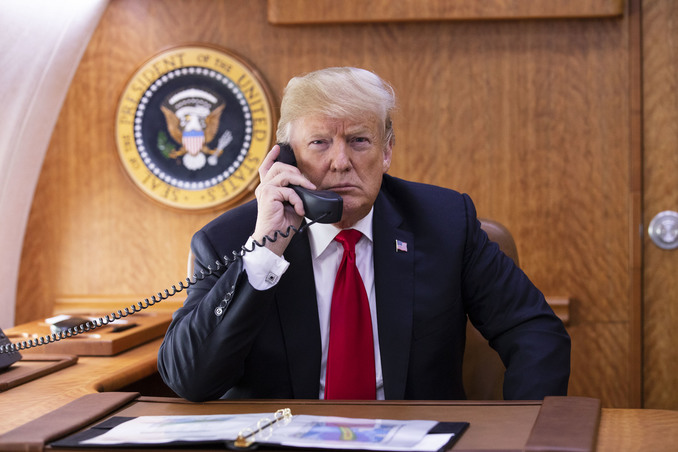
The Trump administration has introduced a "deferred resignation program" aimed at significantly reducing the federal workforce. This unprecedented initiative offers most civilian federal employees financial incentives to resign. Workers who opt-in can stay on the payroll without working until September 30, accruing retirement benefits. However, employees must decide by February 6.
The program, outlined in a recent email, excludes immigration, national security, and U.S. Postal Service employees. To participate, employees must reply with "resign" from their government email accounts. Federal buyouts are typically capped at $25,000. The administration plans to streamline operations through agency restructuring and layoffs, warning that job security cannot be guaranteed.
In a memo, the Office of Personnel Management clarified that participants’ duties would be reassigned or eliminated, and they would be placed on paid administrative leave. Employees can seek other jobs during this period. Agency heads have been directed to identify probationary employees and those with less than two years of service, as they are easier to dismiss.
Union leaders, such as Everett Kelley of the American Federation of Government Employees, criticized the program, arguing it creates a toxic work environment. Kelley emphasized that the administration’s directives, including a federal hiring freeze and reclassification of employees to “at-will” status, undermine worker protections.
This initiative is part of broader efforts by the Trump administration to restructure government operations. While military and certain agencies may grow, the majority face downsizing. Despite assurances of dignity in potential job losses, critics view the program as a coercive tactic to push employees out.
The White House has not commented on the controversial proposal, which underscores the administration's intent to implement significant federal workforce reforms.








