


 Oil Prices Climb as Iran Reviews U.S. Peace Proposal Amid Middle East Tensions
  Trump Says Iran Offered Major Energy Concession Amid Ongoing Negotiations
  Japan's Private Sector Growth Slows in March Amid Rising Costs and Middle East Uncertainty
  Iran-Israel Missile Strikes Continue Amid Mixed Signals on U.S.-Iran Diplomacy
  Asian Currencies Stay Muted as Dollar Holds Firm Amid Iran Uncertainty
  Trump Tariffs Show Minimal Economic Impact but Boost Federal Revenue, Study Finds
  Australia's Inflation Eases in February but Core Pressures Persist
  Taiwan Arms Deal on Track Despite U.S.-China Summit Uncertainty
  Trump Seeks Quick End to U.S.-Iran Conflict Amid Ongoing Middle East Tensions
  Oil Prices Plunge Over 6% as Middle East Ceasefire Hopes Ease Supply Fears
  Trump Administration Opens Two New Investigations Into Harvard Over Discrimination and Antisemitism
  Trump Administration Settles Lawsuit Barring Federal Agencies from Pressuring Social Media Censorship
  Federal Reserve Balance Sheet Reduction: Brookings Research Outlines Possible Path Forward
  U.S. Stock Futures Steady as Iran Reviews U.S. Ceasefire Proposal
  U.S.-Iran Peace Talks Gain Momentum Amid Ongoing Conflict
  UK Consumer Confidence Weakens Amid Middle East Conflict and Rising Living Costs
  U.S. Oil Prices Slide as Middle East Ceasefire Talks Spark Market Optimism


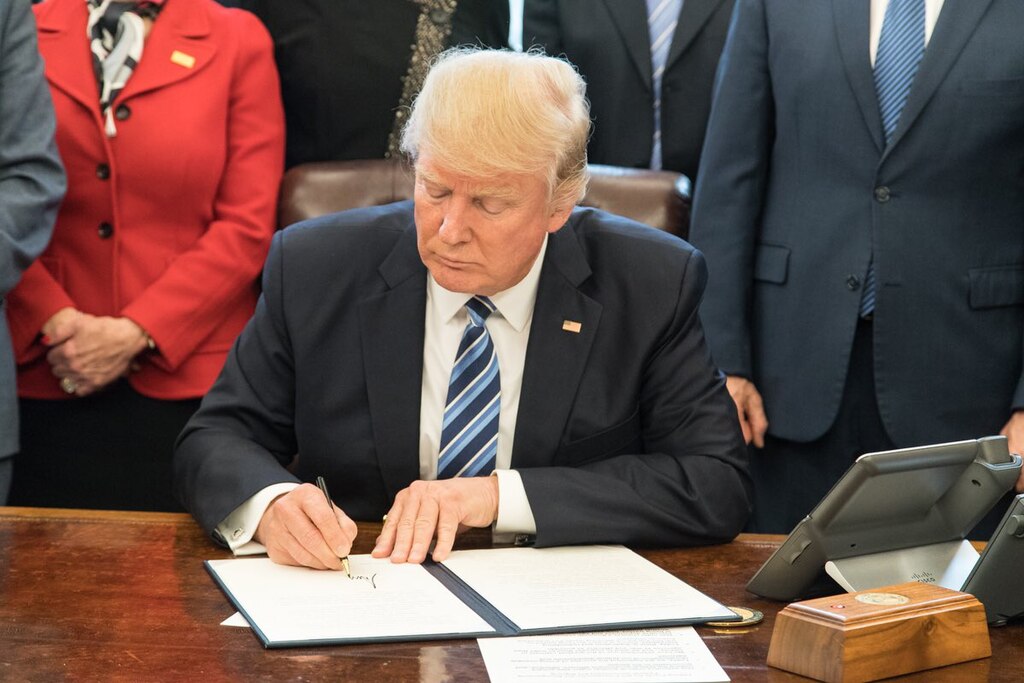
U.S. President Donald Trump signaled flexibility on a July 8 deadline for finalizing trade deals, saying on Wednesday he might extend the timeline if necessary, although he does not expect it will be needed. Speaking at the Kennedy Center, Trump said negotiations with about 15 countries, including South Korea, Japan, and the European Union, are progressing well.
"We’re rocking in terms of deals," Trump said, emphasizing that many nations are eager to reach agreements. The president added that letters outlining trade deal terms will soon be sent to dozens of countries, who can “take it or leave it.”
U.S. Treasury Secretary Scott Bessent echoed this sentiment, suggesting countries negotiating in good faith could see the deadline "rolled forward." His comments to both the House Ways and Means Committee and the Senate Appropriations Committee marked the first sign of potential deadline flexibility.
The July 8 date marks the end of a 90-day pause in Trump’s sweeping “reciprocal” tariffs, which rattled global markets when first introduced in April. The S&P 500 dropped over 12% in four days, while U.S. Treasury yields surged and the dollar weakened. Markets only began to stabilize after Trump announced the pause on April 9.
Bessent noted that only one deal has been finalized so far, with the UK, while around 17 others are still in various stages of negotiation. A separate deal with China, agreed upon in London, has an August 10 deadline.
Wall Street insiders have dubbed recent market reactions the “TACO” trade—Trump Always Chickens Out—reflecting investor sentiment that market recoveries follow retreat from aggressive policies. Still, Trump and Bessent emphasized ongoing efforts to strike deals, hinting at strategic flexibility to avoid renewed market turmoil.













