


 RBI Holds Repo Rate at 5.25% as India’s Growth Outlook Strengthens After U.S. Trade Deal
  Russian Stocks End Mixed as MOEX Index Closes Flat Amid Commodity Strength
  Trump Endorses Japan’s Sanae Takaichi Ahead of Crucial Election Amid Market and China Tensions
  Trump Says “Very Good Talks” Underway on Russia-Ukraine War as Peace Efforts Continue
  U.S.-India Trade Framework Signals Major Shift in Tariffs, Energy, and Supply Chains
  Trump Allegedly Sought Airport, Penn Station Renaming in Exchange for Hudson River Tunnel Funding
  Trump Signs Executive Order Threatening 25% Tariffs on Countries Trading With Iran
  Ohio Man Indicted for Alleged Threat Against Vice President JD Vance, Faces Additional Federal Charges
  Trump’s Inflation Claims Clash With Voters’ Cost-of-Living Reality
  South Africa Eyes ECB Repo Lines as Inflation Eases and Rate Cuts Loom
  Trump Signs “America First Arms Transfer Strategy” to Prioritize U.S. Weapons Sales
  Norway Opens Corruption Probe Into Former PM and Nobel Committee Chair Thorbjoern Jagland Over Epstein Links
  South Korea Assures U.S. on Trade Deal Commitments Amid Tariff Concerns
  Gold and Silver Prices Rebound After Volatile Week Triggered by Fed Nomination
  Missouri Judge Dismisses Lawsuit Challenging Starbucks’ Diversity and Inclusion Policies
  Fed Governor Lisa Cook Warns Inflation Risks Remain as Rates Stay Steady


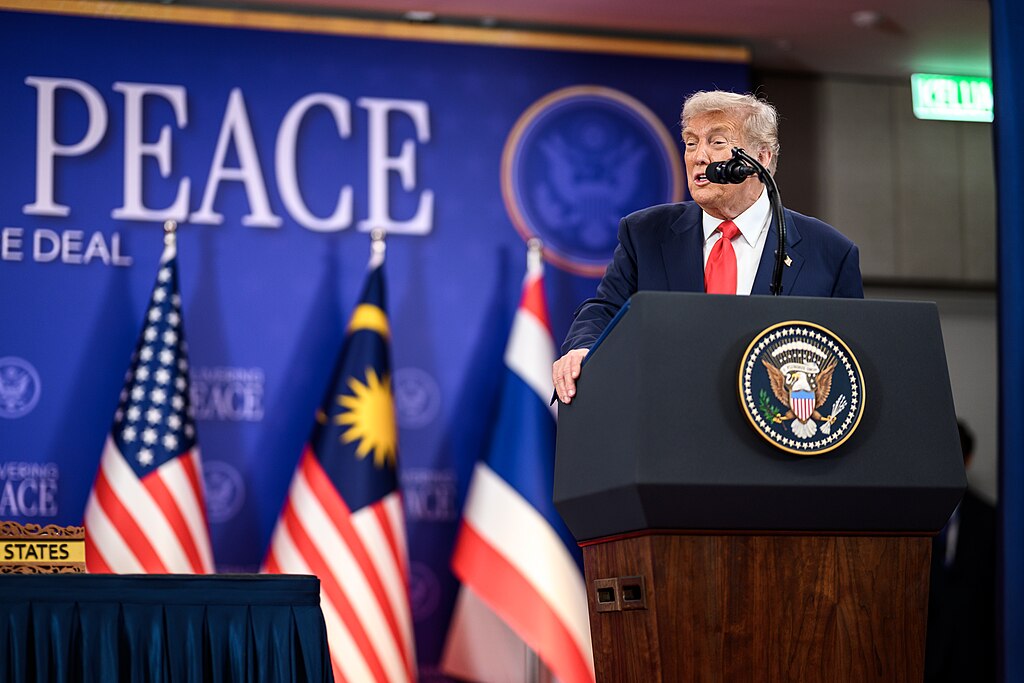
President Donald Trump promoted his economic agenda during a speech in Detroit on Tuesday, seeking to refocus national attention on U.S. manufacturing, trade policy, and the rising cost of living as the White House confronts growing voter unease ahead of the 2026 midterm elections. Speaking at the Detroit Economic Club, Trump claimed he had rebuilt the U.S. economy in just 11 months, pointing to what he described as surging growth, booming investment, rising incomes, and defeated inflation.
Despite the president’s optimistic assessment, recent economic data presents a more mixed picture. Consumer prices increased last month, driven largely by higher food and rent costs, while job growth has remained sluggish. Manufacturing employment fell by 8,000 jobs nationwide in December, undercutting Trump’s long-standing pledge that tariffs and trade pressure would spark a manufacturing revival. A Reuters/Ipsos poll in December showed Trump’s approval rating on cost-of-living issues at just 27%, underscoring affordability as a major concern for U.S. households.
Trump’s visit coincided with the Detroit Auto Show, where Ford, General Motors, and Stellantis are showcasing new vehicles and technology. Touring a Ford plant in Dearborn alongside CEO Jim Farley and Executive Chairman Bill Ford, Trump reiterated his claim that tariffs were driving a wave of new auto factories, though industry data shows little evidence of a construction boom. He also downplayed the importance of the United States-Mexico-Canada Agreement, calling it “irrelevant” and insisting the U.S. should rely less on vehicles and parts made abroad.
Automakers, however, have warned that North American supply chains are critical to U.S. production and have urged the administration to preserve the trade pact. Throughout 2025, car companies absorbed billions of dollars in costs linked to Trump’s fluctuating tariff policies and retaliatory measures from China, including restrictions on rare-earth materials essential for vehicles.
As Michigan remains a key political battleground with an open Senate seat and competitive House races, Trump plans further travel to promote his economic record, even as markets react to his recent moves targeting credit card rates, housing investors, and global oil production.













