


 US Revokes Over 175,000 Visas Under Trump Immigration Crackdown
  Joe Biden’s Prostate Cancer Has Spread Further, Hunter Biden Says
  Bezalel Smotrich Faces Election Battle as Israel’s Far-Right Vote Fractures
  Senate Majority Leader John Thune Moves to Advance Crypto Clarity Act
  South Korea, US Set Major Military Drills for August
  Germany Warns of Daily Hybrid Warfare Threats
  Trump Administration Weighs Executive Order on Vaccines and Autism Research
  Russian Missile Attack on Kyiv Sparks Fires in City Centre
  North Korea Slams Japan’s 2026 Defense White Paper
  Colombia President Abelardo De La Espriella Pledges Drug Crackdown, Economic Reforms
  Taiwan Tests Penghu Defense, Mobile Internet Limits in War Drills
  Trump Unveils $3 Billion U.S. Critical Minerals Push
  New Zealand MMP Electoral System Faces Fresh Referendum Debate
  ICE to Complete Nationwide Body Camera Rollout by End of August
  FCC Steps Up China Tech Crackdown as Beijing Pushes Back
  Trump Media Says Truth API Draws 10+ Customers as Conflict Concerns Grow
  Ukraine Agrees to Protect Kazakhstan Oil Exports via Black Sea


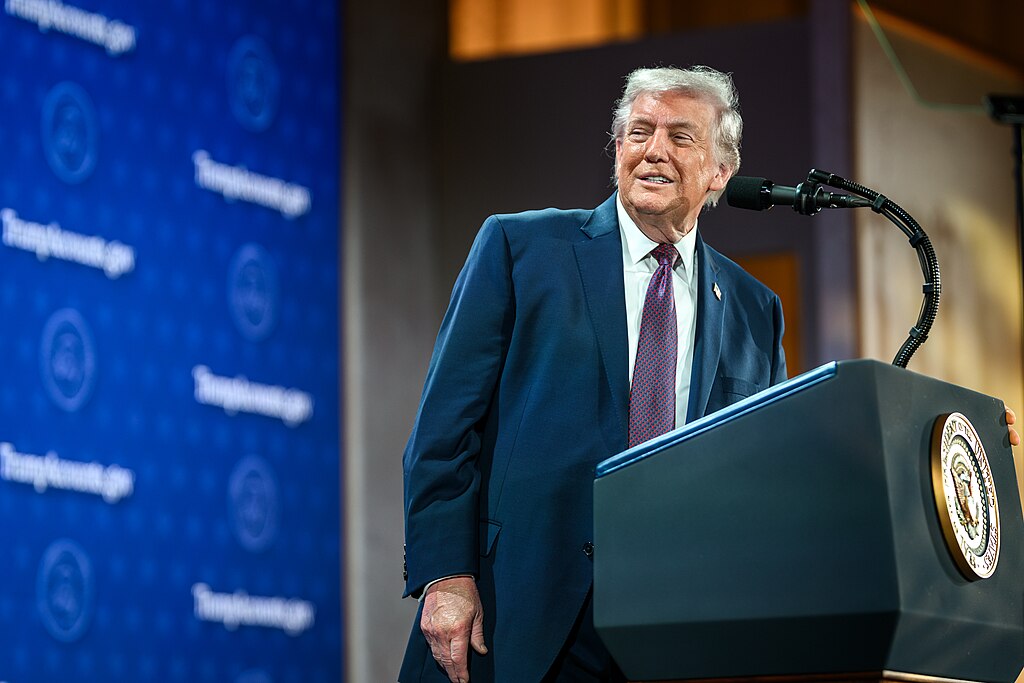
U.S. President Donald Trump said Monday that he will demand compensation from Iran for people he says were killed or seriously wounded in conflicts involving Tehran, responding to Iran’s own push for compensation following U.S. and Israeli military attacks.
Trump made the demand in a post on Truth Social after Iran reiterated conditions for reopening the Strait of Hormuz, one of the world’s most strategically important shipping routes. Tehran said over the weekend that it was nearing an agreement with Oman to establish new shipping lanes between the two countries through the strait.
However, Iranian officials maintained that the United States must meet several conditions before the waterway can fully reopen. Those demands reportedly include compensation for damage caused by U.S. and Israeli attacks, the lifting of sanctions, and an end to military threats against Iran.
Trump responded by arguing that Washington could make its own compensation claims against Tehran.
“It is an interesting idea because now I am likewise demanding compensation from Iran,” Trump wrote, citing people he said were killed or gravely wounded by roadside bombs and in various conflicts.
The U.S. president also referenced the October 2000 bombing of the USS Cole, a U.S. Navy guided-missile destroyer attacked while it was in a Yemeni port. The bombing killed 17 American sailors and injured more than 30 others. The FBI has attributed the attack to al Qaeda.
Trump additionally said Iran should compensate the families of thousands of people affected by deadly anti-government protests in January. The unrest was described as Iran’s most severe domestic upheaval since the country’s 1979 Islamic Revolution.
Rights organizations have accused Iranian authorities of continuing to suppress government opponents during the ongoing conflict.
The competing compensation demands add another layer of tension between Washington and Tehran as negotiations over the Strait of Hormuz continue. Any agreement involving the strategic waterway could have significant implications for regional security and global shipping, while sanctions, military threats and compensation remain major obstacles to a broader resolution.







