


 Judge Rules Use of Military Lawyers in Civilian Prosecutions Is Lawful
  U.S. Fast-Tracks $8.6 Billion Arms Sales to Middle East Allies Amid Rising Tensions
  Dominican Republic Halts GoldQuest Mining Project Amid Environmental Protests
  CDC Monitors U.S. Travelers After Hantavirus Outbreak on Luxury Cruise Ship
  Mexico President Claudia Sheinbaum Reconsiders Early School Closure Plan Ahead of 2026 World Cup
  Coinbase Q1 2026 Earnings Miss Sends COIN Stock Lower Amid Crypto Market Slump
  New York Moves to Ban Masked Law Enforcement During Immigration Operations
  U.S. Sanctions Former DR Congo President Joseph Kabila Over Rebel Support
  AWS Data Center Overheating Disrupts Cloud Services in Northern Virginia
  Morgan Stanley Bets on Optical Component Stocks in Greater China Tech Sector
  CoreWeave Q1 2026 Revenue Surges as AI Infrastructure Demand Grows
  Trump Administration Releases New UFO Files and Apollo Mission Records
  U.S. Flags Vietnam as “Priority Foreign Country” Over Intellectual Property Concerns
  China Banks Halt New Loans to Sanctioned Refineries Amid U.S.-Iran Oil Crackdown
  Shell Q1 Profit Surges to Two-Year High as Dividend Rises Despite War-Driven Debt Pressure
  Medicare to Cover GLP-1 Weight-Loss and Diabetes Drugs Starting July 1
  Google Secures Pentagon AI Deal for Classified Projects


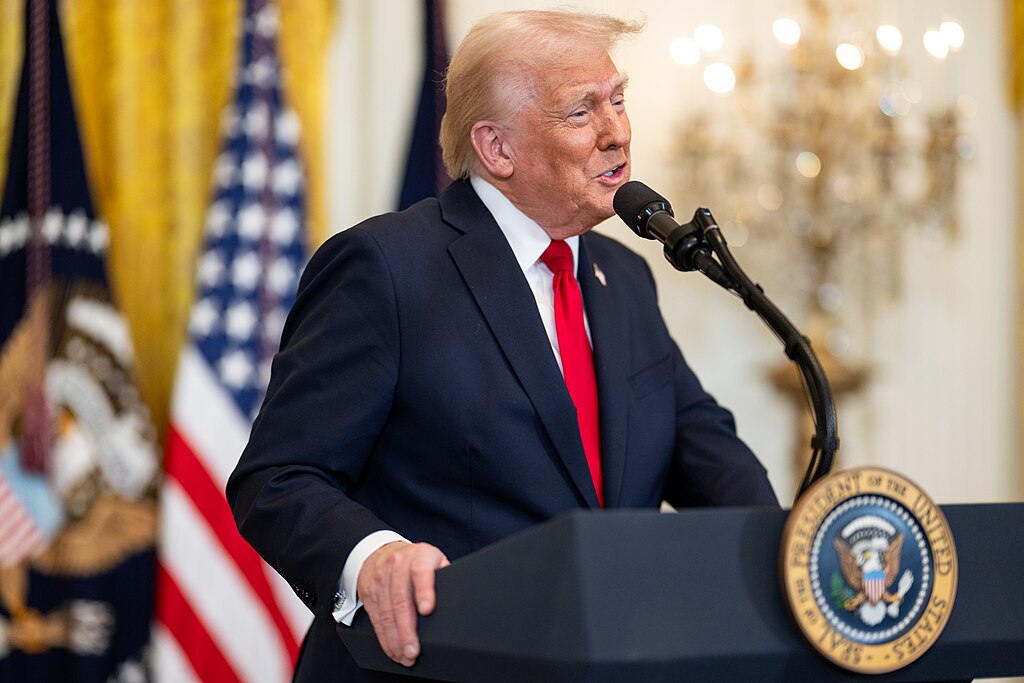
President Donald Trump has ordered Hong Kong-based Suirui International to divest its ownership in U.S. audiovisual equipment maker Jupiter Systems, citing national security concerns. The decision, announced by the U.S. Treasury Department on Friday, follows a review by the Committee on Foreign Investment in the United States (CFIUS), which flagged the acquisition as a security risk.
The Treasury Department stated that Suirui, a Chinese company specializing in cloud communication services, posed potential threats due to Jupiter’s technology being used in sensitive military and critical infrastructure environments. The companies originally agreed to the deal in early 2020.
Under the presidential order, Suirui must fully divest from Jupiter within 120 days. Additionally, Jupiter is prohibited from retaining any interest in Chinese subsidiaries or assets created post-acquisition. This move aligns with ongoing U.S. efforts to curb Chinese influence in sectors deemed critical to national security, including technology and defense.
Tensions between Washington and Beijing have escalated in recent years, with disputes over trade, cybersecurity, and geopolitical influence fueling restrictions on Chinese investment in the U.S. tech sector. Trump has consistently characterized China as a strategic threat, reinforcing scrutiny on deals involving Chinese ownership of American firms.
Jupiter Systems confirmed awareness of the divestment order and stated it is working with legal counsel and stakeholders to evaluate next steps. The company assured that operations will continue without disruption during the review process.
Neither Suirui nor the Chinese embassy in Washington provided an immediate response. Beijing has previously denied posing any security threats to the U.S. and criticized such actions as politically motivated.
The case underscores the heightened oversight of foreign investments in the U.S., particularly those involving Chinese entities and companies tied to national defense infrastructure.







