


 U.S. Sanctions Former DR Congo President Joseph Kabila Over Rebel Support
  Rubio Approves $25.8 Billion Weapons Sale to Middle East Allies
  Judge Delays SEC Settlement With Elon Musk Over Twitter Stock Disclosure Case
  U.S., South Korea Launch Shipbuilding Partnership Initiative
  Trump Administration Dismisses Entire National Science Board, Raising Concerns Over Scientific Independence
  FEMA Reinstates Employees After Dissent Letter, Signaling Shift in Workforce Stability
  Ukraine-Russia Ceasefire Confirmed as Prisoner Swap Deal Advances
  Judge Rules Use of Military Lawyers in Civilian Prosecutions Is Lawful
  Trump Administration Dismisses Entire National Science Board, Sparking Debate Over Scientific Independence
  Pope Leo Calls for Peace as Vatican Seeks Better Ties With U.S.
  US Revises UN Resolution on Iran Strait of Hormuz Attacks Amid Russia-China Opposition
  Judge Rules DOGE Humanities Grant Cuts Unconstitutional
  Brazil Pension Fund Crackdown After Banco Master Collapse Raises Investment Concerns
  Trump-Xi Beijing Summit to Focus on Trade, Taiwan, and Boeing Deal
  Israel Expands Gaza Restricted Zones, Raising Concerns for Civilians and Aid Access
  Trump Inspects Lincoln Memorial Reflecting Pool Renovation in Washington
  US Reviews Mexican Consulates Amid Rising Diplomatic Tensions


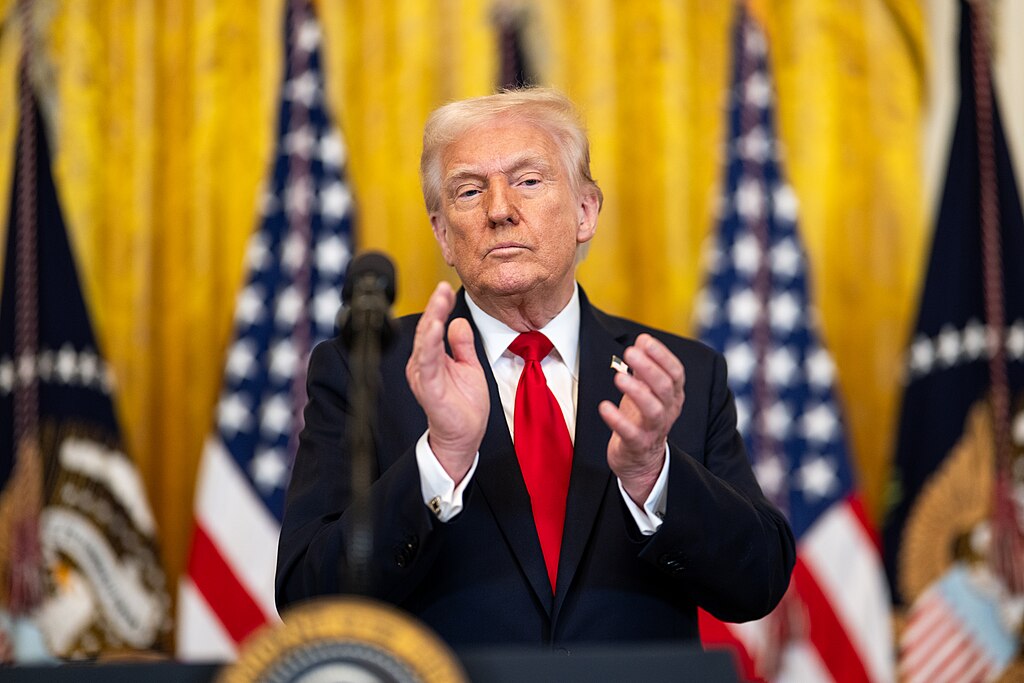
The Trump administration has announced a freeze on certain federal child care and family assistance funds for five U.S. states—California, Colorado, Illinois, Minnesota, and New York—citing serious concerns about fraud and misuse within state-administered programs. The decision was confirmed Tuesday by the U.S. Department of Health and Human Services (HHS) and has sparked widespread debate over accountability, oversight, and the potential impact on families who rely on these programs.
According to HHS officials, the funding pause affects specific streams of federal assistance tied to child care and family support services. The agency stated that reviews and audits raised red flags suggesting that some funds may not have been used in accordance with federal guidelines. As a result, the Trump administration moved to temporarily halt disbursements while further investigations are conducted to ensure taxpayer dollars are properly managed.
The affected states are among the largest recipients of federal child care funding, supporting millions of low- and middle-income families. State leaders have pushed back against the decision, arguing that a funding freeze could disrupt essential services, including child care subsidies, early education support, and family assistance programs. They also maintain that existing safeguards are in place to prevent fraud and misuse, and that any issues should be addressed without penalizing families.
From the federal government’s perspective, the move reflects a broader emphasis on financial oversight and program integrity. Officials stressed that the freeze is not intended to permanently eliminate funding but to compel stronger compliance and transparency in how federal child care and family assistance funds are administered at the state level.
The funding freeze has drawn attention from policy experts, advocacy groups, and parents, many of whom worry about short-term disruptions and long-term uncertainty. As discussions continue between federal and state authorities, the outcome could shape future oversight of child care funding nationwide and set a precedent for how fraud concerns are handled in federally supported social programs.







