


 Syria-Kurdish Ceasefire Marks Historic Step Toward National Unity
  Trump Claims Putin Agreed to Pause Kyiv Attacks Amid Extreme Cold
  Trump Administration Signals Shift as Defense Secretary Pete Hegseth Skips NATO Meeting Again
  UN Chief Warns Against U.S.-China Power Rivalry, Calls for Multipolar World Order
  New Zealand Declines Trump’s Board of Peace Invitation, Citing UN Alignment Concerns
  Amazon Stock Dips as Reports Link Company to Potential $50B OpenAI Investment
  Trump Administration Expands Global Gag Rule, Restricting U.S. Foreign Aid to Diversity and Gender Programs
  Canadian PM Mark Carney Urges U.S. to Respect Sovereignty Amid Alberta Separatism Reports
  Trump Family Files $10 Billion Lawsuit Over IRS Tax Disclosure
  U.S. Government Faces Brief Shutdown as Congress Delays Funding Deal
  Panama Supreme Court Voids CK Hutchison Port Concessions, Raising Geopolitical and Trade Concerns
  Saks Global to End Saks on Amazon Partnership Amid Bankruptcy Restructuring
  Putin Envoy Kirill Dmitriev to Visit Miami for Talks With Trump Administration Officials
  South Korea Industry Minister Heads to Washington Amid U.S. Tariff Hike Concerns
  Apple Forecasts Strong Revenue Growth as iPhone Demand Surges in China and India
  US Judge Rejects $2.36B Penalty Bid Against Google in Privacy Data Case
  Boeing Secures New Labor Contract With Former Spirit AeroSystems Employees


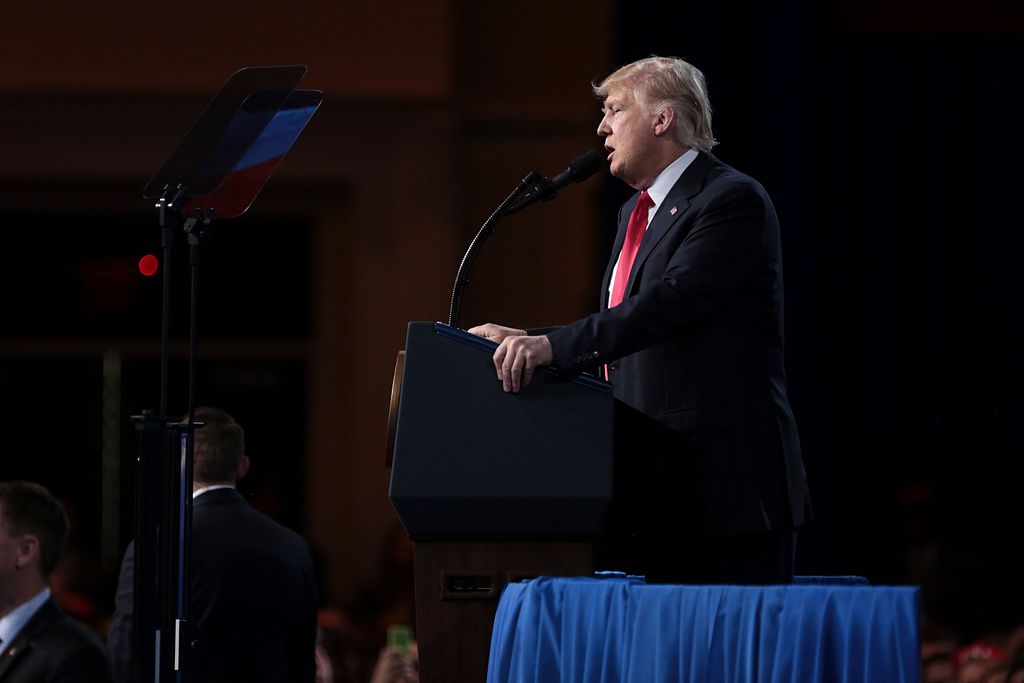
Automotive giants Toyota and Ford are facing scrutiny after federal filings revealed both companies contributed $1 million each to former President Donald Trump’s 2017 inauguration. The donations, while legal, have reignited discussions over corporate influence in politics and the ethical implications of such financial contributions.
Toyota and Ford’s Contributions Under the Microscope
According to public records, Toyota and Ford were among several corporations that made significant contributions to Trump’s inaugural committee, which raised a record-breaking $107 million. Both companies issued statements defending their donations, emphasizing that their contributions were standard practice aimed at supporting the peaceful transition of power.
Toyota’s statement clarified that its donation was “in line with the company’s commitment to civic engagement and support for U.S. institutions.” Similarly, Ford described its contribution as a gesture “to honor American traditions and demonstrate support for democratic principles.”
However, critics argue that such donations raise ethical questions about corporate motives, especially given the auto industry’s interest in influencing policies related to trade, emissions, and labor regulations. Under the Trump administration, policies such as rolling back fuel efficiency standards and renegotiating NAFTA were seen as beneficial to automakers, adding further fuel to the controversy.
The Role of Corporate Donations in Politics
Political analysts suggest that corporate donations to inaugurations, while not new, often carry the perception of an implicit quid pro quo. Critics argue that such contributions undermine public trust in democratic institutions, as they can be perceived as attempts to curry favor with incoming administrations.
Transparency advocates have also raised concerns about the lack of stringent regulations governing inaugural donations. While the Federal Election Commission oversees campaign financing, inauguration funds operate under a different set of rules, allowing corporations to contribute unlimited amounts.
Toyota and Ford’s financial support for Trump’s inauguration has prompted renewed calls for reform, with some lawmakers pushing for stricter disclosure requirements and donation limits. However, defenders of the current system argue that such contributions are an expression of free speech and a legitimate way for companies to participate in the political process.
Public Reactions Highlight Polarized Opinions
News of Toyota and Ford’s $1 million donations quickly spread on social media, sparking a wave of reactions from netizens across the political spectrum:
- @AutoEthicsNow tweeted, “Corporate donations like these are exactly why we need more transparency in political funding. Democracy deserves better.”
- @MAGA4Life commented, “Toyota and Ford know a winner when they see one! Trump stood for American business and jobs.”
- @GreenCarAdvocate posted, “Both companies should focus more on reducing emissions than on cozying up to politicians. Disappointing to see.”
- @PolicyWatchdog added, “These donations prove the need for stricter limits on corporate influence in politics. This is alarming.”
- @MiddleAmericaMom shared, “I’m just glad automakers were supporting a president who wanted to protect U.S. manufacturing. That’s what matters.”
- @CorporateSkeptic wrote, “Toyota and Ford claim it’s about democracy, but let’s not ignore the policy benefits they likely gained.”













