


 The pandemic is still disrupting young people’s careers
  Why financial hardship is more likely if you’re disabled or sick
  Debate over H-1B visas shines spotlight on US tech worker shortages
  Trump Secures Russian Diesel Deal as US Fuel Prices Surge
  Meta Launches Muse Wonder AI Models, Shares Rise 3.7%
  Albertsons Seeks $9.3 Billion From Kroger Over Failed Merger
  AI is driving down the price of knowledge – universities have to rethink what they offer
  Visa Wins China Approval to Prepare Domestic Payments Expansion
  IMF, World Bank Meetings Face Global Economic Risks Amid Iran War
  Arthur Hayes Announces FLOP Testnet Launch Within Weeks
  Philippines Current Account Deficit Seen at $19.1 Billion in 2026
  Samsung, SK Hynix Shares Plunge as China Chip Competition Grows
  Yes, government influences wages – but not just in the way you might think
  Apple Supplier Luxshare Faces US Patent Probe, Sees Limited Impact
  European Auto Stocks Rise as EU-China Trade Deal Targets Hybrid Imports
  How to support someone who is grieving: five research-backed strategies


 Add as a preferred source on Google
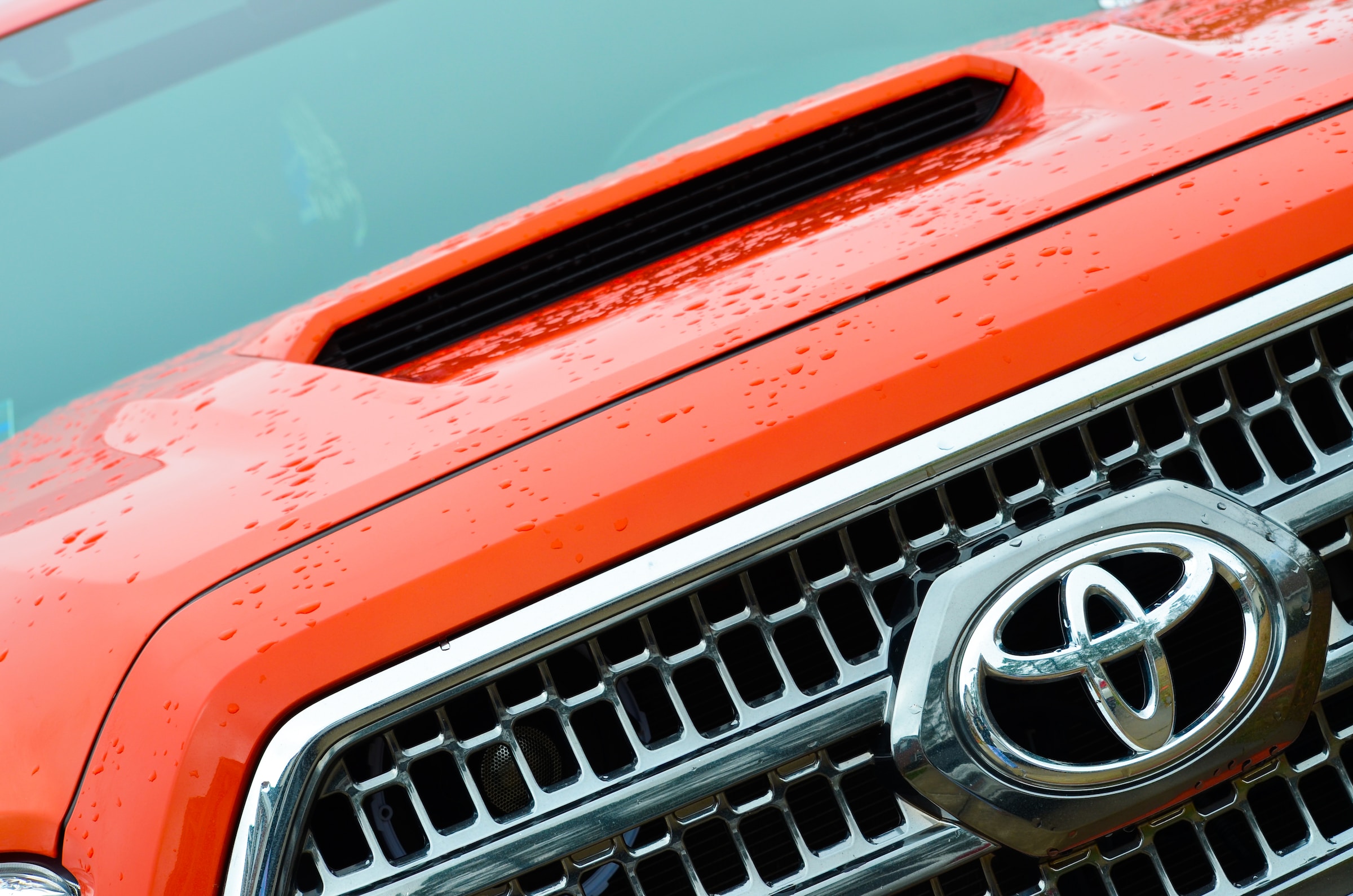
Toyota Motor Corp solidifies its position as the world's top auto seller for the first half of 2023, outpacing competitors and marking the fourth consecutive year of leadership. The robust sales performance was driven by global production capacity expansion and the successful countering of chip shortage issues.
In January-June, Toyota reported sales of 5.42 million vehicles worldwide, an increase of 5.5 percent compared to the previous year. This achievement includes the sales of Daihatsu Motor Co, the group's mini-vehicle maker, and Hino Motors Ltd, the truck manufacturer.
Toyota attributed its solid sales performance to its efforts in expanding production capacity globally, which allowed them to meet the growing demand despite the chip shortage issue that continues to impact the industry. During the same period, Volkswagen recorded sales of 4.37 million vehicles, marking a growth of 12.8 percent.
The Toyota group's global output witnessed a significant increase of 10.3 percent, reaching a record-breaking 5.63 million units. Furthermore, its production outside Japan reached an all-time high of 3.53 million vehicles, reflecting a 4.9 percent growth.
Regarding domestic sales, the group experienced a notable increase of 26.9 percent, with 1.21 million vehicles sold. This positive development can be attributed to the recovery from the aftermath of the COVID-19 pandemic and the resolution of parts shortages.
However, overseas sales only saw a marginal increase of 0.6 percent, with 4.21 million cars sold. The automaker cited weaker sales in China as responsible for this lackluster growth, despite experiencing growth in Europe.
Toyota's electric vehicle sales saw a remarkable surge, increasing more than fivefold to 46,171 units during this period. The introduction of the all-electric vehicle RZ, under the upscale Lexus brand, played a significant role in achieving this milestone.
Among other carmakers, Honda Motor Co reported a decline of 3.3 percent in global sales for the first half of the year, with 1.84 million units sold. Similarly, worldwide sales at Nissan Motor Co remained nearly unchanged, with 1.67 million cars sold.
The total global production by the eight major Japanese automakers witnessed a notable rebound, increasing by 8.5 percent to 12.55 million units in the first half of this year.
This positive development indicates that the industry has successfully recovered from the challenges posed by the pandemic and the parts-supply bottleneck. By improving its production capacity and adapting to market demands, Toyota has solidified its position as a leader in the global automotive industry.
Photo: Mary B/Unsplash







