


 Samsung to Invest $1.5 Billion in Vietnam Semiconductor Testing Plant by 2027
  Elon Musk Explores Possible Tesla-SpaceX Merger Amid Growing AI Investments
  Marvell Stock Rises After Record Q1 FY2027 Earnings Fueled by AI Demand
  Rising Airfares May Challenge Cruise Industry Growth Ahead of 2027 Booking Season
  Macquarie Names Five Taiwan AI Stocks Set to Benefit From Data Center Growth in 2026
  NIO CEO Says China’s Auto Industry Has Passed Its Golden Era Amid Weak Car Sales
  Nvidia and Microsoft to Launch AI-Powered Windows PCs at Computex 2026
  Meta Subscription Push Could Add Billions in Recurring Revenue, Says Rosenblatt
  Trump Adviser’s Investment in Thrive Capital Draws Scrutiny Over Federal Contracts
  Autodesk Beats Q1 Estimates, Acquires MaintainX for $3.6 Billion
  MongoDB Q1 FY2027 Earnings Beat Expectations, Raises Full-Year Outlook
  Salesforce Q1 FY2027 Earnings Beat Expectations Despite Soft Q2 Revenue Outlook
  Costco Q3 Fiscal 2026 Earnings Beat Expectations as Sales and E-Commerce Surge
  SpaceX IPO Could Become Largest in History with $1.8 Trillion Valuation Target
  HP Q2 2026 Earnings Beat Expectations Despite Memory Chip Pressure
  Blue Origin New Glenn Rocket Explodes During Launch Pad Test, Delaying Space Ambitions
  Synopsys Q2 FY2026 Earnings Beat Driven by AI and Semiconductor Demand


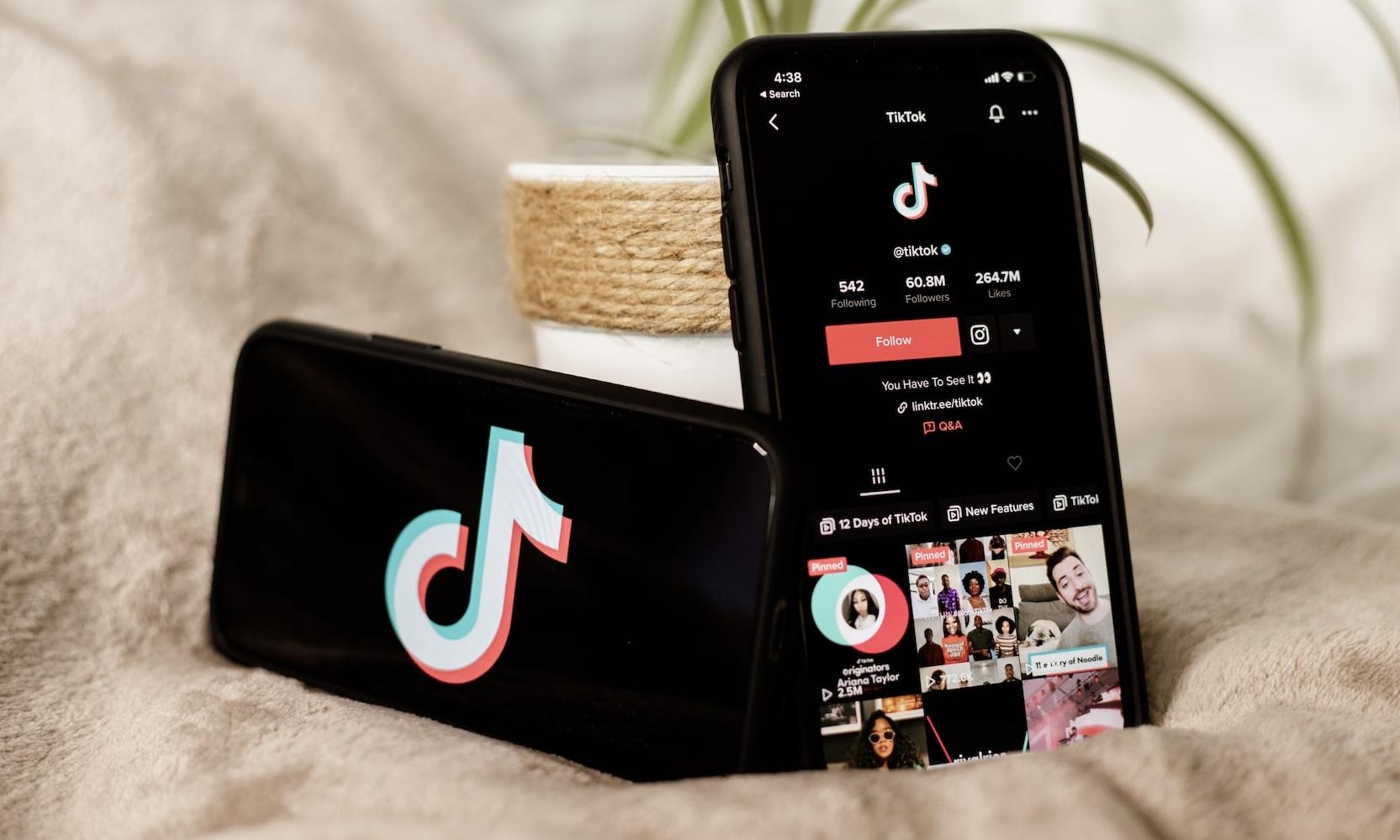
TikTok announced the latest changes to its livestreaming features on Monday, including a new policy that will prevent creators under 18 years old from hosting a LIVE broadcast. The update will also let creators keep younger users out of their livestreams.
The social media giant currently allows users from ages 16 and up to host a LIVE broadcast. The update, however, will change the age requirement from 16 to 18 starting Nov. 23.
This will follow TikTok’s existing age-focused policies that limit certain features to users ages 16 and up. For one, only TikTokers that meet that age requirement can use the direct messaging functionality. The platform also restricts anyone below 18 from accessing features with monetization, like sending virtual gifts to other users.
TikTok’s latest updates to its LIVE functionality will also allow creators to impose an age requirement for certain broadcasts. In an upcoming update, creators will have an option to open their LIVE broadcasts to an adult-only audience.
“For instance, perhaps a comedy routine is better suited for people over age 18,” TikTok said in a blog post. “Or, a host may plan to talk about a difficult life experience and they would feel more comfortable knowing the conversation is limited to adults.”
TikTok said it is also improving its keyword filtering tool for LIVE broadcasts. The feature will soon send creators reminders and suggestions about additional keywords they want to filter during LIVE broadcasts.
The filtering tool will soon be able to analyze a creator’s previous livestream to determine the content that they removed more frequently. TikTok said the improved tool will be able to pick out the commonly removed words to come up with suggestions for a creator’s filter list. “When we tested this feature, we found that it nearly doubled those using keyword filtering when looking at the most popular LIVE creators,” the company added.
TikTok did not say exactly when the new age limit for LIVE audiences and the improvements to the keyword filtering tool will go live. Users can, however, expect these changes to take effect “in the coming weeks.”
Photo by Collabstr (@collabstr) from Unsplash







