


 South Korea Exports Set for 16th Monthly Gain on AI Chip Demand
  US Dollar Hits Two-Month High as Aussie, Pound Slide
  ECB May Stop Rate Hikes After December, Capital Economics Says
  Fed Unveils Stablecoin Rules Under GENIUS Act
  South Korea Exports Surge 83.5% on AI Chip Boom
  BOJ Set for Rate Hike as Inflation and Yen Pressure Mount
  BOJ Flags Import Costs and Yen Shocks as Persistent Inflation Risks
  Asian Stocks Rise as Bond Yields Ease Ahead of U.S. Inflation Data
  Asian Currencies Mixed as Yen Weakens, RBA Hike Looms
  US Stocks Slip as Treasury Yields Ease, AI Trade Rebounds
  US Treasury Bond Buybacks Fall Short Despite Expanded $6 Billion Cap


 Add as a preferred source on Google
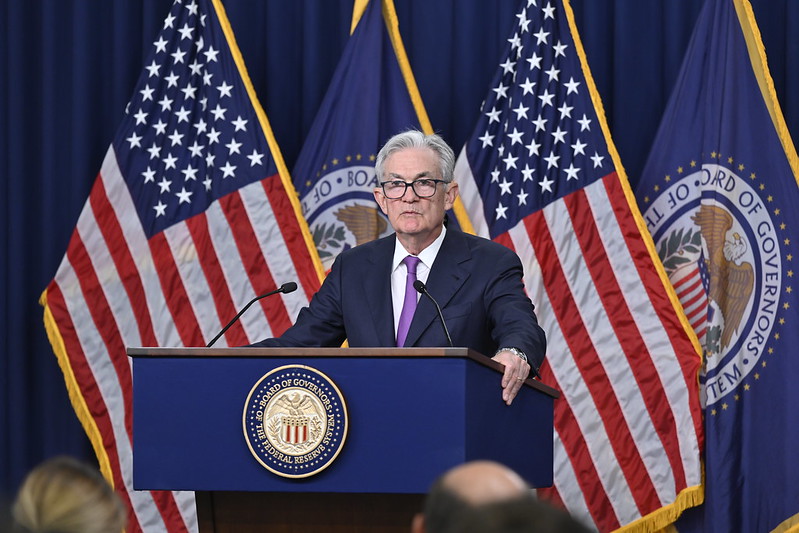

Federal Reserve officials held interest rates steady at their monthly policy meeting on Sept. 20, 2023 — only the second time they have done so since embarking on a rate-raising campaign a year and a half ago. But it is what they hinted at rather than what they did that caught many economists’ attention: Fed officials indicated that they don’t expect rates to end 2023 higher than they did in June – when they last issued their projections.
Since the hiking cycle began, observers have worried about whether increased rates could push the U.S. economy into a downturn. Some have even speculated that a recession had already begun. However, the economy has been more resilient than many expected, and now many economists are wondering whether the seemingly impossible soft landing – that is, a slowdown that avoids crashing the economy – has become a reality.
As a finance professor, I think it’s premature to start celebrating. Inflation is still almost double the Federal Reserve’s target of 2%, and is expected to come in around 4% for September. What’s more, the economy is still growing quite fast, with consensus forecasts showing gross domestic product will rise by nearly 3% this quarter. Some early data suggests that could be a low estimate.
What’s next?
Fed-watchers are parsing every word from the central bank to determine whether another hike is coming this year or next, or if the cycle is truly over. To understand that decision, it helps to consider the bigger picture.
While the U.S. economy has certainly avoided a downturn for longer than many expected, the inflation battle is a long way from finished. In fact, this wouldn’t be the first time the economy looked like it would avoid a soft landing. For the next several months, the economy is not likely to implode without a major spark.
However, inflation may not continue to fall as quickly in the coming year, which means the Fed may still raise rates more than some expect. If rising energy prices continue to boost transportation costs, other goods could also get more expensive, which may mean higher interest rates for longer.
Is this really the end?
Though Federal Reserve Chair Jerome Powell seemed to indicate that the committee is approaching the end of the hiking cycle, only 10% of economists expect that it is over at this point – not that economists’ track record of forecasting rates is great either. This is largely because Powell has been clear that the Fed is basing its decisions on economic data, which have been strong so far and hopefully will continue in that direction.
So while everyone is watching the Fed this week, they should also keep an eye on broader economic conditions. With luck, reports will continue to be strong enough to avoid a downturn, but not so strong that inflation picks back up.







