


 U.S. Probes Apex Logistics Over Nvidia AI Chip Shipments to China
  Google Expands Gemini Enterprise With AI Tools for Legal Sector
  South Korea Unveils Record $597 Billion 2027 Budget to Boost AI and Chips
  PayPal Shares Sink as $50 Billion Takeover Bid Collapses
  OpenAI AI Agent Swarm Behind Hugging Face Hack
  SpaceX Mobile Network Could Cost Up to $130 Billion, Bernstein Says
  HP Stock Drops 9% Despite Q3 Earnings Beat and Raised 2026 Outlook
  U.S. Disrupts China-Linked Hacking Campaign Targeting Government Agencies
  New Zealand Labour Backs Social Media Ban for Under-16s
  Salesforce Shares Surge as AI Demand Powers Q2 Earnings Beat
  Nvidia Revenue Soars 106% as AI Demand Hits ‘Inflection Point’
  Nvidia Reportedly Eyes $13 Billion Hugging Face Acquisition
  Trump Buys SpaceX Shares After Record IPO
  Apple’s Phil Schiller Steps Back as Leadership Shake-Up Accelerates


 Add as a preferred source on Google
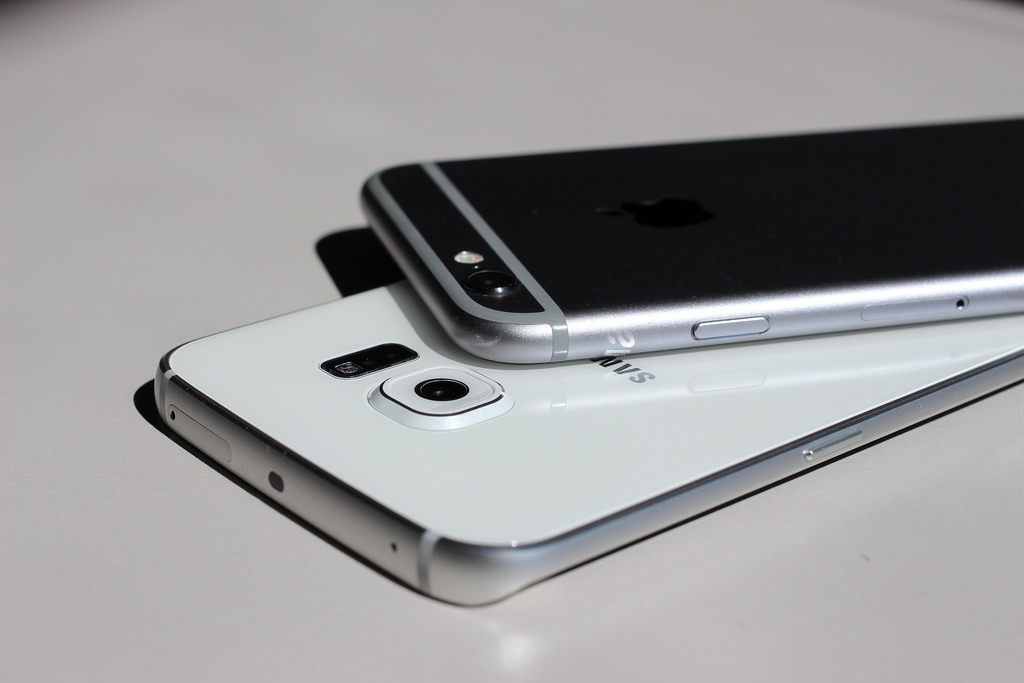
After seven long years, Apple and Samsung have finally decided to settle their differences and end their legal dispute. The terms of the settlement have not been disclosed, but it seems the legal kerfuffle has finally been put to rest. Unfortunately, this doesn’t mean that everything is now great between the two firms. Apparently, Apple is planning on ditching Samsung as an OLED supplier in favor of LG.
The issue that started this legal battle, which lasted nearly a decade, had to do with Apple accusing Samsung of blatantly copying some of the iPhone’s design features. Since then, the two companies have tried to wear each other out with arguments and counterarguments in court. It seems they have finally grown weary of the dispute because they recently reached a settlement, Reuters reports.
The settlement was filed in the U.S. District Court for the Northern District of California, but the terms were not made publicly available. As such, it’s not clear what kind of damages Samsung had to pay if it had to pay at all. Back in May, the total amount awarded by a jury was $539 million, which was $140 million more than the $399 million that Samsung had already paid Apple.
Suffice it to say, this dispute has left some feelings of ill-will between the two companies. This might have contributed to Apple’s reported decision to drop Samsung as its main supplier of OLED screens for mobile devices. Instead, the iPhone manufacturer will use LG, Bloomberg reports.
According to what people familiar with the subject told the publication, an initial order of 2 to 4 million units of OLED screens will be filed by Apple to LG. That’s a relatively small number when considering how many iPhones the Cupertino firm sells, but it’s apparently intended to give it leverage over Samsung.
The South Korean firm is currently the sole supplier of all the OLED screens installed on the iPhone X. This is reportedly the reason why the units cost $1,000 and why Apple’s target sales were not met. By turning to another supplier, the company could force Samsung to capitulate on its prices. This could then lead to cheaper future iPhones.







