


 Australia-EU Free Trade Deal Signed After Years of Negotiations
  Bank of Japan Eyes April Rate Hike Despite Inflation Dip, ING Says
  Middle East War Rattles Global Markets as Oil Tops $100 and Dollar Surges
  Asian Stocks Gain Amid Iran Conflict Uncertainty
  Federal Reserve Balance Sheet Reduction: Brookings Research Outlines Possible Path Forward
  Oil Prices Rebound as Iran Denies U.S. Talks Amid Gulf War Supply Fears
  Iran-Israel Missile Strikes Continue Amid Mixed Signals on U.S.-Iran Diplomacy
  WTO Reform Talks Begin in Cameroon Amid Global Trade Tensions
  Japan Eyes Oil Futures Intervention to Stabilize Yen Amid Middle East Crisis
  Asian Currencies Stay Muted as Dollar Holds Firm Amid Iran Uncertainty
  Trump Tariffs Show Minimal Economic Impact but Boost Federal Revenue, Study Finds
  Japan's Private Sector Growth Slows in March Amid Rising Costs and Middle East Uncertainty
  U.S. Stock Futures Steady as Iran Reviews U.S. Ceasefire Proposal
  Suspicious Oil Market Trades Precede Trump's Iran Peace Post by 15 Minutes
  Gold Prices Surge on U.S.-Iran Ceasefire Reports


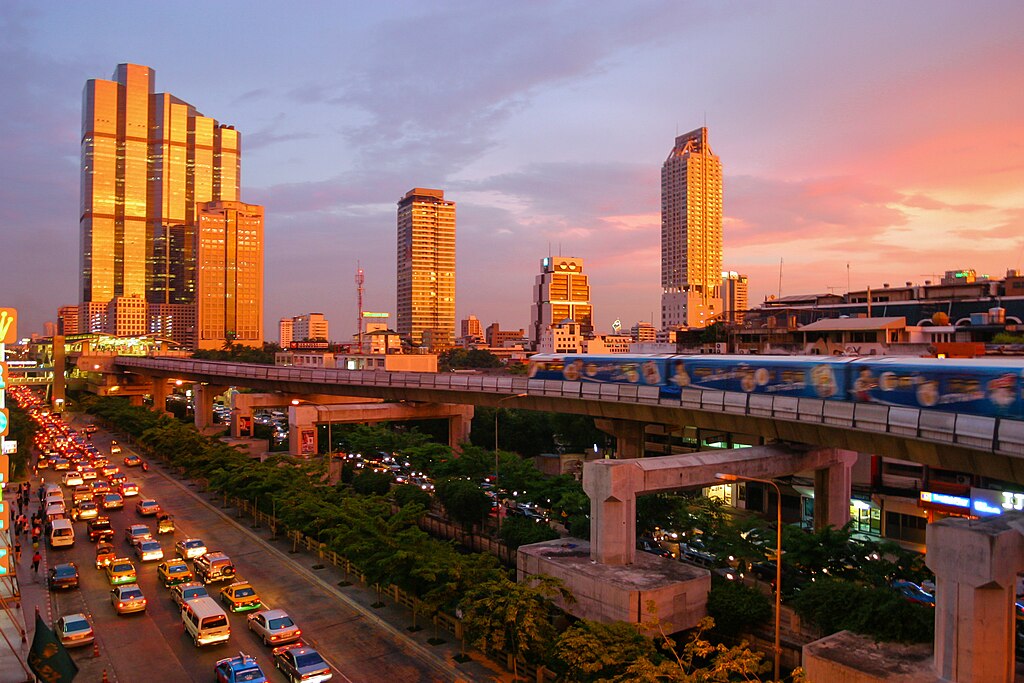
Thailand recorded a decline in foreign tourist arrivals from January 1 to September 7, 2024, with numbers falling 7.11% compared to the same period last year, according to the Tourism Ministry. The country welcomed 22.39 million international visitors during this period, highlighting ongoing challenges for its key economic sector.
China remained Thailand’s largest source of visitors, contributing 3.16 million arrivals, reinforcing the importance of Chinese tourism for the country’s travel industry. Other major markets include neighboring ASEAN nations, Europe, and the United States, though recovery in some regions has been slower than expected.
The weaker inflow prompted Thailand’s state planning agency to cut its annual forecast for international arrivals. In August, the agency revised its projection down to 33 million from the earlier estimate of 37 million. This revision underscores concerns about slower global travel demand, regional competition, and external economic pressures affecting tourism spending.
Thailand had set an ambitious target of recovering close to pre-pandemic levels, when nearly 40 million tourists visited in 2019. However, the latest figures indicate that the road to full recovery remains challenging. Factors such as currency fluctuations, higher travel costs, and regional geopolitical tensions are weighing on the tourism sector.
The government continues to roll out initiatives to attract more visitors, including easing visa requirements, expanding flight connectivity, and promoting high-value tourism experiences. Tourism remains one of Thailand’s most vital industries, contributing a significant share to GDP and supporting millions of jobs.
Despite the current setback, analysts expect visitor numbers to pick up in the final quarter, driven by the holiday season and increased arrivals from China and other Asian markets. Whether Thailand can hit its revised target of 33 million tourists in 2024 will depend on sustained policy support and global travel trends.













