


 Trump Endorses Japan’s Sanae Takaichi Ahead of Crucial Election Amid Market and China Tensions
  U.S. Lawmakers to Review Unredacted Jeffrey Epstein DOJ Files Starting Monday
  Trump Signs Executive Order Threatening 25% Tariffs on Countries Trading With Iran
  Pentagon Ends Military Education Programs With Harvard University
  Ohio Man Indicted for Alleged Threat Against Vice President JD Vance, Faces Additional Federal Charges
  Nighttime Shelling Causes Serious Damage in Russia’s Belgorod Region Near Ukraine Border
  Netanyahu to Meet Trump in Washington as Iran Nuclear Talks Intensify
  India–U.S. Interim Trade Pact Cuts Auto Tariffs but Leaves Tesla Out
  U.S. to Begin Paying UN Dues as Financial Crisis Spurs Push for Reforms
  Japan Election 2026: Sanae Takaichi Poised for Landslide Win Despite Record Snowfall
  Trump Signs “America First Arms Transfer Strategy” to Prioritize U.S. Weapons Sales
  TrumpRx Website Launches to Offer Discounted Prescription Drugs for Cash-Paying Americans
  Norway Opens Corruption Probe Into Former PM and Nobel Committee Chair Thorbjoern Jagland Over Epstein Links
  New York Legalizes Medical Aid in Dying for Terminally Ill Patients
  Trump Backs Nexstar–Tegna Merger Amid Shifting U.S. Media Landscape
  U.S.-India Trade Framework Signals Major Shift in Tariffs, Energy, and Supply Chains
  Federal Judge Restores Funding for Gateway Rail Tunnel Project


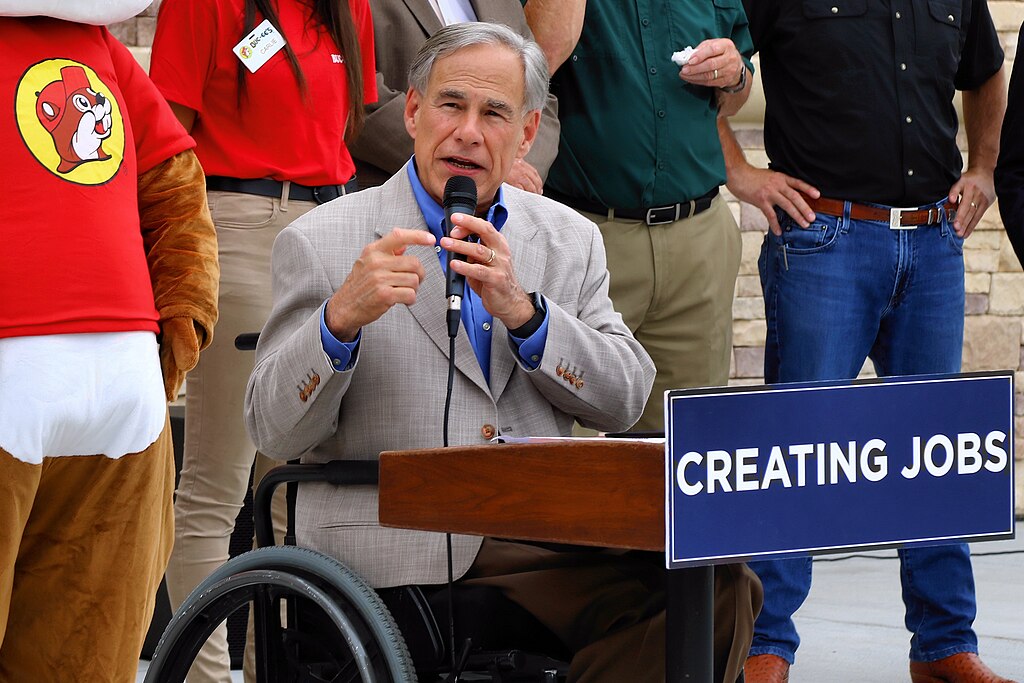
Texas Governor Greg Abbott is set to sign a landmark education bill on Saturday, making over 5 million students eligible for private school vouchers. The $1 billion program, launching in the 2026-27 school year, positions Texas as the 16th Republican-led state to adopt universal school choice policies. The law allows most students to receive up to $10,000 annually in state funds for private education, with caps on aid for wealthier households.
Advocates hail the move as a win for parental rights, while critics warn it could drain resources from Texas’ already underfunded public schools, which rank 47th in per-pupil spending nationwide. Opponents also argue vouchers disproportionately benefit higher-income families, as many private schools cost more than the maximum voucher amount.
The law includes oversight measures like annual audits and standardized testing for participating schools. Trump-backed and aligned with the Heritage Foundation’s Project 2025 blueprint, the bill signals a major shift in education policy, further accelerated by Trump’s executive orders promoting school choice and seeking to dismantle the federal Department of Education.
Despite concerns, Abbott has balanced the policy with a separate $7.7 billion public school funding bill now awaiting Senate approval. However, education advocates say even that falls short, noting public schools would need nearly $20 billion more just to match inflation since 2019.
The push for school vouchers in Texas dates back decades but only gained traction after Abbott successfully targeted anti-voucher Republicans in the 2024 primaries. Supporters now see this as a tipping point in reshaping American education, with conservatives aiming to reduce federal influence and promote educational options aligned with family values.
With Texas hosting the second-largest public school system in the U.S., the impact of this reform could reshape national education debates.













