


 Nvidia Pauses AI Cloud Financing Deals Amid Antitrust Concerns
  SoftBank Plans Record $6.3 Billion Bond Sale to Fund OpenAI Investments
  Trump Buys SpaceX Shares After Record IPO
  OpenAI AI Agent Swarm Behind Hugging Face Hack
  SK Hynix Shares Fall as Workers Reject Wage Deal
  New Zealand Moves to Ban Social Media for Children Under 16
  PayPal Shares Sink as $50 Billion Takeover Bid Collapses
  Samsung Shares Tumble 8% as $79 Billion Return Plan Disappoints
  Meta, U.S. States Discuss Settlement in Teen Addiction Trial
  Faraday Future Delivers First Robots in Middle East, Plans September Launches
  Nvidia Revenue Soars 106% as AI Demand Hits ‘Inflection Point’
  U.S. Probes Apex Logistics Over Nvidia AI Chip Shipments to China
  Google Changes EU Spam Policy Amid Antitrust Scrutiny
  BofA Names ASML Top Semiconductor Equipment Pick on Growth, Valuation
  SoftBank Eyes $20 Billion Bond Sale to Refinance OpenAI Loan


 Add as a preferred source on Google
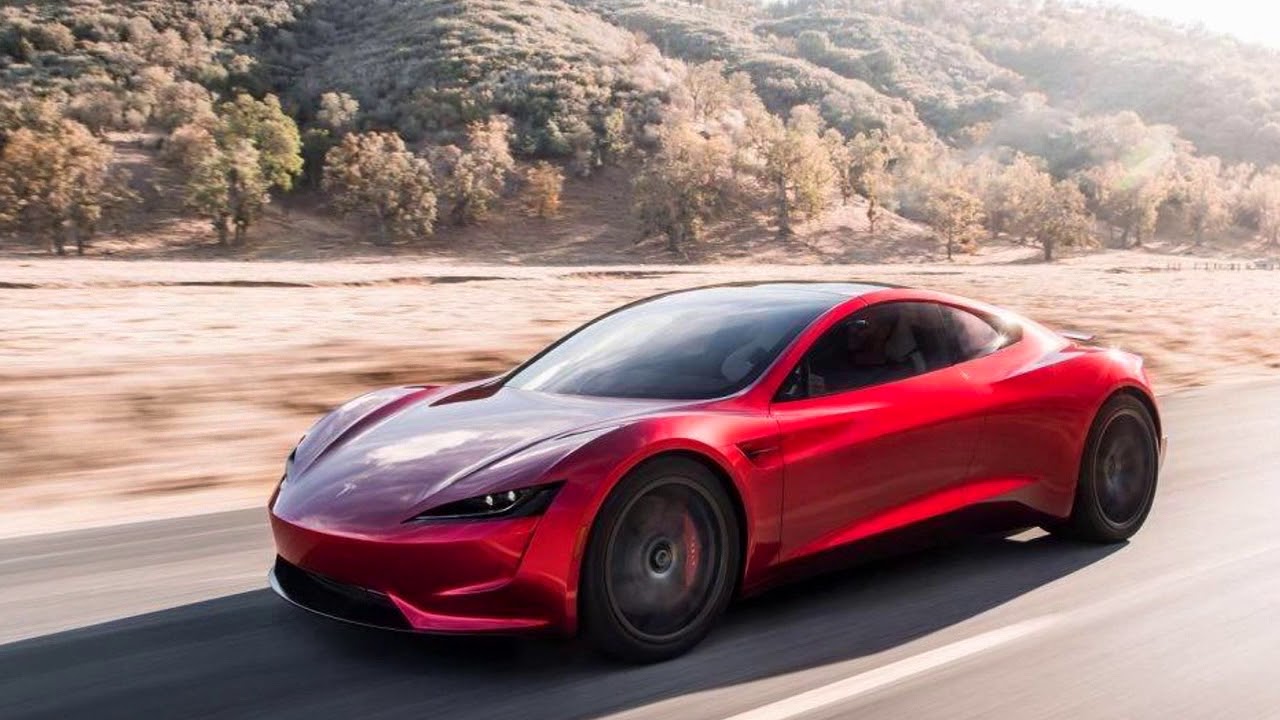
Last week, Elon Musk got on stage to showcase his new electric semi and the new version of the company’s Roadster. The CEO rattled specs that elicited screams of excitement from the audience, including acceleration of 0-60Mph in 1.9 seconds, top speeds of 250Mph, and the range of 600 miles in a single charge. This weekend, Musk also hinted that Tesla’s supercar might also be capable of flying.
During the event, Musk pronounced the Roadster 2.0 as the fastest production vehicle in the market, period. Of course, this could change between now and the expected production date for the car, which is in 2020. As Engadget points out, however, the 0-60Mph in 1.9 seconds applies to the base model. There will also be a “special options package,” which could lead to even better performance.
Now, there was some footage shown during the event that lends credence to the Roadster 2.0’s performance numbers. Its ridiculous speed and acceleration are apparently due to the 200kWh battery crammed inside it, which is about twice what’s inside the company’s current fastest production car, the Model S P100D.
It’s safe to say that other car makers are not going to take the Tesla CEO’s words lying down either. Many of them are undoubtedly going to try to beat the Roadster 2.0’s promised speed before it comes out.
However, they might have a hard time doing so if Musk’s recent Tweets are to be believed. It would seem that Tesla is also considering applying rocket technology for the special upgrade options on the car, which could enable it to fly in short bursts. Since he is also the CEO of SpaceX, a literal rocket company, this is not exactly a dismissible comment.
Not saying the next gen Roadster special upgrade package *will* definitely enable it to fly short hops, but maybe …
— Elon Musk (@elonmusk) November 19, 2017
Certainly possible. Just a question of safety. Rocket tech applied to a car opens up revolutionary possibilities.
“Not saying the next gen Roadster special upgrade package *will* definitely enable it to fly short hops, but maybe,” the Tweet reads. “Certainly possible. Just a question of safety. Rocket tech applied to a car opens up revolutionary possibilities.”







