


 Nvidia Confirms Major OpenAI Investment Amid AI Funding Race
  Rewardy Wallet and 1inch Collaborate to Simplify Multi-Chain DeFi Swaps with Native Token Gas Payments
  Elon Musk’s Empire: SpaceX, Tesla, and xAI Merger Talks Spark Investor Debate
  Panama Supreme Court Voids CK Hutchison Port Concessions, Raising Geopolitical and Trade Concerns
  Google Halts UK YouTube TV Measurement Service After Legal Action
  Boeing Secures New Labor Contract With Former Spirit AeroSystems Employees
  Advantest Shares Hit Record High on Strong AI-Driven Earnings and Nvidia Demand
  Meta Stock Surges After Q4 2025 Earnings Beat and Strong Q1 2026 Revenue Outlook Despite Higher Capex
  Apple Faces Margin Pressure as Memory Chip Prices Surge Amid AI Boom
  American Airlines Plans Return to Venezuela Flights After U.S. Lifts Ban
  C3.ai in Merger Talks With Automation Anywhere as AI Software Industry Sees Consolidation
  Amazon Stock Dips as Reports Link Company to Potential $50B OpenAI Investment
  Elon Musk’s SpaceX Explores Merger Options With Tesla or xAI, Reports Say
  Using the Economic Calendar to Reduce Surprise Driven Losses in Forex
  Microsoft AI Spending Surge Sparks Investor Jitters Despite Solid Azure Growth
  Chinalco and Rio Tinto Acquire Controlling Stake in Brazil’s CBA for $903 Million
  US Judge Rejects $2.36B Penalty Bid Against Google in Privacy Data Case


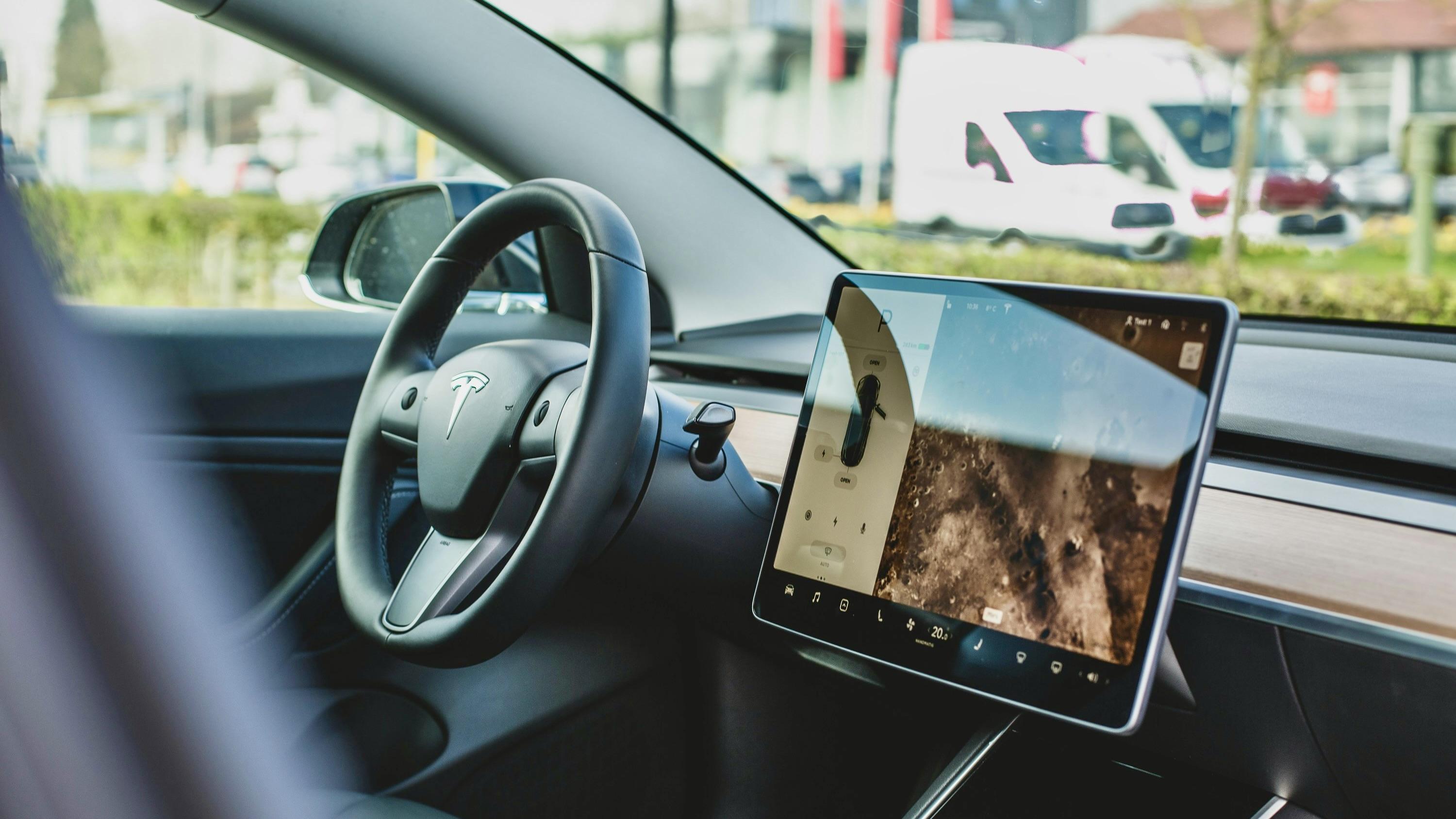
Tesla employees allege Elon Musk optimized routes for VIPs and influencers, creating biased FSD performance. "It felt dishonest," they said.
Insiders at Tesla believe that the CEO, Elon Musk, optimized the routes that he drives and the routes that Tesla FSD content writers take, which would explain why the system's efficacity is inconsistent.
Optimized for Elon Musk
The self-driving initiative at Tesla, particularly its Full Self-Driving (FSD) Beta (now "supervised") system, has been receiving high praise from Elon Musk for quite some time. He frequently urges folks to give it a go or at least see the amazing demonstrations of it online.
While Electrek has long suspected that Tesla mostly used West Coast highways for training its self-driving neural nets—the reason for the somewhat better performance—a new study asserts that this is far from the case.
Today, Business Insider published a fresh allegation. The report is based on interviews with current and former Tesla employees who assert that Tesla has been fine-tuning its self-driving neural networks to follow the routes followed by CEO Elon Musk and Tesla influencers who provide FSD content.
VIP Routes for Influencers
Data annotators, who examine footage from Tesla vehicles to train the company's autonomous neural networks, allegedly were assigned the responsibility of concentrating on two groups: "Tesla CEO Elon Musk and a select set of "VIP" drivers."
Several annotators who spoke with BI verified that they were given the assignment to explicitly work on route surrounding locations of Tesla, SpaceX, and Twitter, in addition to a home that had been owned by Musk in the past.
Tesla staff insisted that this would surely make Musk's experience with Tesla FSD greater than that of the typical Tesla driver.
Commented a former employee of Tesla: "It seemed like we were purposely making his car better to make Autopilot look different than it was. It felt dishonest."
According to the research, Tesla also paid close attention to the paths that Tesla FSD influencers took. It was previously known that Tesla uses the same pathways that prominent content makers use when posting FSD Beta films to transfer internal test vehicles.
Employee Concerns Over Bias
Data annotators supposedly also prioritized those, according to the report: "These videos do not go unnoticed by Tesla staff. These drivers are internally referred to as "VIP" users and their data is at times put in VIP queues, according to the workers."
Some workers have hypothesized that this is because such content creators are testing the system's limitations; as a result, it would be prudent to train the system's neural nets to handle such scenarios; yet, this would also give those creators an advantage over the typical Tesla FSD Beta driver.













